Start with the nameplate, not the equipment’s appearance
A metal-clad lineup, compact switch assembly, or outdoor switching unit may contain vacuum interrupters without being a vacuum circuit breaker. Begin with existing nameplate information and equipment paperwork: record the manufacturer, complete model or catalog number, serial number if legible, and any stated device description. A catalog number can be more useful than a broad label such as “vacuum switch,” but it should be transcribed exactly rather than interpreted from memory.
Keep voltage and current information separate. Voltage class or rated maximum voltage describes the equipment’s insulation and application class; ampere ratings describe current capacity or continuous duty. One does not establish the other. A hypothetical tag might show a voltage class and a continuous-current rating in separate fields. Preserve both exactly as marked, and do not treat a seller’s listing title as verification when the original documentation is unavailable.
Use model records to distinguish a load-break switch from a breaker
A vacuum load-break switch is intended to make and interrupt specified load current within its rated conditions. A vacuum circuit breaker is designed for circuit protection and interruption duties that can include fault current, with associated ratings and protective-system application. Since both may use vacuum interrupters and similar-looking housings, the interrupter technology alone does not identify the device’s function. Look for the manufacturer’s original designation, device type, and applicable technical literature.
If records call the unit a breaker while a seller remembers it as a load-break switch, report the discrepancy rather than choosing one description. For example, a hypothetical lineup schedule may list a “VLS” device while a maintenance sheet uses “breaker” informally. Include both references and their document dates. A buyer can then compare the model identifier with available records; no visual guess should substitute for confirmation.
Describe the operating mechanism without operating the equipment
Mechanism details can help distinguish configurations and identify what is included. From existing paperwork or safely accessible exterior information, note whether documents describe manual, motor-operated, stored-energy, or other operation; whether the mechanism is associated with a switch or grounding function; and whether controls, interlocks, or auxiliary components are listed. Record labels and visible external identifiers only. Do not open enclosures or operate handles to discover how the device works.
A hypothetical inventory might identify a motor-operated vacuum load-break switch with a separate grounding-switch mechanism, while another unit in the same lineup is described as manually operated. Those distinctions matter even when the exterior frames appear alike. If mechanism terminology is unclear, quote the label or drawing wording and share the document page, if available. Qualified professionals handle electrical work as appropriate; sellers should not test, measure, or approach energized apparatus.
Give a useful condition and configuration picture
Describe what is known, not what has not been verified. Useful context can include whether the equipment is intact or visibly incomplete, whether stored spares or control components are included, and whether the device is part of a larger switchgear section. Note known service history or a documented removal reason if available, but do not present unverified serviceability, interruption capability, or de-energized status as fact. Existing photographs may help when taken from a safe, accessible position.
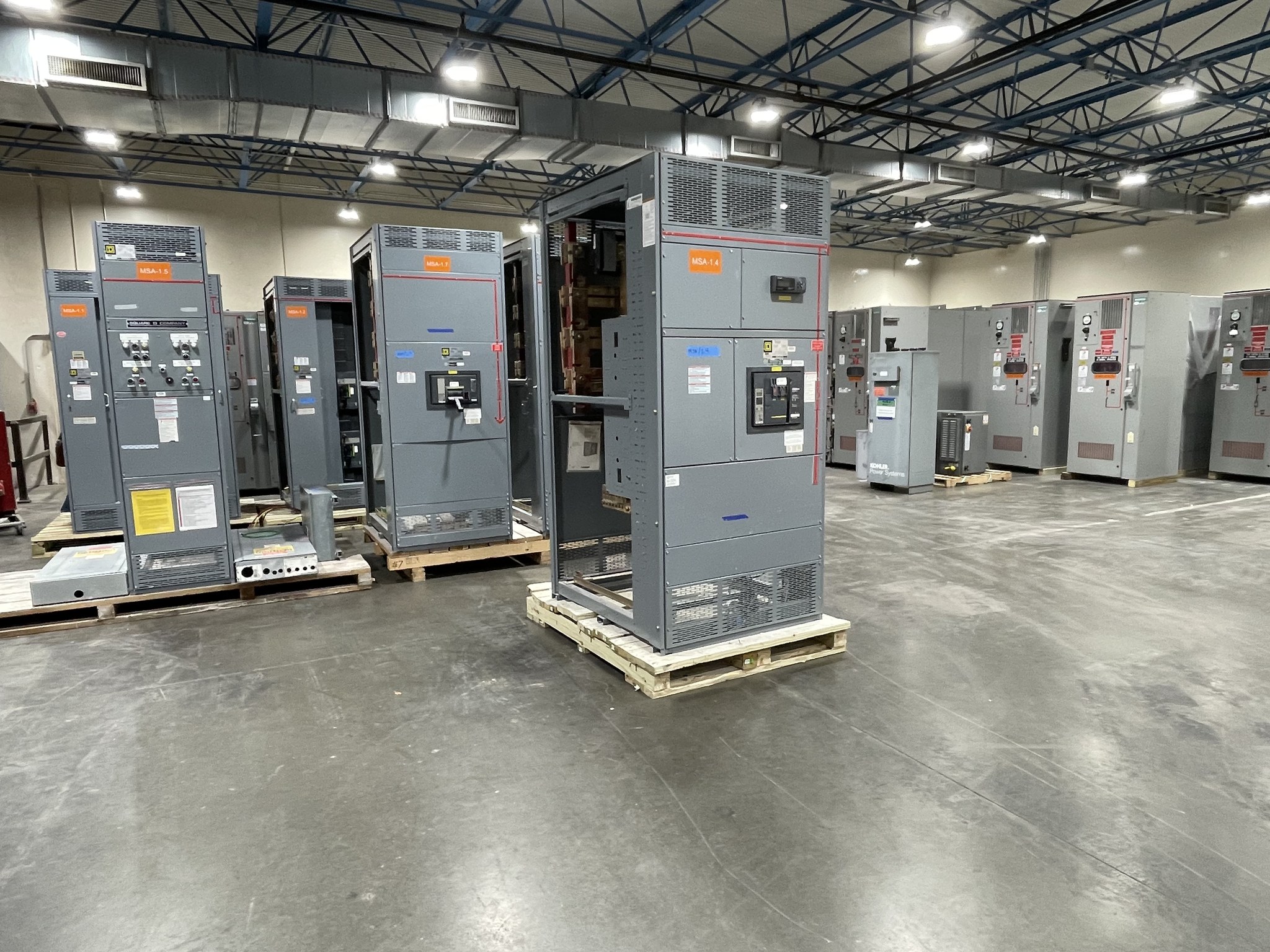
Configuration affects the scope of a review: a standalone switch, a withdrawable device, and a switch installed in a lineup are not interchangeable descriptions. Identify the count, any associated cubicles or bus connections listed in records, and what the proposed sale includes. If an item is part of a decommissioned data center or shut-down power plant, mention the project context and anticipated removal window without implying that equipment has already been disconnected.
Coordinate review and removal before the site schedule closes
An Illinois buyer of used, surplus, and decommissioned electrical equipment can review vacuum load-break switches across voltage classes. To begin, provide the model and rating information, quantities, configuration, condition notes, available records, and site location. Identify ownership or authorization to sell and explain any access rules, loading constraints, project milestones, or coordination contacts. These details help frame a specific offer; they do not guarantee that every unit or configuration will be accepted.
The company offers cash, with payment upfront rather than after pickup; sellers are not required to test the equipment, and freight is covered. For a transaction that proceeds, it handles the relevant disconnects, crane and rigging, loading, freight, and hauling, coordinating qualified professionals for electrical work as appropriate. The seller does not need to dismantle, rig, or move the equipment. Confirm the agreed scope and site arrangements before scheduling; removal status and access are reviewed, not assumed.
Common questions
What information most reliably separates a vacuum load-break switch from a vacuum circuit breaker?
Use the exact model designation and manufacturer documentation, including the stated device type and ratings. Vacuum interrupters alone do not distinguish switching duty from breaker protection duty; report conflicting labels for review.
Can I identify the mechanism by trying the switch handle or controls?
No. Do not operate controls, open enclosures, or approach energized equipment. Use existing paperwork and safely accessible exterior labels; share uncertain wording so the buyer can review it without requiring seller testing.
Does a switch installed in a lineup need to be removed before I request an offer?
No. Describe whether it remains installed, the surrounding configuration, site access limits, and project schedule. If a transaction proceeds, removal and logistics can be coordinated; the seller is not expected to dismantle or rig it.