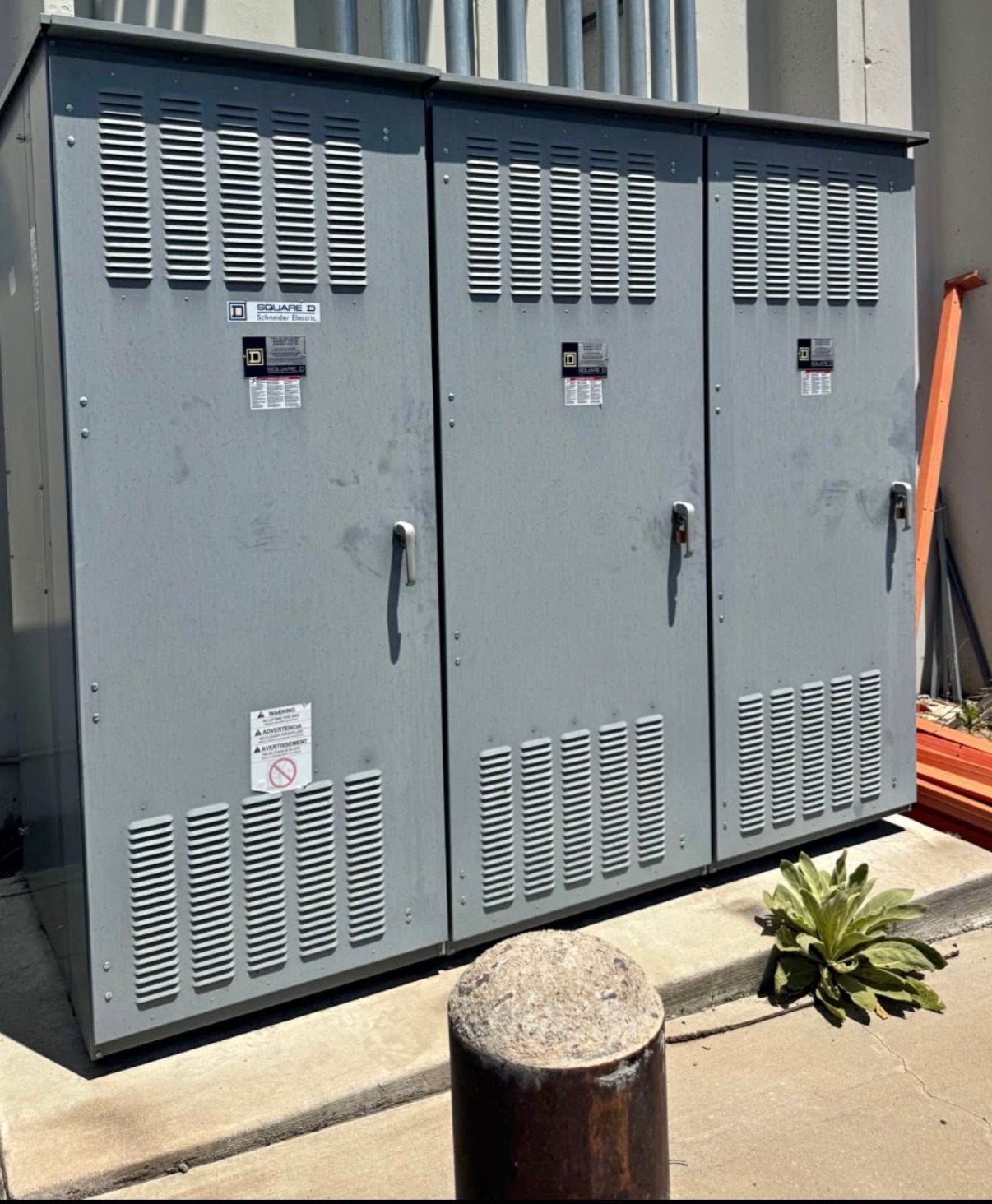
Identify fused interrupter gear without confusing it with metal-clad breaker gear
Metal-enclosed fused interrupter switchgear typically uses interrupter switches with fuses to provide switching and overcurrent protection. Metal-clad switchgear is a different construction category commonly arranged around removable circuit breakers and separate compartments. The distinction affects what a buyer is reviewing: a lineup described as “breaker gear” may not have breakers, while fused equipment may be mislabeled in a project list. Treat the construction and operating device as questions to document, not assumptions.
Use existing drawings, equipment schedules, maintenance records, or exterior labels to establish the equipment type. Note whether the lineup appears to contain fused switch units, main or tie sections, incoming or outgoing ways, or other sections identified in records. Do not open an enclosure to check internals or operate a switch. If the available documentation is incomplete, say so; a buyer can review the known details and identify what remains uncertain before discussing an offer.
Record the switch arrangement and fuse information as separate details
Describe the lineup in terms of its apparent arrangement: number of sections or ways, any documented main and feeder positions, and whether sections are connected as one lineup or presented as separate equipment. Include labels or drawing references that identify each position. A hypothetical inventory might say, “three-section lineup; one main and two feeder switches per the old one-line; configuration not field-verified.” That is more useful than calling the entire assembly simply a fused switch.
For each documented fused position, record fuse manufacturer, type or catalog designation, ampere rating, voltage rating, and quantity if shown in records or safely accessible exterior information. Keep fuse data distinct from the switch’s rating and from the lineup’s system voltage. Do not infer one value from another or treat a page title as proof. If a fuse is absent, undocumented, or its label cannot be read without opening equipment, report that plainly rather than attempting an inspection.
Use exterior nameplates and paperwork without creating a testing task
Gather existing photographs of accessible nameplates and exterior identification labels, along with available drawings, bills of material, prior inventory sheets, or maintenance documentation. Useful identifiers may include manufacturer, model or type, serial number, manufacture date, voltage class, ampere rating, interrupting or short-circuit information when stated, and applicable standards. Record which details come from a label and which come from paperwork; a seller’s description or online listing title is not a verified rating.
Do not ask staff to open doors, remove covers, touch conductors, measure, test, or approach apparatus that may be energized. A clear exterior photograph taken from a safe, permitted location can help, but missing data is not a reason to improvise. Tell the buyer when records conflict or when a label is unreadable. The company does not require seller testing, and qualified professionals handle electrical work when appropriate; identification should rely on existing information and safe access.
Describe condition, completeness, ownership, and how the lineup is presented
For a useful condition summary, report what is already known: whether the equipment is installed, stored, or part of a decommissioning project; whether visible cabinets appear complete; and whether there are known missing sections, documented damage, or separately inventoried fuses and accessories. Avoid presenting an unverified condition as a technical finding. For example, “stored indoors; two fuse sets listed in the records; no recent functional test information available” communicates facts and limits without suggesting that anyone should test the gear.
Clarify whether the equipment is offered as a complete lineup, selected sections, or a group of related components, and identify what is included or excluded according to records. Confirm that the seller has authority to offer the equipment and flag any ownership, site, or removal constraints early. A buyer reviews the described configuration and details before making a specific offer; not every item or condition can be presumed acceptable. Manufacturer names help identify equipment, but do not imply a manufacturer relationship.
Coordinate Illinois project access, removal, and payment before pickup
For equipment at a retiring facility, data center, or shut-down power plant, share the site’s known access rules, schedule constraints, loading conditions, and any required coordination with the property owner or project team. State what is known about the equipment’s location and whether crane access or rigging coordination may be needed. The Illinois buyer handles disconnects, crane and rigging arrangements, loading, freight, and hauling as applicable, so the seller is not expected to dismantle, rig, or transport the switchgear.
Send the available inventory and documentation through the buyer’s communication process, then resolve questions about arrangement, fuse data, condition, and site logistics before relying on an offer. The company’s buying terms include a cash offer, payment upfront, no seller testing requirement, and covered freight; the details of a particular offer and removal plan remain subject to review. Payment is upfront, not deferred until pickup. Qualified professionals perform electrical work as appropriate, and the seller’s role is to provide information and coordinate access—not perform the removal.
Common questions
What if the exterior nameplate identifies the lineup but not the fuse type or rating?
Send the readable nameplate details and available drawings or records, then mark fuse information as unknown. Do not open the enclosure or infer fuse ratings from switch ratings; the buyer can review the documented gaps.
How should I describe a lineup whose old schedule calls it metal-clad?
Report the schedule wording as an unverified description and provide any existing model or exterior label information. Note whether records show fused interrupter switches or breakers, but do not open equipment to settle the distinction.
Do we need to remove the fused switchgear before requesting an offer?
No. Share the known configuration, site information, and safe exterior identification details. The buyer coordinates applicable disconnects, rigging, loading, freight, and hauling; removal arrangements and a specific offer are subject to review.