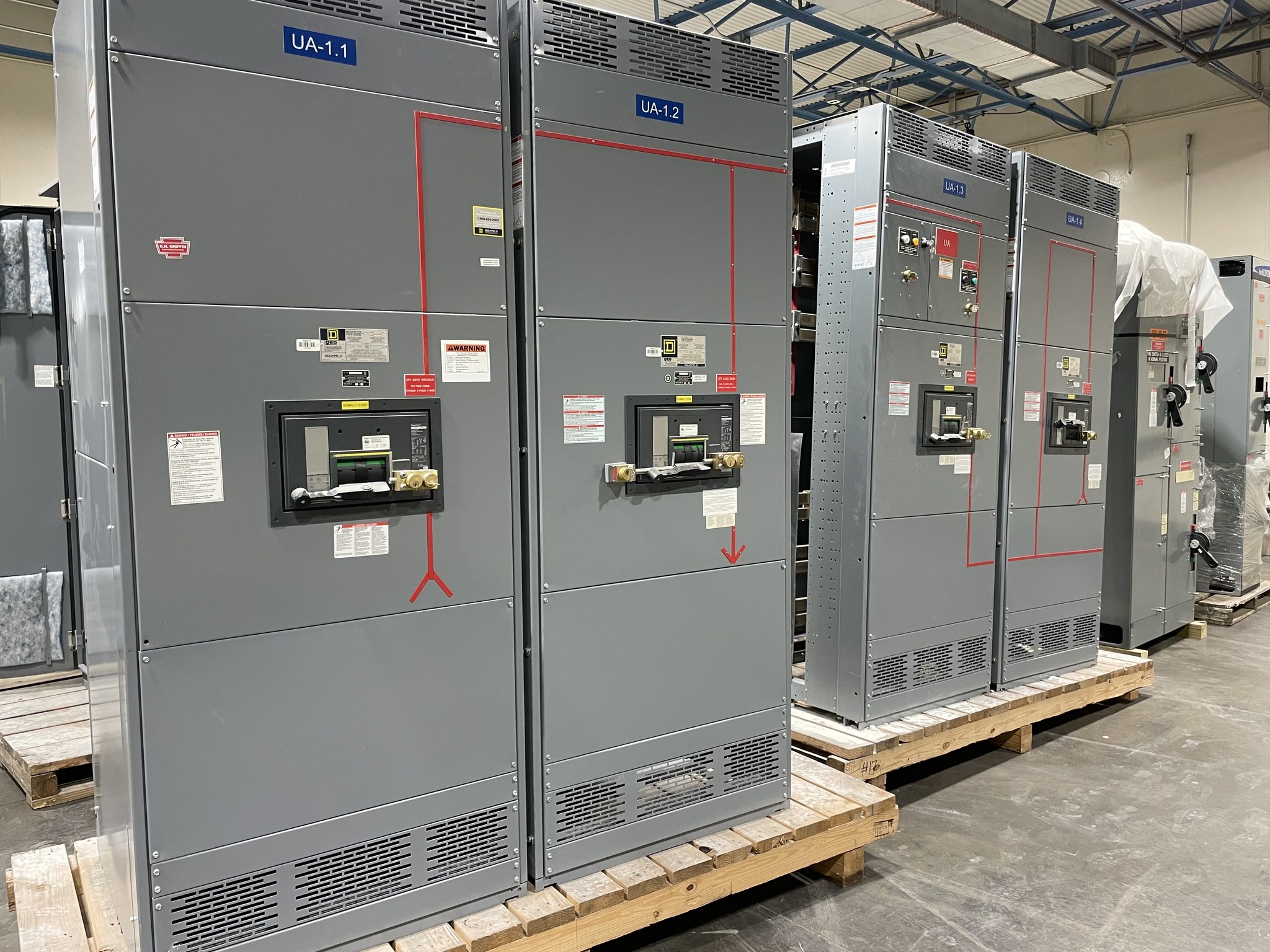
Identify the lineup as a complete assembly
Start with the lineup’s existing records and safely accessible exterior identification. Note manufacturer, model or series, section labels, nameplate information, approximate age if documented, and the number and apparent purpose of each section. Distinguish the complete lineup from individual breakers or spare parts; those may be included, but should be listed separately so the buyer can understand the package being offered.
Arc-resistant performance is associated with a particular tested configuration, not simply a product name or a general description of rugged construction. Look for documentation that identifies the applicable lineup arrangement and rating, and preserve it with the inventory. Do not infer that every section, later addition, or modified assembly carries the same documented rating as the original configuration. The buyer can review the material and ask follow-up questions.
Record plenums, vents, and configuration changes
Inventory any exhaust plenums, ducts, covers, or other attachments that are part of the lineup, including which sections they serve and whether they are present in the current arrangement. Existing drawings, bills of material, photographs taken from safe locations, and project records can help show how the pieces fit together. A hypothetical example: a lineup may include a roof-level exhaust plenum on one end; that detail is more informative than describing it only as “arc-resistant gear.”
List known alterations separately rather than treating them as inconsequential. Examples might include a replacement section, changed cable-entry arrangement, removed attachment, or retrofit recorded in maintenance documents. Record what is known and when the work is documented, but do not claim an alteration is field-certified or preserves an original rating unless supporting documentation establishes that. A buyer’s review of the available records is not a substitute for engineering evaluation or certification.
Use documents and exterior condition to explain what is offered
Useful records may include nameplate data, lineup and elevation drawings, equipment schedules, manuals, purchase or maintenance files, and documents describing the arc-resistant rating. Share copies that are already available; there is no need to create a new test report for a sale inquiry. If records conflict, flag the discrepancy instead of choosing one version. For example, a schedule might list a section that is absent from the current lineup, which should be made clear.
Describe visible condition in factual terms based on information already available: missing doors or covers, corrosion noted in an inspection record, known water exposure, stored spare breakers, or sections identified for removal. Do not open enclosures, operate equipment, touch conductors, test, measure, or approach energized apparatus to gather details. Qualified professionals handle electrical work as appropriate. Existing paperwork and safely accessible exterior information are the right starting points for a preliminary discussion.
Coordinate a decommissioned-site sale without taking on removal
For a lineup at a data center, power plant, or other decommissioned or closing facility, identify the site contact, ownership status, access rules, and any schedule constraints that are already known. Confirm that the seller has authority to offer the equipment and disclose whether the lineup remains installed, is staged, or is already separated into sections. This helps the buyer assess the scope without implying that electrical isolation or removal has already been completed.
The Illinois buyer purchases used, surplus, and decommissioned electrical equipment, including switchgear in all voltage classes. For an accepted transaction, it handles crane work, rigging, disconnects, loading, freight, and hauling; the seller is not expected to dismantle, rig, test, or move the lineup. Qualified professionals perform electrical work as appropriate. Site access and coordination still matter, so share known restrictions and arrange a practical review of the proposed scope.
Request a reviewed offer and make payment terms clear
Send the inventory, available rating documentation, attachment and alteration notes, exterior images if safely obtained, and site details through the buyer’s communication channel. The buyer reviews the specific equipment and information, then discusses whether it can make an offer and what the offer covers. A complete record can reduce avoidable uncertainty, but it does not guarantee acceptance or establish a price before review. Keep the listed sections and attachments aligned with what is actually included.
The company’s stated terms are cash offers, payment upfront, no seller testing required, and all freight covered. Clarify the offer’s scope and the agreed logistics before proceeding, particularly if drawings show components that are no longer present or if the lineup has been altered. The seller’s role is to provide accurate information and coordinate access—not to perform removal or transportation.
Common questions
Does an arc-resistant label mean every section in an altered lineup retains the documented rating?
Not necessarily. The rating relates to a defined configuration. Provide the supporting records and list known additions, removals, or changes; the buyer can review them without treating an alteration as field-certified.
Should we remove the exhaust plenum or separate sections before asking for an offer?
No. Inventory the plenum and sections as they currently exist and describe known constraints. The buyer handles disconnects, rigging, loading, and freight for an accepted transaction; coordinate access rather than dismantling gear.
What information is useful if the lineup is still installed at a closing facility?
Share existing identification and rating records, section count, known attachments or alterations, ownership authority, site access rules, and schedule constraints. Do not test or approach energized apparatus to gather details.