Describe the protection components as a configuration
Ground-fault protection can involve components located in different parts of a switchboard. In your description, say whether the sensor, protective relay, and related disconnect components appear to remain with the lineup, are separated, or are of uncertain status. If the equipment is divided among sections, identify which section contains each visible component. This inventory helps a buyer understand what is being offered without treating the arrangement as a performance claim.
For example, a hypothetical lineup might have a relay visible in one section while paperwork lists a sensor elsewhere. Record those observations separately rather than assuming the pieces are still connected or form a complete system. If you do not know whether a component belongs to this board, mark that uncertainty. Do not open an enclosure, trace wiring, or operate anything to answer the question; use existing records and safely accessible exterior information.
Separate documented ratings from a seller’s shorthand
Gather existing nameplate information and drawings where available, noting the manufacturer, model or catalog identifiers, section designations, and any documented voltage and ampere ratings. Voltage and amperage describe different characteristics; neither can be inferred from the other. A page title, handwritten description, or remembered facility label is useful context, but it is not confirmation of a rating. Share the source of each detail when you can.
Ground-fault settings or trip values may appear in older records, but their presence does not establish current condition or protection performance. Pass along documents as historical information, not as a test result. A hypothetical seller might find a relay model on a drawing but have no records showing later changes. That distinction lets the buyer review the board accurately while avoiding unsupported claims about how it would operate today.
Make condition and completeness legible without testing
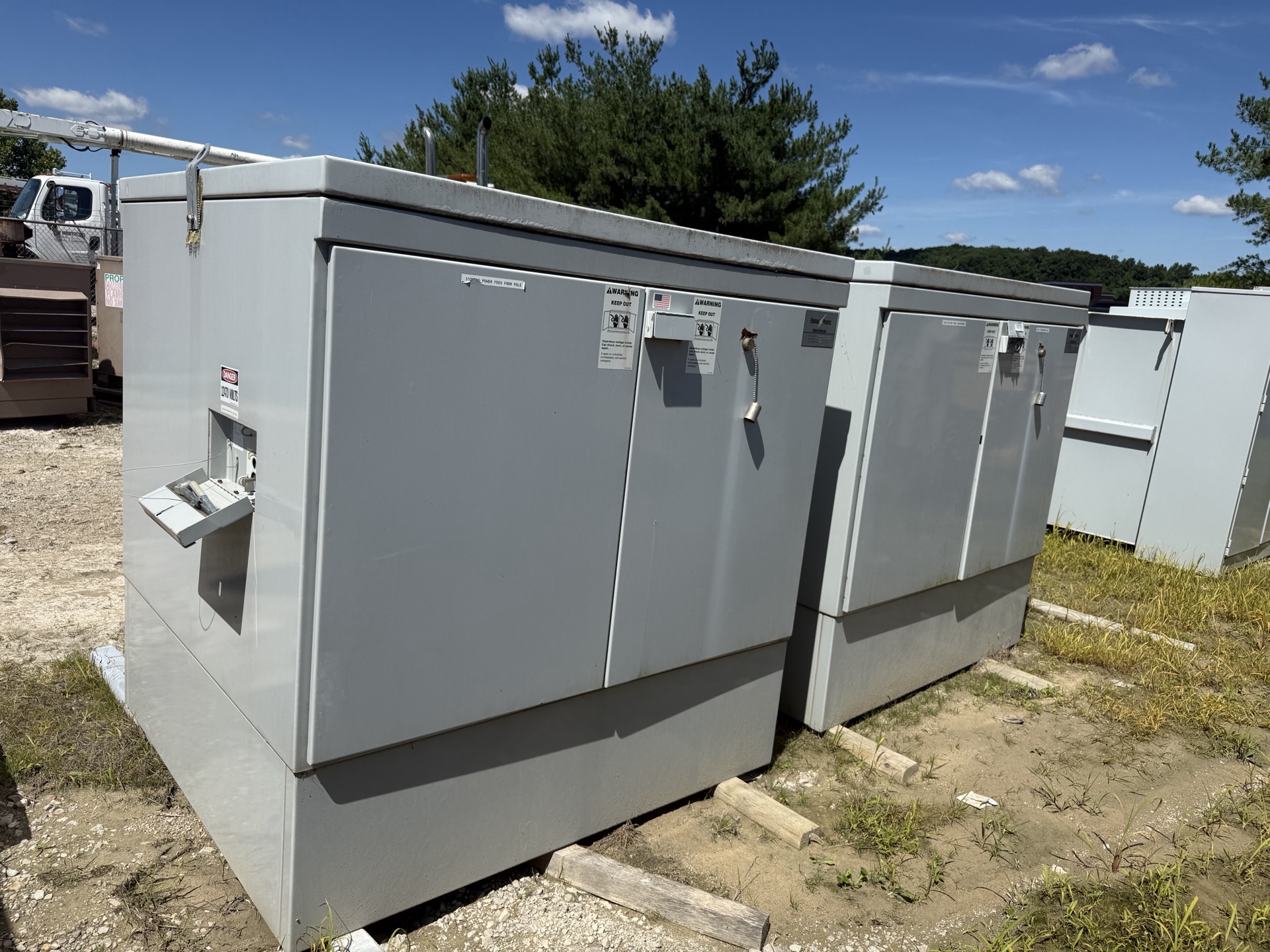
A practical condition description focuses on what you already know: whether the lineup is represented as complete, whether sections or loose components are included, and whether records identify prior modifications or missing parts. Note visible exterior damage or storage conditions only if they can be observed safely. If a sensor, relay, or disconnect component is absent, say so plainly instead of describing the protection package as complete.
No seller testing is required for an offer. Do not energize the switchboard, operate breakers, remove covers, touch conductors, or approach energized apparatus to gather information. A buyer may review the available description, photographs of safely accessible exterior areas, and existing paperwork, then ask clarifying questions. Any specific offer and the equipment details remain subject to review; describing uncertainty is more useful than trying to resolve it through unsafe inspection.
Coordinate a decommissioned lineup and its site access
For equipment at a decommissioned data center, shut-down power plant, or another closing facility, identify the site contact, access rules, loading constraints, and any known schedule or clearance requirements. Explain whether the board is one lineup, multiple sections, or accompanied by loose protection components. These details help coordinate a proposed removal; they do not mean you must dismantle, disconnect, rig, or move the equipment yourself.
If a hypothetical switchboard is in a restricted room with a narrow route to the loading area, mention that early and provide any existing access or handling information. The Illinois buyer handles crane and rigging coordination, disconnects, loading, freight, and hauling, with qualified professionals doing electrical work as appropriate. Site arrangements still need review, so share known constraints rather than assuming a particular removal plan or access condition.
Submit a reviewable package and understand the transaction
A useful first submission can combine the site location in Illinois, available equipment identification, existing drawings or schedules, a component-by-component note about the sensor, relay, and disconnect pieces, and safely obtained exterior photographs. Include ownership or authority-to-sell information and say whether accessories or separate components are included. The buyer can review that package, follow up about gaps, and discuss a specific offer; no particular item or configuration is accepted automatically.
The company buys used, surplus, and decommissioned electrical equipment across voltage classes, including switchboards and associated equipment. Its terms are cash offers, payment upfront, no seller testing required, and all freight covered. If the transaction proceeds, the buyer coordinates the removal and transportation work described above, leaving the seller to provide information, confirm arrangements, and get paid.
Common questions
Should I call the switchboard ground-fault protected if one component is missing?
Describe the components and what is missing, using existing records where available. Avoid asserting completeness or performance; the buyer can review the configuration and details before discussing a specific offer.
Do I need to test the relay or verify sensor operation before requesting an offer?
No seller testing is required. Do not operate or open the equipment to investigate. Share existing documentation and safely accessible exterior information, clearly noting anything you cannot confirm.
What should I report if the sensor and relay are stored separately from the board?
List each item separately, identify any known association from records, and state where it is located. Include whether the disconnect components are present, absent, or uncertain, without assuming a complete system.