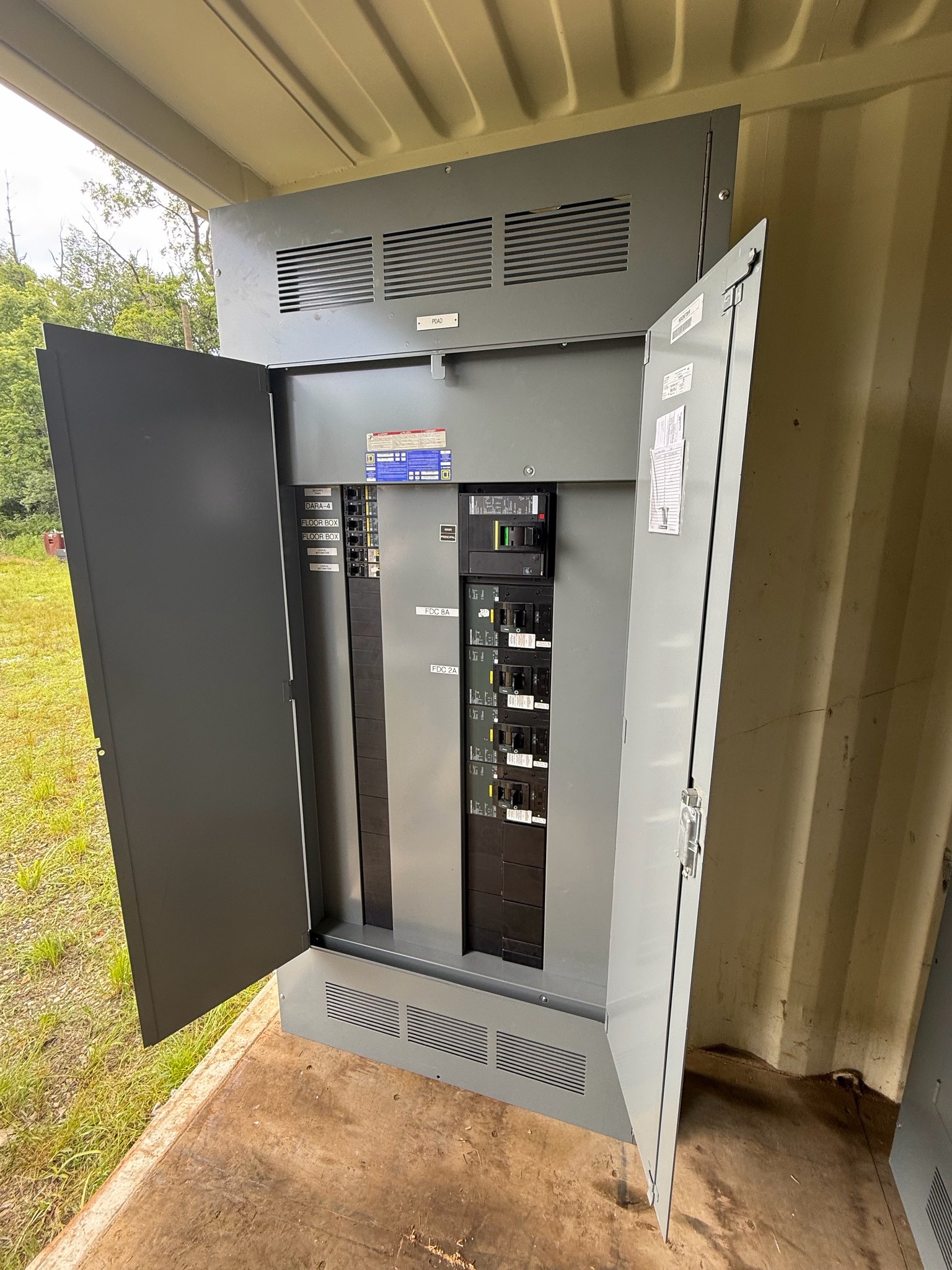
Why a network protector is a different kind of breaker
An ordinary distribution breaker is generally selected to interrupt and protect a circuit in a defined distribution arrangement. A secondary network protector serves a more specialized role: it connects a transformer secondary to a shared low-voltage network and, with its control scheme, helps govern connection and disconnection as system conditions change. The breaker is therefore part of a coordinated assembly, not just a current-interrupting device considered in isolation.
That distinction matters when describing surplus equipment. A breaker removed from a network protector lineup may have a particular frame, trip arrangement, operating mechanism, and control interface that are not interchangeable with a similarly rated distribution breaker. Even if two nameplates show comparable ampere ratings, that does not establish equivalent voltage ratings, application, or compatibility. Identify what documentation actually says rather than translating a familiar breaker description into a network-protector rating.
Record model and configuration, not just the nameplate headline
Useful identification starts with the manufacturer and complete model or catalog designation, plus any visible serial, frame, and accessory information. Note whether the item is a breaker alone, a breaker with its mechanism, or a broader protector assembly. Existing drawings, bills of material, maintenance records, and equipment schedules can help resolve abbreviated markings. Share photographs of safely accessible exterior labels and the equipment as found; do not open an enclosure to obtain more detail.
Keep ampere and voltage information separate in your notes. Record each value only when supported by a legible label or reliable facility paperwork, and note which component or assembly the document describes. For example, a hypothetical inventory might list a breaker’s ampere rating while a separate one-line diagram identifies the system voltage. Neither entry should be used to guess the other, and a page title or seller-entered description is not verified equipment data.
Protective controls can shape the evaluation
Network protector performance depends on control components as well as the breaker. Depending on the design, relevant items may include a relay or network protector control, sensing components, control wiring, auxiliary contacts, and operating or closing components. Record which pieces remain with the breaker, which are mounted elsewhere, and which were separated during removal. Model numbers for controls are particularly helpful because a breaker designation alone may not identify the protective scheme or the completeness of the offering.
Describe condition from records and visible observations without performing tests. Existing inspection reports, service history, known defects, missing parts, and the reason for decommissioning are more useful than an unsupported claim that the unit works. Do not operate the breaker, test it, touch conductors, or approach energized apparatus to gather information. If control components are absent or their status is unknown, say so plainly; an accurate limitation is better than implying a complete, verified assembly.
Clarify network ownership and what is actually being offered
A network protector may belong to a building owner, utility, campus, or another system operator, while the surrounding lineup or control equipment may have a different owner. Before discussing a sale, establish that the seller has authority to transfer the specific breaker and any accompanying components. If equipment remains under another party’s control, is leased, or is subject to a removal agreement, resolve that status through the appropriate owner rather than assuming the site operator can sell it.
A hypothetical project might remove several protectors from a retired building network but retain relays, spare mechanisms, or cabinet sections for another facility. An itemized list can distinguish sale equipment from retained assets and show whether each offering is a complete protector, a breaker with selected controls, or a parts lot. Include known quantities and any mismatches between field labels and records. The buyer reviews those details before making an offer; no description guarantees that every item will be accepted.
Coordinate removal and payment around the site plan
For an Illinois equipment purchase, provide the site location, anticipated access constraints, equipment location, approximate removal window, and the facility contact who can coordinate the work. Mention loading conditions, restricted hours, crane or rigging needs, and whether disconnects or other professional electrical work are part of the project. The buyer handles crane, rigging, disconnects, loading, freight, and hauling as applicable, coordinating with qualified professionals for electrical work. The seller is not expected to dismantle, rig, or move the equipment.
The communication process can begin with an equipment list, safely obtained exterior photographs, and available records; the buyer can then review the configuration and discuss a specific offer and logistics. Terms include cash offers, payment upfront, no seller testing required, and freight covered. Payment is made upfront, never after pickup. Site access and project details still need coordination, and the seller should not treat an initial description as confirmation of an offer, removal schedule, or acceptance.
Common questions
Can a network protector breaker be evaluated without its protective control?
It can be discussed as a partial or incomplete offering, but the control model and whether it is included affect identification. Share records and note missing components; do not imply the breaker and control form a verified set.
What if the breaker’s label gives amps but no clear voltage?
Report the legible ampere information and separately provide any voltage shown in reliable equipment records. Do not infer voltage from amperage, a nearby component, or a listing title; flag uncertainty for review.
Who handles removal and freight from an Illinois site?
The buyer coordinates applicable disconnects, crane and rigging, loading, freight, and hauling with qualified professionals. Share access and project constraints early. Payment is upfront, not deferred until pickup, and no seller testing is required.