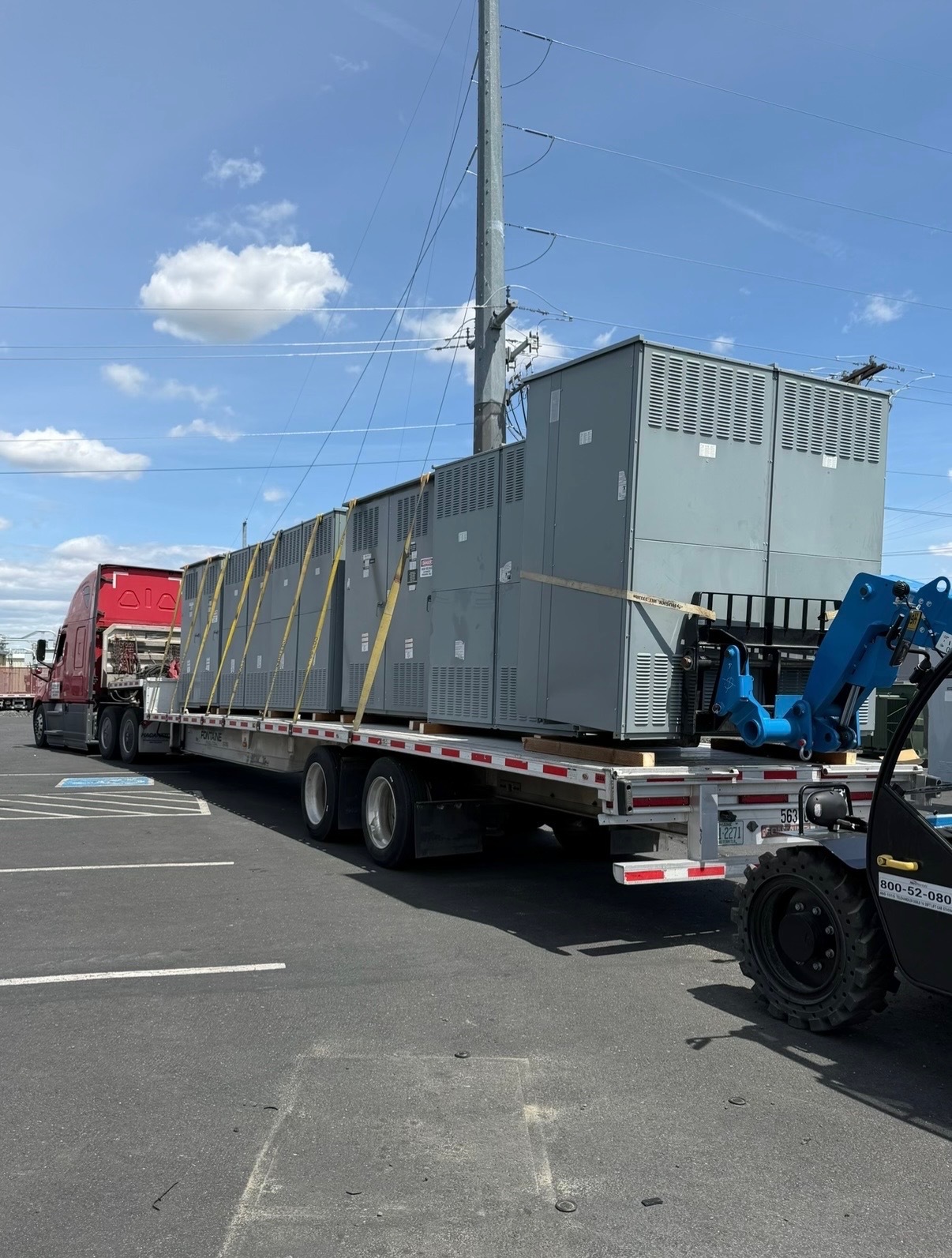
Map the lineup from both faces
Start with a simple lineup map rather than a single overall photograph. Identify the two faces consistently—for example, “Face A, north side” and “Face B, south side”—and note the order of sections from left to right as seen from each side. Record section labels if present. If the labels are absent or ambiguous, use temporary identifiers in your notes rather than guessing what a manufacturer’s designation means.
Photograph the full length of each face from a safely accessible position, then capture exterior views that help distinguish individual sections and bucket locations. Do not open enclosures or operate equipment to obtain images. A hypothetical lineup might have three sections on Face A and two on Face B, with a blank section at one end; a map makes that configuration clearer than describing it simply as a five-section MCC.
Inventory starter buckets and visible gaps
List starter buckets by face and section, using existing labels or other safely visible identifiers where available. Note the apparent bucket position, any legible nameplate information, and whether a position appears occupied, blank, or covered by a door or plate. If a bucket is missing, say which face and section it belongs to when known. Avoid treating an empty position as proof of a particular starter type or rating.
Keep observations separate from assumptions. A visible label may identify a manufacturer or model family without establishing the equipment’s electrical rating or completeness. Ampere rating and voltage rating are different values; neither should be inferred from the other. If the label’s meaning or context is uncertain, report the text as seen and let the buyer review it alongside available documentation.
Measure section dimensions and explain the arrangement
Record approximate height, width, and depth for each section when those dimensions can be obtained without entering a hazardous area or interfering with equipment. State the units and whether a measurement applies to one section, the full lineup, or an estimated overall footprint. For a back-to-back assembly, distinguish the depth of one side from the total depth across both faces; that distinction can matter for removal and transport planning.
Include practical configuration notes: how many sections are visibly joined, whether end sections differ, and whether a common base, roof, or other component appears to span the lineup. Do not remove covers or components to check how sections connect. If exact dimensions are unavailable, give clearly labeled estimates and say how they were obtained, such as existing facility records rather than a new field measurement.
Attach available drawings and flag missing components
Useful records may include interconnection drawings, lineup elevations, wiring diagrams, equipment schedules, prior project documentation, and photographs already held by the facility. An interconnection drawing can help clarify how the two faces and sections relate, but its title alone does not verify the equipment’s present configuration. Identify the drawing date or revision if shown, and mention whether it depicts the installed lineup or an earlier design.
Make a short exceptions list instead of implying the MCC is complete. Note missing buckets, blanking plates, absent doors, removed control components, incomplete documentation, or sections believed to have been separated—only where that information is known. A hypothetical description might say, “Face B, section 2: starter bucket reported removed; drawing revision not confirmed.” Clear uncertainty helps the buyer assess what needs review without turning a visual note into a technical conclusion.
Coordinate review, payment, and removal in Illinois
The company buys used, surplus, and decommissioned electrical equipment in Illinois, including motor control centers and other electrical equipment across voltage classes. You can send the lineup map, exterior photos, dimensions, available drawings, and notes about missing components for review. Any offer and its scope depend on the specific equipment and details provided; sharing a description is not a guarantee that every item will be accepted.
For an agreed purchase, the terms are cash offers with payment upfront, no seller testing required, and freight covered. Payment is made upfront, not after pickup. The company handles crane work, rigging, disconnects, loading, freight, and hauling, so the seller is not expected to dismantle, move, or test the lineup. Qualified professionals perform electrical work as appropriate. Site access, equipment arrangement, and removal coordination can be discussed during review; do not approach energized apparatus or undertake electrical work to prepare for a sale.
Common questions
How should I identify the two faces if the original lineup labels are unclear?
Choose simple, consistent names such as Face A and Face B, describe the viewpoint or side, and map sections left to right from that viewpoint. Mark uncertain labels as unverified rather than assigning functions.
Should I report empty bucket spaces as missing starters?
Describe what is visibly absent and where, but avoid concluding what component belongs there unless records confirm it. Note whether the space is blank, covered, or reported to have had a bucket removed.
Do I need to disconnect or dismantle the back-to-back MCC before review?
No. The seller is not expected to dismantle, disconnect, rig, load, test, or move equipment. Removal and related handling are coordinated by the buyer, with qualified professionals doing electrical work as appropriate.