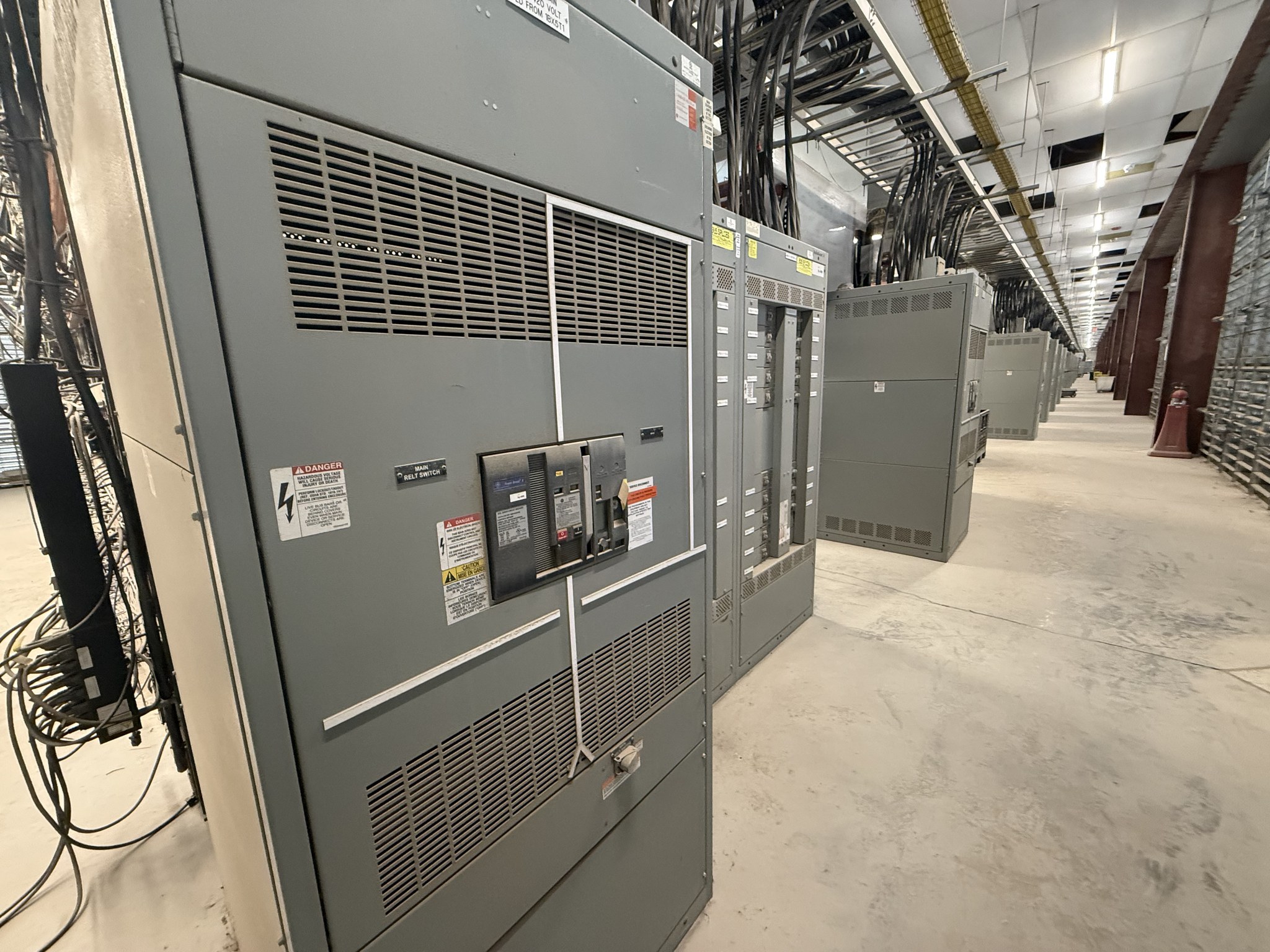
Describe the lineup as a system
Start with the lineup’s purpose and boundaries. Note how many sections appear to belong together, whether the gear serves multiple generators, and whether a tie or utility connection is shown in existing records. Include visible manufacturer and model information when safely accessible. A hypothetical lineup might have several generator sections and a common bus section; identifying that arrangement is more useful than calling the entire assembly merely “generator switchgear.”
Keep confirmed details separate from assumptions. A panel schedule, drawing, or old equipment list may describe an earlier configuration, while the installed lineup could have changed. If a section’s role is unclear, label it as unknown rather than assigning a function. The buyer can review the description and available records, then ask focused questions about what is included and whether the proposed package can be evaluated.
Inventory generator breakers and ratings carefully
For each generator breaker, record the identifying information available from existing paperwork or safely accessible exterior labels: manufacturer, model or catalog number, frame information, and any documented ampere and voltage ratings. Keep the two ratings distinct. An ampere rating describes current capacity; a voltage rating describes the electrical system level. Neither should be inferred from the other or from the breaker’s apparent size.
Record quantity and location by section if that can be done from existing drawings or safe, ordinary access. Do not open an enclosure, operate a breaker, touch conductors, or take measurements to complete an inventory. If documentation conflicts with a label, report the discrepancy rather than choosing one value. The buyer’s review of the information is not a substitute for a qualified electrical assessment.
Include synchronization controls and drawings
Synchronization equipment can help explain how the lineup was intended to coordinate generators, but control components vary by design. Note the names or model numbers shown on accessible exterior labels or existing control-system schedules. If records identify synchronizers, metering, protective relays, or a control panel, list them as documented components; do not claim that they function or are complete unless that status is supported.
Available single-line drawings are especially useful because they can show the intended relationship among generators, breakers, buses, ties, and incoming sources. Share copies if ownership permits, and identify the drawing date or revision when shown. A hypothetical older drawing might show a tie breaker that is no longer part of the installed package. Flagging that mismatch helps the buyer distinguish the records from the equipment actually being considered.
Clarify condition, ownership, and package boundaries
A practical description can state whether the equipment is installed, stored, or part of a decommissioning project, along with visible exterior condition and known missing sections. Avoid presenting age, appearance, or a past maintenance record as proof of present operating condition. No seller testing is required for an offer. Do not energize, test, or open equipment to answer questions; existing records and safely accessible information are sufficient starting points.
Confirm that you have authority to sell the lineup and identify what is included: associated control cabinets, loose breakers, bus sections, or documented accessories, for example. Separate items that are excluded or whose ownership is uncertain. The buyer reviews the proposed package and details before making a specific offer; a description or page title alone does not verify ratings, completeness, or acceptance.
Coordinate site details without taking on removal
For equipment still at a facility, useful coordination information includes the site location in Illinois, the lineup’s general position, known access restrictions, and whether the work is associated with a shutdown or decommissioning schedule. Share constraints such as limited loading access or a planned site closure so the buyer can discuss logistics. Do not disconnect, dismantle, rig, or move the gear on the buyer’s behalf.
The buyer handles the removal and transportation coordination, including appropriate electrical disconnect work, crane or rigging arrangements, loading, freight, and hauling; qualified professionals perform electrical work as appropriate. You do not need to test or prepare the equipment for shipment. For a specific transaction, confirm scope and access arrangements with the buyer. Payment is upfront, before pickup—not after the equipment has been collected—and all freight is covered.
Common questions
What should I send if the generator breaker ratings are not clear?
Provide existing paperwork and safely accessible label information, noting what is uncertain or conflicting. Do not open enclosures or measure equipment. Ampere and voltage ratings are separate details and should not be guessed.
Do I need to prove the synchronizing controls work before requesting an offer?
No seller testing is required. List controls identified in records or on safely accessible exterior labels, and describe their status only as far as existing documentation supports. The buyer reviews the information for a specific offer.
Who removes and transports a paralleling lineup from an Illinois site?
The buyer coordinates disconnects, crane and rigging work, loading, freight, and hauling, using qualified professionals for electrical work as appropriate. Freight is covered, and payment is upfront before pickup.