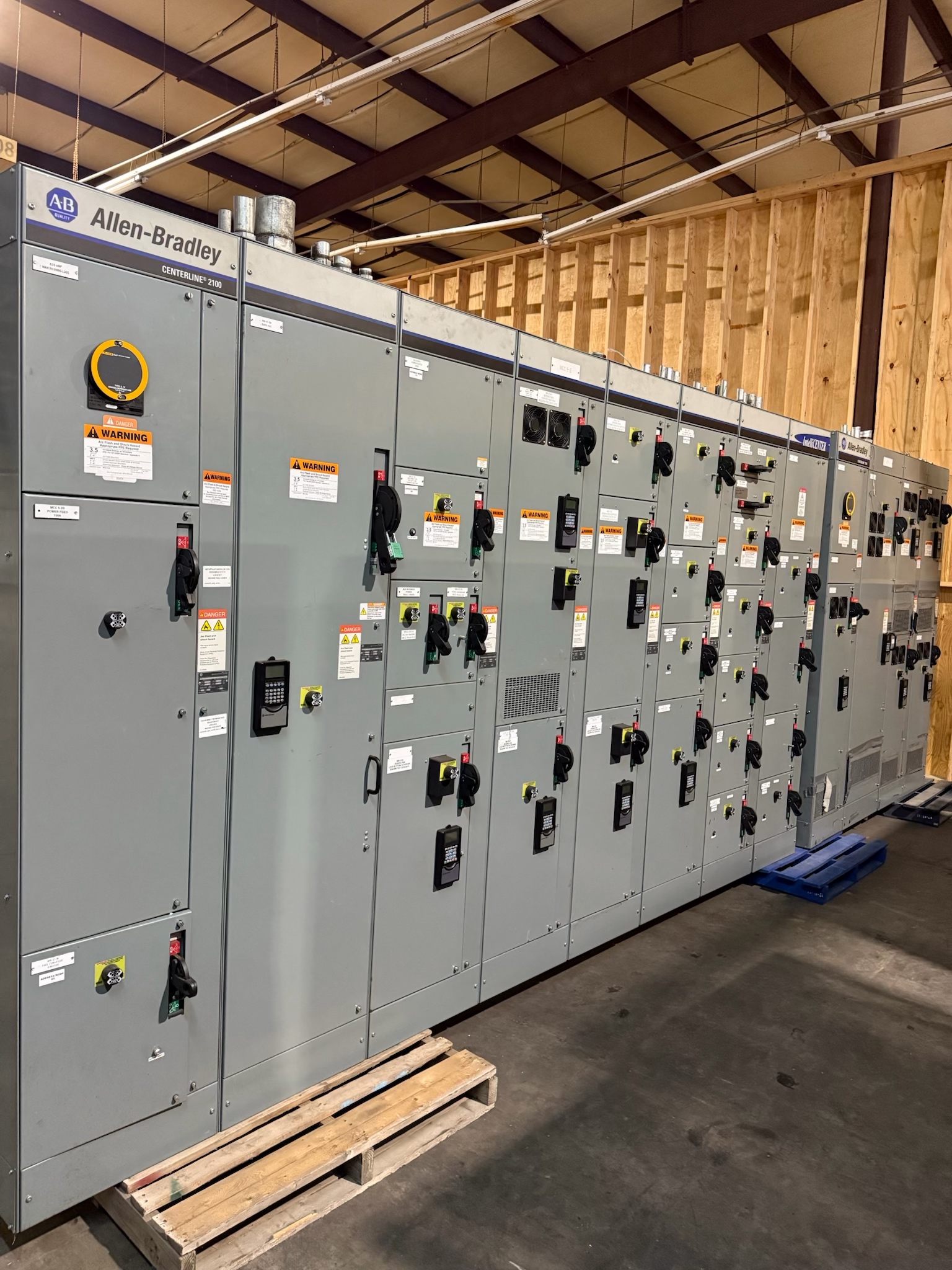
Separate the MCC bus rating from feeder and starter ratings
An MCC section may carry a 400-amp bus rating while its individual feeder breakers, starter units, or bucket disconnects have lower ratings. Conversely, a 400-amp device marking does not establish that the vertical or horizontal bus is rated 400 amps. Treat each value as belonging to the component identified in the equipment documentation, not as a description of the entire assembly.
Use existing nameplates, schedules, drawings, and purchase records to establish what a 400-amp label describes. If a page title or seller description says “400-amp MCC,” regard that as a lead, not verified equipment data. A hypothetical lineup could have 400-amp vertical bus and several 60-amp starter buckets; the smaller bucket ratings do not change the bus rating.
Define the sections, buckets, and accessories included
Describe the proposed sale as a physical scope: for example, two identified MCC vertical sections, specified starter buckets, and any separate pull section or transition section. Note whether the 400-amp bus applies to one section or a connected lineup, and whether the sale includes only selected sections rather than every section at the site. A simple lineup sketch or existing equipment schedule can clarify boundaries.
List buckets by position or existing tag where possible, along with their apparent type and documented ratings. Say whether spare buckets, blank doors, bus plugs, cable compartments, or loose components are included, excluded, or uncertain. Do not assume a bucket stays with a section merely because it is installed there. A hypothetical offer scope might include one section and four identified buckets, but exclude adjacent lineup sections.
Share useful identification and condition information safely
A buyer can make a more informed review when the seller shares manufacturer and model information, serial or catalog numbers, approximate age if known, and available one-line diagrams or lineup schedules. Existing exterior photographs may help show arrangement and visible condition. Describe known issues plainly, such as missing buckets, damaged doors, corrosion, or incomplete records, without presenting an unverified rating as fact.
Do not open enclosures, operate equipment, touch conductors, test or measure anything, or approach apparatus that may be energized to gather details. Use existing paperwork and information safely accessible from the exterior. No seller testing is required for the buyer to consider the equipment. If documentation is incomplete, identify what is unknown rather than filling gaps with assumptions about the bus, feeders, or starter units.
Coordinate the sale around the actual removal scope
For a decommissioned facility, clarify where the MCC is located, which sections are being offered, and any known access constraints: building entrances, loading areas, stairs, overhead restrictions, or site scheduling requirements. Share what is already known about the equipment’s location and surrounding space. These details help the buyer review the proposed removal and logistics; they do not make the seller responsible for dismantling or moving the lineup.
The Illinois buyer handles the removal logistics for an accepted scope, including disconnects, crane or rigging coordination as appropriate, loading, freight, and hauling. Qualified professionals perform electrical work as appropriate. Do not represent that the equipment is de-energized or that electrical work is complete unless that status is verified through proper site procedures. The buyer and seller can discuss access and scope before arranging work.
Request a scope-specific review and understand payment terms
When contacting the buyer, identify the 400-amp marking’s documented context, list the sections and buckets offered, and provide available records and safe exterior photographs. Explain whether the equipment comes from a shutdown, a surplus project, or another situation, and flag uncertainties. The buyer reviews the details and can discuss a cash offer for the described equipment; an offer and its scope remain subject to review, not automatic acceptance.
The buyer purchases used, surplus, and decommissioned electrical equipment, including MCCs and associated equipment across voltage classes. For an agreed purchase, payment is upfront, not after pickup, and freight is covered. The seller is not required to test, dismantle, rig, load, or haul the equipment. Confirm the written scope, access arrangements, and payment details before removal so both sides understand what is included.
Common questions
Does a 400-amp MCC bus mean every starter bucket is rated 400 amps?
No. Bus, feeder-device, and starter ratings refer to different parts of the assembly. Check existing labels and records to identify each rating’s context; do not infer bucket ratings from the section bus marking.
How should I describe a sale that includes only some MCC sections and buckets?
Identify each section and bucket by its existing tag, position, or documented designation, and state what is excluded or uncertain. A lineup sketch or schedule can help define the proposed scope without opening equipment.
Do I need to test or remove the MCC before asking for an offer?
No seller testing is required, and the seller does not dismantle, rig, load, or haul the equipment. Share available records and safe exterior information; removal logistics are handled for an accepted scope.