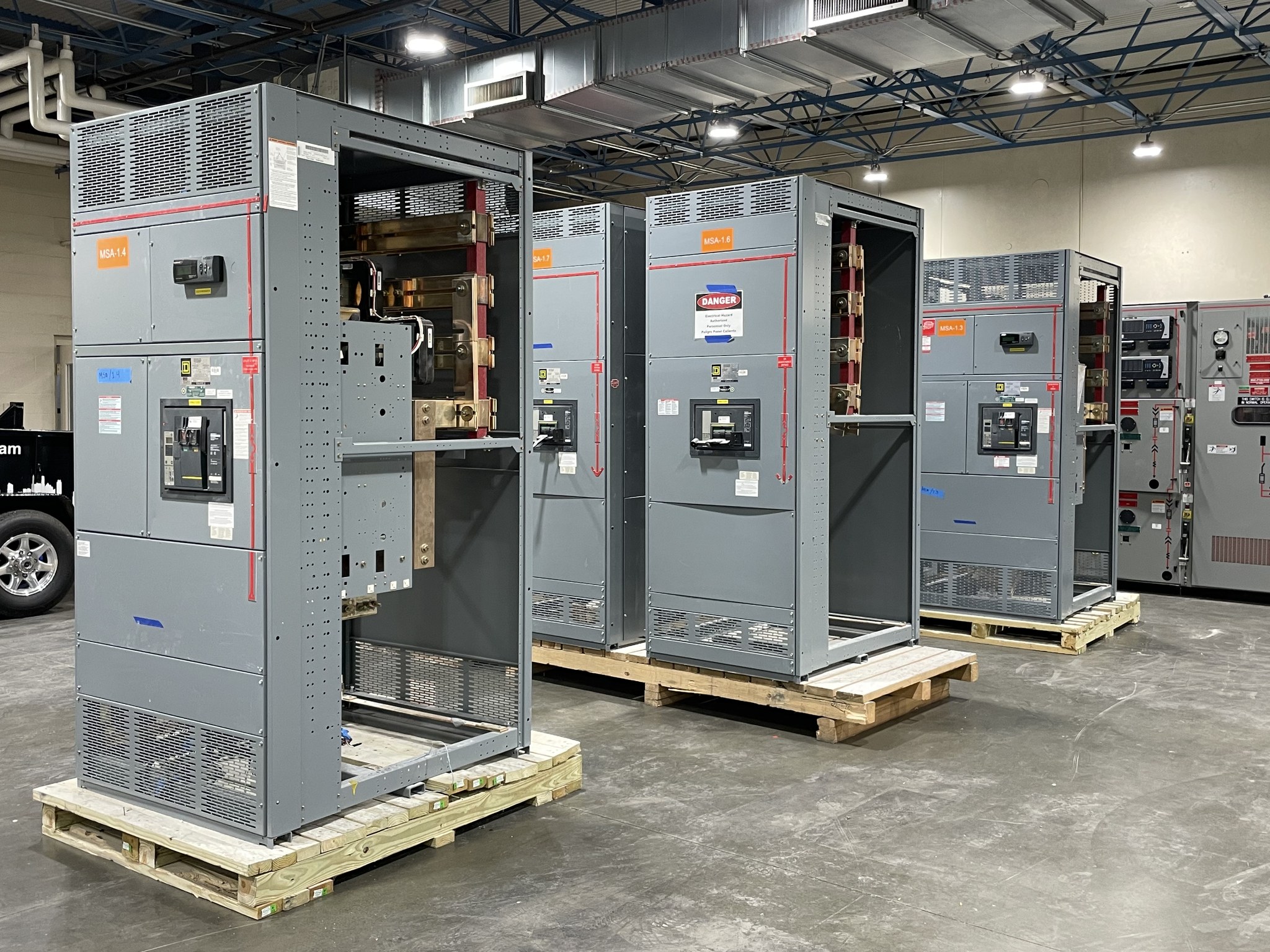
Treat 1,200 amps as one rating, not the whole identity
When describing an ATS as 1,200 amps, distinguish that current rating from its voltage rating. They answer different questions, and one cannot be inferred from the other. Do not assume a listing title, handwritten note, or remembered description establishes either rating. If safely accessible, use existing nameplate information or equipment records to report what they actually show, including any uncertainty or conflicting documentation.
A hypothetical example: an old project spreadsheet calls a switch “1200A,” while a visible label appears to show a different value or a different equipment designation. Report both observations and identify their sources rather than resolving the discrepancy yourself. A buyer can review the description and available documentation before discussing an offer. No seller testing, enclosure opening, or electrical measurement is needed to begin that conversation.
Record poles, controller model, and bypass-isolation status separately
For this specific amperage class, note the pole configuration rather than assuming every 1,200-amp transfer switch follows one standard arrangement. Record the number of poles only when it is stated on accessible equipment information or reliable records. If the marking is unclear, say so. A clear, qualified description is more useful than a confident guess that could misrepresent the switch.
Also record the controller make and model as printed on an accessible label or shown in paperwork, and state whether bypass-isolation is present, absent, or not confirmed. These are distinct details, not interchangeable options. For example, a hypothetical inventory entry might say “1,200 A per existing label; controller model recorded from exterior identification; bypass-isolation not verified.” That level of precision helps focus review without claiming more than you know.
Describe condition from records and safely accessible information
Useful condition notes can cover known service history, storage circumstances, visible exterior damage, missing documentation, or whether the switch came from a decommissioned facility. Keep observations factual and identify their limits. Do not open an enclosure, operate the ATS, touch conductors, test it, or approach energized apparatus to improve a listing. Existing maintenance records, asset schedules, and safely accessible exterior information are appropriate starting points.
If condition is unknown, say that plainly instead of calling the unit operational or tested. The buyer accepts equipment without requiring the seller to perform testing, but a specific offer remains subject to review of the item and information provided. A hypothetical seller might disclose that paperwork is incomplete and that the unit’s operating status is unverified. That avoids overstating condition while still allowing a discussion to proceed.
Keep the offer discussion tied to the actual configuration
When contacting an Illinois buyer, share the 1,200-amp description alongside the pole count, controller model, bypass-isolation status, voltage information if documented, and any uncertainty. Photos should be limited to information already safely accessible; do not take risks to capture a label or view. Existing inventory lists, asset records, and decommissioning documents can help identify the item and distinguish it from nearby switchgear or other transfer switches.
The buyer purchases used, surplus, and decommissioned electrical equipment, including transfer switches, across voltage classes. It can review the particulars and discuss a cash offer; no offer or acceptance of every item is guaranteed. The stated buying terms are payment upfront and freight covered. Confirm the proposed transaction details directly, including what equipment is included, before relying on any description or arranging site work.
Coordinate removal without taking on the electrical or hauling work
If a purchase is agreed, site access and project coordination matter as much as the nameplate details. Share relevant access requirements, scheduling constraints, loading-area information, and any known coordination rules for the facility. The buyer handles crane, rigging, disconnects, loading, freight, and hauling as appropriate, so the seller is not expected to dismantle, rig, disconnect, or move the equipment. Qualified professionals perform electrical work as appropriate.
Do not assume that the equipment has already been de-energized or that electrical work is complete; site conditions and responsibilities need to be coordinated for the specific project. The seller’s role is to provide accurate information and communicate access arrangements, not to prepare the switch physically. Payment is upfront, never after pickup, and freight is covered under the stated terms. Confirm those details and the scope of the agreed transaction before removal is scheduled.
Common questions
Does a 1,200-amp ATS automatically have a particular pole count or bypass-isolation arrangement?
No. Record the pole configuration and whether bypass-isolation is present, absent, or unconfirmed from accessible information or records. Do not infer either feature from the 1,200-amp rating.
What if the controller model or voltage is not readable?
Say that it is unknown or unverified and share any relevant existing paperwork. Do not open the enclosure, operate the switch, test it, or approach energized equipment to obtain details.
Do I need to disconnect or move the transfer switch before an offer?
No. The buyer handles disconnects, rigging, loading, freight, and hauling as appropriate, with qualified professionals performing electrical work as needed. Coordinate site access and confirm transaction details directly.