Keep the switch rating separate from the installed fuses
Describe the equipment as a 600-amp fusible disconnect only when existing documentation or safely accessible exterior markings support that identification. Record the manufacturer and catalog or model number if visible without opening the enclosure. A 600-amp switch rating does not establish the ampere rating of the fuses installed in it, and it says nothing by itself about the equipment’s voltage rating.
List the fuse information as a separate observation: class, ampere rating, quantity, and whether fuses are present, if those details are already documented or safely known. For example, a hypothetical listing might say, “600-amp switch; fuse class and installed fuse ratings not verified.” That is more useful than guessing that the fuses match the switch rating. Do not open the enclosure or handle fuses to complete a listing.
Make fuse class and pole count easy to review
Fuse class is a distinct identifying detail, not a synonym for fuse amperage. If records, labels on removed paperwork, or an existing inventory identify the class, include it along with the fuse ampere rating and the number of fuses. If you cannot confirm the class, say so plainly. A hypothetical description could note “three-pole disconnect; fuse class unknown; fuses not included,” rather than implying a particular fuse arrangement.
Record pole count from reliable documentation or safely accessible exterior information; do not infer it from the switch’s ampere rating or from a brief view of the installation. Note whether the listing covers one switch or several, and whether associated items—such as spare fuses or a separate enclosure—are included. These distinctions help prevent a buyer from treating a partial assembly as a complete, fuse-equipped unit.
Describe enclosure condition without attempting an inspection
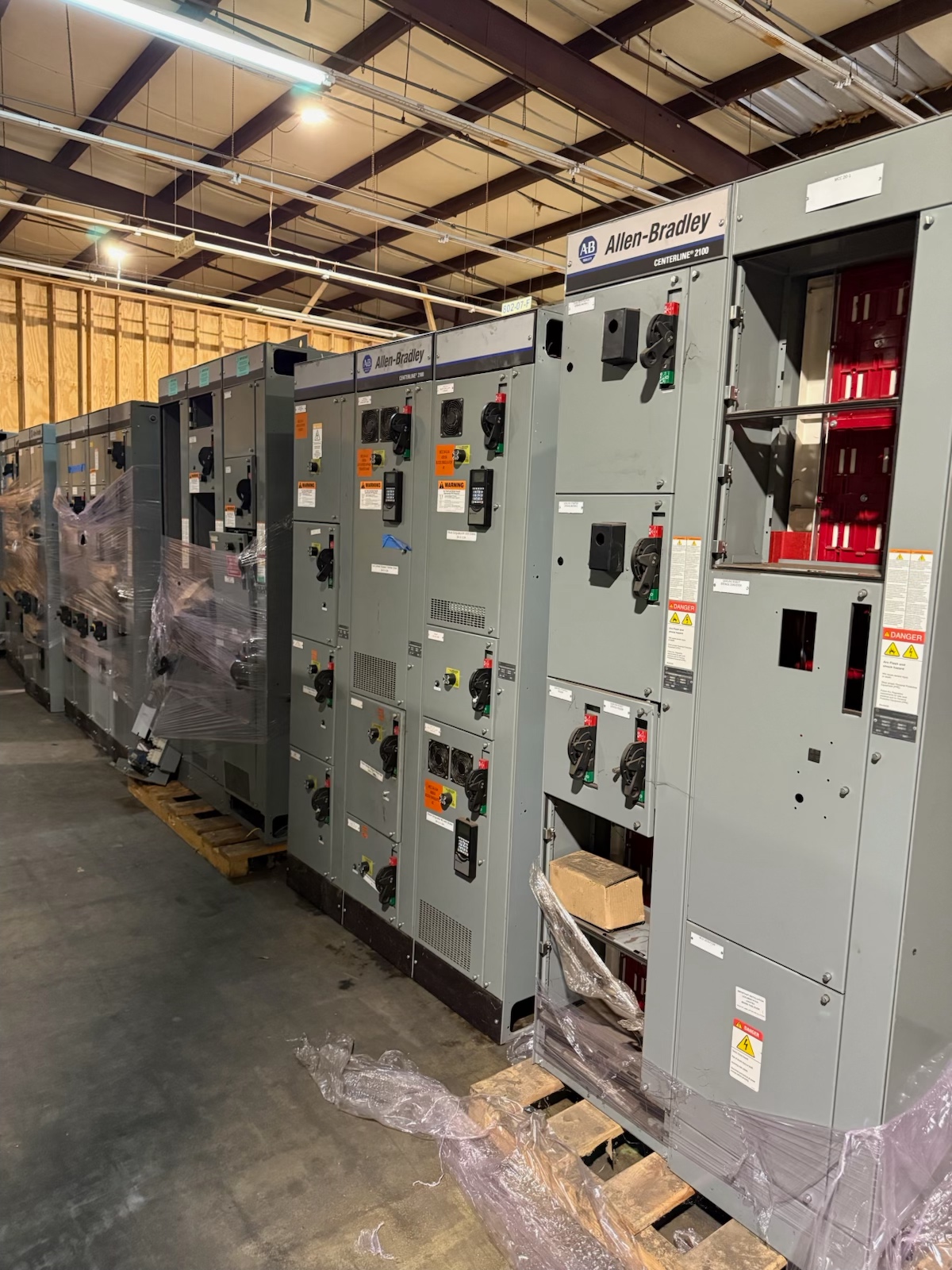
Give a concise exterior condition description based on what is already visible from a safe location: for instance, whether the cabinet appears intact, has a dented door, shows exterior corrosion, or is missing an external cover. Identify any known water exposure, fire event, impact, or storage history from records or firsthand knowledge. Avoid calling the switch operational or serviceable unless that status is supported; appearance alone cannot establish electrical condition.
Do not open the enclosure, operate the disconnect, touch conductors, test the equipment, or approach energized apparatus to gather details. Do not ask site staff to do those things for a listing. Existing asset schedules, prior removal records, photographs already taken from a safe position, and accessible exterior nameplate information can provide a useful first description. If a detail is unknown, labeling it unknown is better than filling the gap with an assumption.
Give the buyer a clear picture of ownership and project timing
When contacting the Illinois buyer, explain who owns the disconnect or is authorized to sell it, where it is located, and whether it is still installed, already removed, or in storage. If the switch is part of a decommissioning or shutdown project, describe the broader scope and anticipated access window. The buyer also purchases electrical equipment from decommissioned data centers and shut-down power plants, so project context can help frame a review without guaranteeing acceptance.
Share practical site details that affect coordination: building access rules, loading-area constraints, known lift or rigging considerations, and whether the equipment is surrounded by other assets scheduled for removal. Do not dismantle, disconnect, rig, or move the switch on the buyer’s behalf. Qualified professionals handle electrical work as appropriate, while the buyer coordinates applicable disconnects, crane or rigging needs, loading, freight, and hauling after reviewing the specific equipment and site information.
Send a focused listing and confirm the transaction terms
A useful first message can include the 600-amp identification and its source, manufacturer and model if available, documented voltage rating if known, pole count, fuse class and fuse status, enclosure condition, quantity, ownership, and project location. Attach existing paperwork or safe exterior photographs when available. Keep voltage and amperage distinct: do not infer one from the other, and do not present a page title or seller description as a verified rating.
The company buys used, surplus, and decommissioned electrical equipment across voltage classes, including switches, breakers, switchgear, switchboards, MCCs, panelboards, busway, transfer switches, and unit substations. Offers are subject to review of the particular equipment and details. For an accepted transaction, payment is upfront, before pickup; no seller testing is required, and freight is covered. The seller is not expected to dismantle, rig, load, or haul the switch.
Common questions
Should I list the installed fuses as 600 amps because the disconnect is rated 600 amps?
No. Report the switch rating separately from fuse ampere ratings and class. If existing records do not verify the installed fuses, state that their ratings or class are unknown rather than estimating.
What if the 600-amp disconnect is still installed at a shutdown site?
Explain that it remains installed, identify the project and access constraints, and share available records. Do not disconnect or move it yourself; the buyer reviews the details and coordinates applicable qualified work and removal logistics.
Do I need to test the switch or pay freight before pickup?
No seller testing is required, and freight is covered. Any offer depends on review of the specific equipment. Payment is upfront before pickup, not after the switch has been collected.