Separate the tap-off rating from the busway rating
Start with the rating shown on the tap-off unit itself. If its nameplate or existing records identify it as 800 amps, record that as the tap-off’s ampere rating. Do not use that number as a substitute for the parent busway rating: the busway may have a different ampere rating, and the two ratings describe different parts of the distribution system. Voltage is a separate characteristic; an 800-amp label does not establish the unit’s voltage.
Look for the parent busway’s identification in available drawings, schedules, equipment lists, or safely accessible exterior labels. Record the manufacturer and series if those sources provide them, along with the busway’s stated rating and voltage as separately listed fields. If documentation is incomplete, say so rather than filling gaps by assumption. A hypothetical inventory entry might read: “tap-off: 800 A; parent busway: rating not confirmed; series: shown on exterior label.”
Capture the series, switching device, and visible identifiers
Series identification can matter because units that look broadly similar may have different construction or mating arrangements. Copy the manufacturer and series exactly as shown on existing paperwork or safely visible exterior information. Note the catalog or model number where available, and distinguish it from serial, project, or asset numbers. A clear photograph of an exterior nameplate can help communicate these details, provided it can be taken without approaching energized apparatus or opening an enclosure.
Record the protective or switching device as specifically as the available information permits: for example, whether documentation identifies a switch or a circuit breaker, and any stated device rating or model. Do not infer a breaker’s rating from the tap-off’s 800-amp designation, or vice versa. If the label is unreadable or no paperwork remains, mark the device type as unknown. No seller testing or internal inspection is needed to begin a review.
Describe mating hardware and the unit’s configuration
The connection arrangement is useful information, but it should be reported from existing records or safely accessible exterior features—not by dismantling the unit. Note whether the tap-off is presented as a complete assembly, and list any separately stored cover, handle, interlock component, or other hardware only when you can identify it confidently. If a piece is absent, uncertain, or stored elsewhere, state that plainly instead of describing the unit as complete.
For example, a hypothetical seller might have one 800-amp tap-off with a documented series designation, breaker type, and a bag of unverified loose parts. The useful description is not “ready to install”; it is a factual inventory: the identified assembly, the documented device, the loose items, and what remains unconfirmed. That distinction lets a buyer review the offering without implying compatibility with a particular busway or promising a future application.
Share condition and ownership information without handling the equipment
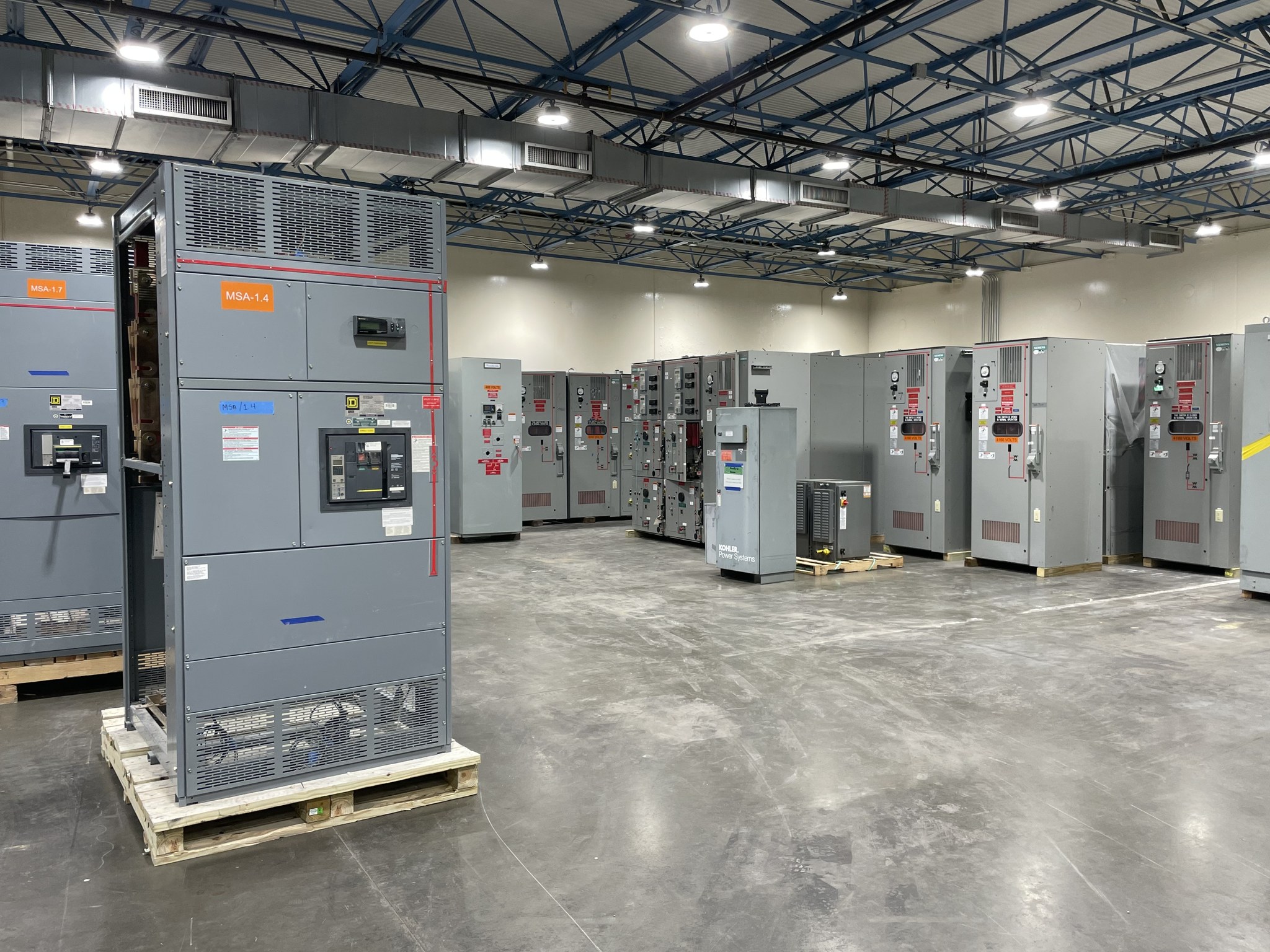
Condition notes should come from records and observations that can be made safely from an appropriate distance. You can report known storage history, visible exterior damage, missing labels, or whether the unit came from a decommissioned data center, shut-down power plant, or another source. Do not open the enclosure, operate the switch or breaker, touch conductors, test, or measure the unit. Do not approach energized apparatus to gather details.
A useful initial message can include the quantity, the tap-off’s stated 800-amp rating, the parent busway rating if documented, voltage if separately identified, manufacturer and series, switch or breaker type, mating-hardware notes, general condition, and clear exterior photographs where safe. Mention whether you own the equipment or are authorized to arrange its sale, and identify any uncertainty. The buyer reviews the information and may ask follow-up questions before making a specific offer.
Coordinate a review and pickup around the site
For Illinois sellers, the buyer is interested in used, surplus, and decommissioned electrical equipment, including busway tap-off units across voltage classes. A specific offer depends on review of the equipment and details; submitting an 800-amp description does not guarantee acceptance or establish a price. The stated terms are a cash offer, payment upfront, no seller testing required, and all freight covered.
If an offer is agreed, explain the site’s access and coordination requirements early: whether the equipment is indoors, what loading access is available, and whether scheduling must account for other site work. The buyer handles crane, rigging, disconnects, loading, freight, and hauling, coordinating qualified professionals for electrical work as appropriate. Do not dismantle, rig, disconnect, or move the unit on the buyer’s behalf. The seller’s role is to provide information, coordinate access, and receive payment under the agreed terms.
Common questions
Does an 800-amp tap-off mean the parent busway is also rated 800 amps?
No. The tap-off and parent busway are separate components with separate ampere ratings. Check existing labels or records for each, and report either rating as unconfirmed when documentation does not establish it.
What should I record about the breaker or switch and mating hardware?
Note the documented device type, model or rating if available, series identification, and any separately identified mating components. List uncertain or missing parts as unknown; do not open the unit to inspect them.
Do I have to test or remove the tap-off before requesting an offer?
No seller testing is required, and you should not dismantle or move the equipment. Share available records and safe exterior information; after review, pickup work is coordinated by the buyer, with payment upfront.