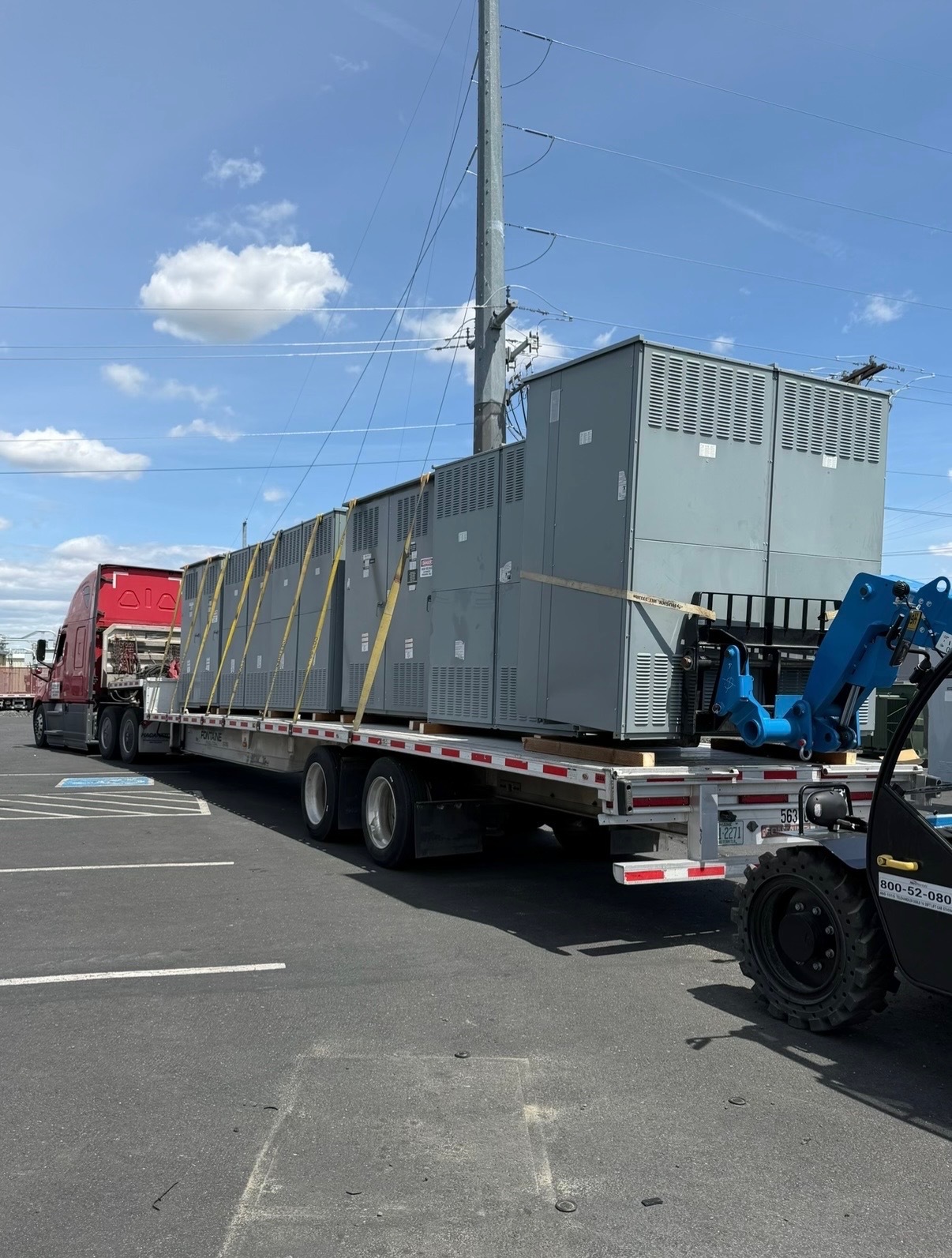
Describe the complete lineup, not only the transformer
Build an inventory from existing nameplates, drawings, schedules, and project records. Note the transformer, primary and secondary sections, switchgear or switchboards, metering compartments, protective devices, and any associated bus or transition pieces. Record manufacturer, model or catalog identifiers, and serial numbers when safely visible. A lineup may include more than one cabinet or shipping section, so identify what is included and what is not.
Keep voltage and ampere information separate. The transformer's primary and secondary voltage, equipment voltage class, and current ratings answer different questions; one cannot be inferred from another. A page title or seller's shorthand is not a verified rating. If a label is unclear or inaccessible, say so and provide the relevant drawing or schedule if available rather than guessing or approaching equipment to inspect it.
Share fluid and PCB records as records, not conclusions
For a liquid-filled transformer, gather existing fluid-analysis reports, oil service history, PCB sampling or classification documents, and any records of fluid replacement or additions. Include dates and identify which transformer or serial number each document concerns, if that is known. Older paperwork may refer to a prior sample or configuration, so make that context clear instead of treating one result as a current determination.
The buyer can use the information in its review, while qualified specialists handle environmental classification and any testing they determine is appropriate. Do not sample fluid, open a compartment, or try to establish a PCB status yourself. If records are missing, say they are unavailable; absence of paperwork is not a test result. The equipment and documentation remain subject to review before any offer is made.
Explain condition and boundaries of the offered package
Describe what you know about the unit's operating history, storage, known damage, and whether components were removed or changed. Distinguish direct observations from assumptions: for example, “the control cabinet is included” is more useful than “complete” if the package has not been checked against drawings. Existing maintenance logs, protection settings, and equipment schedules can clarify configuration without requiring you to operate or inspect the apparatus.
Consider a hypothetical lineup with a liquid-filled transformer, primary switchgear, and a secondary distribution section. If the transformer records identify one serial number but the switchgear schedule lists a different lineup designation, flag that mismatch and share both documents. That does not settle what is present; it gives reviewers a clear question to resolve and helps prevent a partial assembly from being described as a complete substation.
Coordinate access and removal without taking on electrical work
When you make contact, provide the Illinois site location, the equipment's general setting, and any known access constraints: indoor or outdoor placement, door or route limitations, overhead clearance, loading-area restrictions, and site rules. Mention whether the substation is part of a decommissioned data center, shut-down power plant, or another project, and who can coordinate site access. Do not assume that electrical work is complete or that equipment is de-energized.
The buyer handles disconnects, crane and rigging arrangements, loading, freight, and hauling; qualified professionals perform electrical work as appropriate. You are not expected to test, dismantle, rig, or move the equipment. No one should open enclosures, operate apparatus, touch conductors, or approach energized equipment to gather details. Share existing paperwork and safely accessible exterior information, then coordinate a suitable site review.
Understand the offer and prepare a useful first submission
Send the lineup description, available fluid and PCB records, photographs already taken from a safe location, and any drawings or maintenance documents to support an initial review. Identify gaps plainly—for instance, “no fluid report located” or “secondary rating not confirmed.” The company buys used, surplus, and decommissioned electrical equipment across voltage classes, including unit substations, but each specific package and its details are reviewed before an offer is discussed.
For equipment it elects to buy, the terms are cash offers with payment upfront, no seller testing required, and freight covered. Payment is not deferred until pickup. Removal planning is handled with the site contact, including applicable disconnects, rigging, loading, and hauling, so the seller's role is to provide information and coordinate access—not to prepare the substation for transport.
Common questions
What if the liquid-filled transformer has no PCB or fluid report?
Tell the buyer which records are unavailable and share any related maintenance or identification documents you do have. Qualified specialists handle environmental classification and testing; do not sample fluid or assign a status yourself.
Should I separate the transformer from the switchgear before requesting an offer?
No. Describe the lineup as it stands and identify included sections, known removals, or boundaries of the offered package. The buyer coordinates removal and appropriate qualified professionals handle electrical work; you need not dismantle it.
Which ratings should I provide for a unit substation?
Share documented primary and secondary voltage, equipment voltage class, transformer kVA, and relevant ampere ratings where available, keeping each distinct. If a rating is uncertain or not safely visible, mark it unconfirmed rather than infer it.