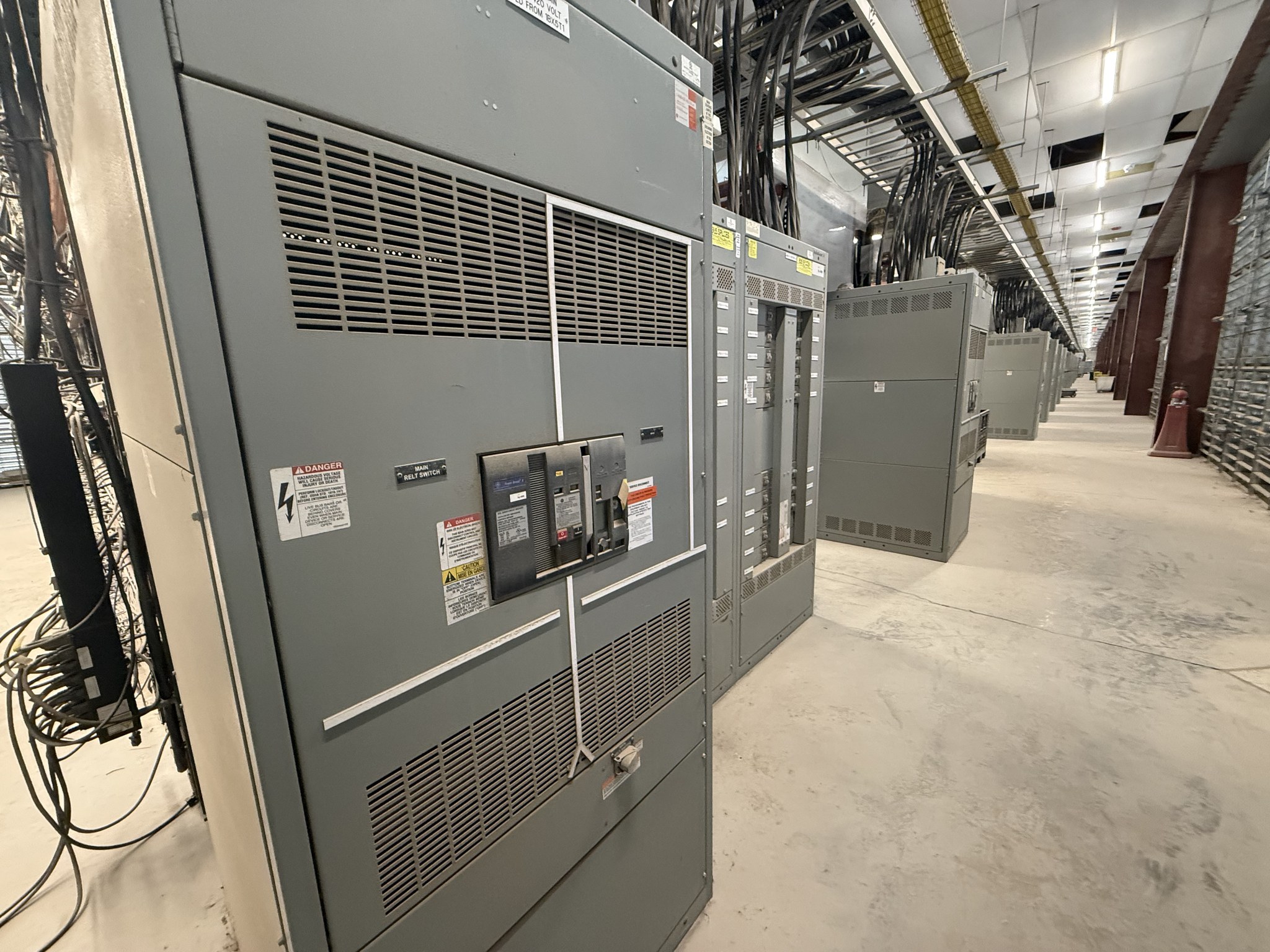
Build one inventory that preserves each building’s identity
Create a single list, but give every entry a building identifier and a location within that building, such as “Building C, electrical room 2.” Add an asset tag when one is present, along with the equipment type and any manufacturer or model information already visible or recorded. Keep the original tag wording; do not replace it with an assumed description just to make entries look consistent.
Separate confirmed details from unknowns. One record might say, hypothetically, “Building A, tag 0148, switchboard, nameplate details not recorded,” while another identifies a breaker by its existing paperwork. This is more useful than guessing. An Illinois buyer of used and surplus equipment may review switchgear, switchboards, MCCs, panelboards, busway, transfer switches, breakers, and unit substations across voltage classes; exact items and terms remain subject to review.
Reconcile asset tags without forcing a match
Tags can be missing, duplicated, faded, or tied to a building’s internal accounting system rather than an equipment model. Record the tag exactly as shown in existing records or safely accessible exterior information, and flag uncertainty. If a spreadsheet lists “Unit 22” but a photograph shows “U-22,” note both forms and explain that the relationship is unconfirmed instead of silently treating them as a match.
Keep electrical ratings distinct. Ampere rating describes current capacity; voltage rating describes the equipment’s voltage class. Neither should be inferred from the other, and a building name or system role does not establish either rating. Use existing documentation or exterior nameplate information that can be read safely. Do not open enclosures, operate equipment, touch conductors, test, measure, or approach energized apparatus to fill gaps.
Match photographs to pickup locations, not just equipment types
Use a consistent photo label that combines building, location, and inventory entry—for example, “Bldg-B_Room-1_Tag-52,” if that information is already known. A wide view can show which room or area the item occupies; a separate exterior view may show a safely accessible tag or nameplate. Keep the original image files and a simple index so a reviewer can connect each picture to its inventory row without relying on memory.
For a hypothetical lot with two similar-looking motor control centers, photos labeled only “MCC” leave open which building contains each one. A location-coded index resolves that ambiguity, while a note such as “same appearance; tag not visible in supplied image” prevents a visual guess from becoming a claimed identification. Never rearrange equipment or enter a restricted or unsafe area for a better image; existing records and safely accessible views are enough to start a discussion.
Describe configuration and condition from what is already known
Note whether a listed item is a complete assembly, a section, a loose breaker, or an associated component only when that distinction is supported by records or a safely visible exterior view. If several sections are listed together, show which tags or records group them, and mark any uncertainty. Mention known missing parts, storage history, or visible exterior damage without presenting an unverified assumption as a technical finding.
The goal is an accurate description, not a seller-led inspection. Do not ask staff to test equipment, remove covers, disconnect conductors, or determine whether apparatus is energized. If documentation is absent, say so. The buyer can review the available inventory and images, ask follow-up questions, and decide whether a specific offer is appropriate; no description or photograph guarantees acceptance of every item in a mixed lot.
Document building access and coordinate collection by location
Alongside the inventory, prepare a building-by-building access sheet for the person coordinating the site: identify the pickup point, the site contact or access procedure, any known scheduling restrictions, and whether the route or loading area has a stated constraint. Include only information you are authorized to share. Flag separate buildings or access arrangements so a potential collection plan does not treat a multi-site lot as one undifferentiated stop.
The Illinois company buys used, surplus, and decommissioned electrical equipment, including equipment from shut-down power plants and decommissioned data centers. It states that it covers freight and handles crane, rigging, disconnects, loading, and hauling, with qualified professionals performing electrical work as appropriate. Sellers are not expected to dismantle, rig, test, or move equipment. After reviewing the information, discuss scope, access, and any proposed offer directly; stated terms include cash offers and payment upfront, never payment after pickup.
Common questions
What should I do if the same asset tag appears in records for two different buildings?
List both building locations and preserve the tag exactly as recorded. Mark the duplicate as unresolved, then share relevant records or safely accessible exterior photos so the buyer can review the discrepancy before discussing a specific offer.
How can I show which photo belongs to which pickup point?
Use a filename or photo index that combines building, room or area, and inventory entry. Pair a location view with any safely accessible exterior identification image, and label uncertain matches rather than guessing.
Do we need to disconnect or move equipment from each building before requesting review?
No. The stated buying terms include handling disconnects, rigging, loading, freight, and hauling, with qualified professionals doing electrical work as appropriate. Share access and location details; do not dismantle, test, or move equipment for the review.