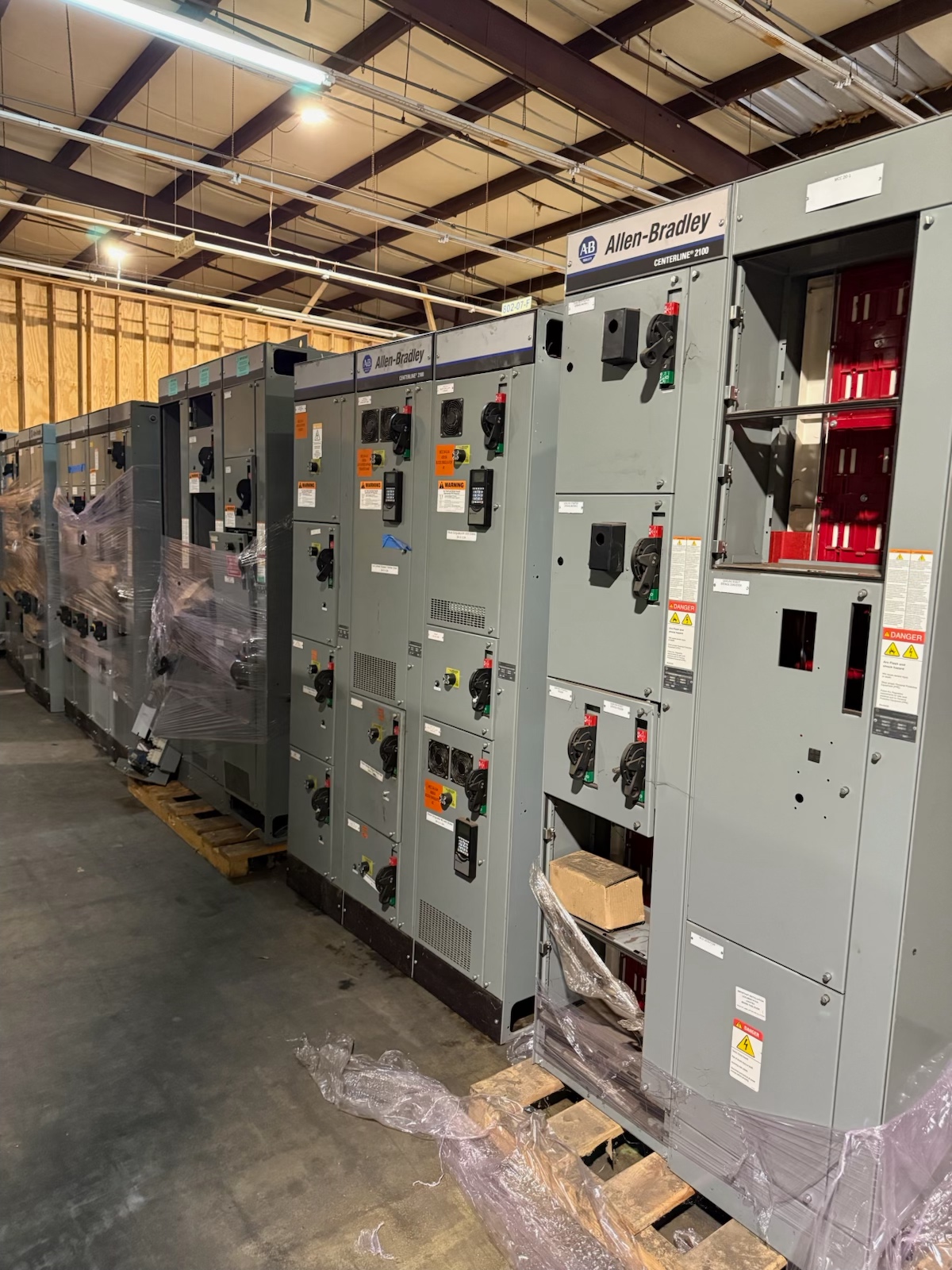
Build an exposure record before describing the equipment
Start with the event, not a conclusion about condition. Record the date or approximate period, the area affected, the apparent maximum water depth, and how long water remained or contacted the equipment. Distinguish standing water from runoff, spray, or moisture intrusion when you can. If the depth is uncertain, say so and identify the basis for the estimate rather than presenting a guess as a measured fact.
Tie each observation to identifiable equipment where possible: room, lineup, section, elevation, or asset tag. A hypothetical example might say that water reportedly reached the lower portion of a switchboard room for several hours, while the exact level at each lineup is unknown. That is more useful and candid than labeling the entire inventory “flood-damaged” or “unaffected” without item-level support.
Describe equipment without treating a label as a condition report
Make an inventory using existing asset lists, nameplate information visible from a safe location, drawings, or prior maintenance documents. Note equipment type—such as switchgear, a switchboard, MCC, panelboard, busway, transfer switch, breaker, or unit substation—along with manufacturer, model, serial number if documented, and configuration. These identifiers help distinguish items; a manufacturer name alone does not establish condition or value.
Keep voltage and amperage as separate fields, and transcribe each only when supported by documentation or safely accessible exterior information. A listing title, a seller’s shorthand, or an apparent enclosure size is not a verified rating. Do not open an enclosure or operate, touch, test, or measure equipment to fill gaps. Flag missing or uncertain information so it can be reviewed rather than inferred.
Share inspection and event records, including their limits
Gather records already available: flood-response notes, photographs taken during authorized site documentation, prior inspection reports, service history, drawings, and any post-event evaluations. Identify who prepared each record, when it was created, what equipment it covers, and whether it describes observation, testing, repair, or another activity. A report on one section should not be represented as covering an entire lineup unless it actually does.
Be explicit about what has not been inspected or cannot be confirmed. For example, a hypothetical facility may have dated exterior photographs and a contractor’s room-level water estimate but no equipment-specific post-event report. Sharing that distinction gives a prospective buyer context without suggesting the gear is safe or ready for reuse. The buyer reviews available details; no seller testing is required for an initial purchase discussion.
Clarify ownership, configuration, and what is included
Confirm who has authority to sell each item and whether any equipment is leased, financed, jointly owned, or subject to another party’s approval. Identify the proposed sale boundary: complete lineup, selected sections, loose breakers, controls, busway lengths, or associated components. Note missing parts or known changes from the documented configuration, without guessing whether components remain suitable for service.
Packaging and layout matter for review and removal planning. Describe whether equipment is indoors, in a restricted area, assembled in a lineup, separated into sections, or accompanied by loose components. Existing drawings, photographs, and an approximate equipment layout can help explain the configuration. Do not dismantle or reposition equipment for a sale inquiry; the buyer can discuss the site and handling needs after reviewing the opportunity.
Coordinate review and removal around the site, not assumptions
An inquiry can include the inventory, exposure account, available records, ownership status, site location in Illinois, and a contact who can coordinate access. Share any known access constraints, such as limited loading space, scheduled facility closure, security procedures, or a need to coordinate with a site operator. These details support a practical review; they do not guarantee an offer or acceptance of every item.
The company buys used, surplus, and decommissioned electrical equipment across voltage classes, including equipment from facilities such as data centers and shut-down power plants. It considers flood-exposed equipment individually and may make a cash offer subject to review. For accepted equipment, payment is upfront, before pickup; all freight is covered. The company handles disconnects, crane and rigging coordination, loading, freight, and hauling, with qualified professionals performing electrical work as appropriate. The seller is not asked to test, dismantle, rig, or move the equipment.
Common questions
Should I describe equipment as usable if it was only briefly exposed to floodwater?
No. Report the observed exposure and its uncertainty without judging safety or reusability. Brief contact does not establish condition or purchase eligibility; the buyer reviews the available information and the specific equipment.
What if we know the room’s flood depth but not the level at each piece of gear?
State the room-level estimate, how it was obtained, and that item-level depth is unknown. Relate equipment to its location or elevation using existing records, and avoid presenting a room estimate as a verified equipment measurement.
Do we need to test or move flood-exposed equipment before requesting an offer?
No seller testing or moving is required for an initial review. Send available records and safe exterior information; any offer is subject to review. Payment for accepted equipment is upfront before pickup, with freight covered.