Build a safe photo set from information already in view
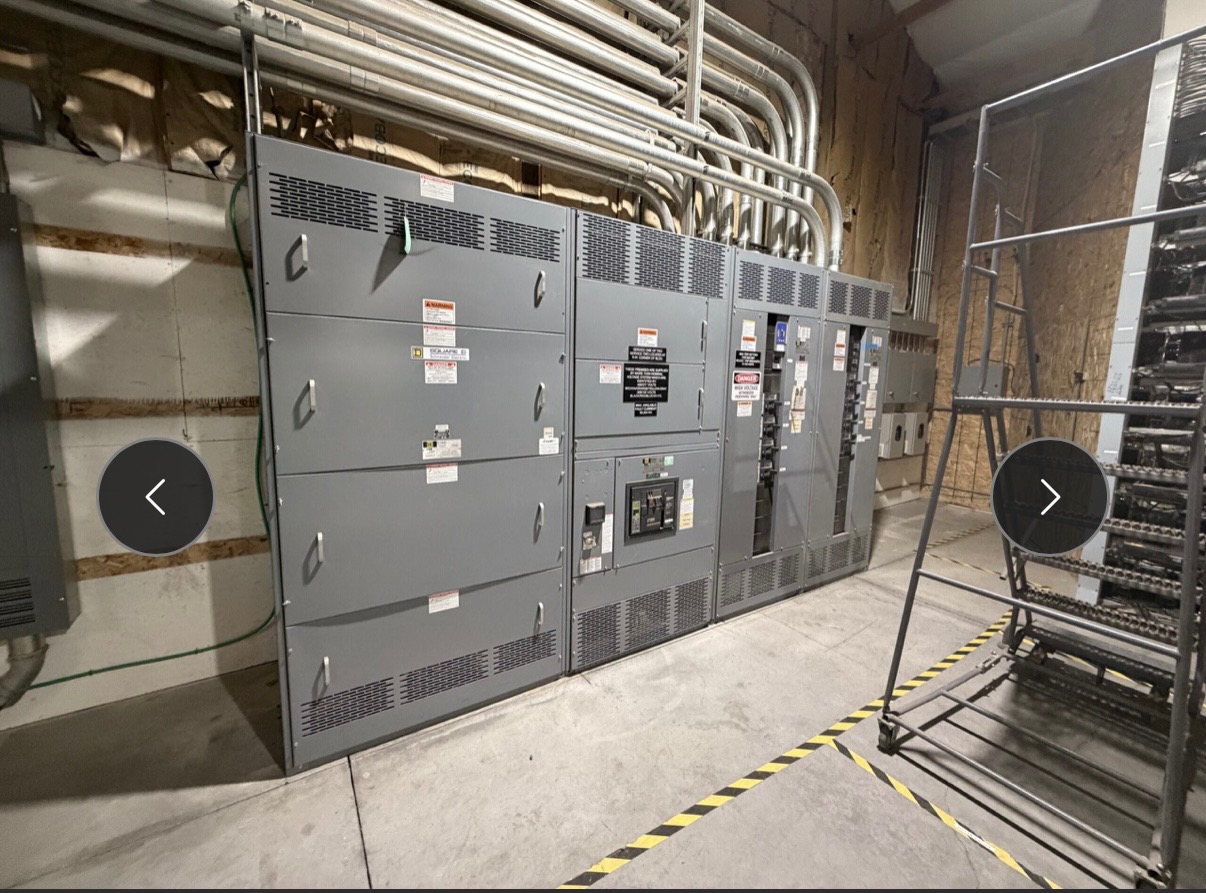
Start with photographs of the equipment’s exterior as it sits. Take one broad view that shows the cabinet or assembly, then closer views of nameplates and any other labels that are already visible from a safe position. Use ordinary camera zoom rather than reaching around barriers or leaning toward electrical components. Do not open doors or covers, operate equipment, touch conductors, or attempt testing or measurement to improve the pictures.
A useful image is legible, not necessarily polished. Avoid glare, heavy shadows, and fingers covering printed details; take another shot if the text is blurred. If a label is inside an enclosure or cannot be seen safely, leave it for qualified personnel to address as appropriate, or rely on available records. The review can proceed with what is safely accessible; a missing photograph is not a reason to take a risk.
Treat the nameplate as evidence to review, not a rating guess
Photograph the entire nameplate where possible, including manufacturer, model or catalog identifiers, serial information, and ratings or configuration text. Do not crop away headings, units, or nearby context: a number without its label can be misleading. Ampere rating and voltage rating describe different characteristics, and neither should be inferred from the other. A listing title or seller’s shorthand is helpful context, but it does not verify the equipment’s rating.
For example, a hypothetical seller might call an assembly a “480-volt switchboard” based on an old inventory sheet, while the accessible plate shows several separate fields that require interpretation. Send the photo and identify the wording as the seller’s description, not a confirmed specification. Existing manuals, one-lines, schedules, or asset records can help clarify an identifier, provided they are already available; no one should open equipment or take measurements to fill gaps.
Show condition and configuration without staging the equipment
Add exterior views that help explain what is physically present: the full lineup, sections or compartments, visible doors and trim, and any attached or adjacent components that appear to belong with it. Photograph visible dents, corrosion, missing covers, water staining, or other notable conditions from the same safe vantage point. Describe what you can see plainly rather than diagnosing internal condition from an exterior image.
Configuration matters because a group of cabinets may be offered as one assembly, as separate sections, or with related equipment such as breakers or control components. A hypothetical plant seller could have several switchgear sections staged in place and a separate pallet of associated parts. A wide shot plus separate views of the pallet and each accessible label can make that distinction clear. Do not move, disconnect, dismantle, or rearrange equipment for photographs.
Pair photos with ownership, site, and pickup details
Alongside the images, provide the Illinois site location, equipment type as you understand it, quantity, and whether the gear is surplus, decommissioned, or part of a larger shutdown. Mention who can confirm ownership or authority to sell, and whether the equipment is offered with related components. Existing asset lists or project documents may help connect labels to the correct units; mark uncertain matches as uncertain rather than assigning a record to a cabinet by guesswork.
Pickup planning also depends on practical site information, not just specifications. Note known access limits, overhead or doorway constraints, loading-dock availability, required appointment procedures, site contacts, and any known crane or rigging considerations. State what is known about disconnect status without assuming all electrical work is complete or equipment is de-energized. Qualified professionals handle electrical work as appropriate; the seller is not being asked to perform it for a photo review.
Use the photo review to establish next steps and terms
An Illinois buyer of used, surplus, and decommissioned electrical equipment can use the photos and accompanying details for a preliminary review of switchgear, switchboards, MCCs, panelboards, busway, transfer switches, breakers, and unit substations across voltage classes. The buyer may ask for a clearer exterior image, a record already on hand, or clarification about quantities and site access. Any specific offer and the details behind it remain subject to review; photographs alone do not guarantee acceptance.
The buying terms include cash offers, payment upfront, no seller testing requirement, and freight covered. For an agreed transaction, the buyer handles the pickup coordination and the necessary crane, rigging, disconnects, loading, freight, and hauling, with qualified professionals performing electrical work as appropriate. The seller does not have to dismantle or move the equipment. Share the photo set and site facts for discussion before making commitments about the equipment or schedule.
Common questions
What if I can see only part of the nameplate from a safe exterior position?
Send the readable portion and say which fields are obscured or unavailable. Add any existing records that identify the unit, but do not open an enclosure or approach exposed conductors to complete the picture.
Should I photograph a breaker or component after removing it from a lineup?
No. Do not remove or handle electrical components for photography. Share an exterior view of what is in place and a separate image of any component already safely staged, if applicable.
Can photos confirm a sale price and pickup arrangement by themselves?
They support an initial review, but a specific offer and logistics depend on the equipment details, quantity, condition, ownership, and site access. Discuss those points with the buyer; images do not guarantee acceptance.