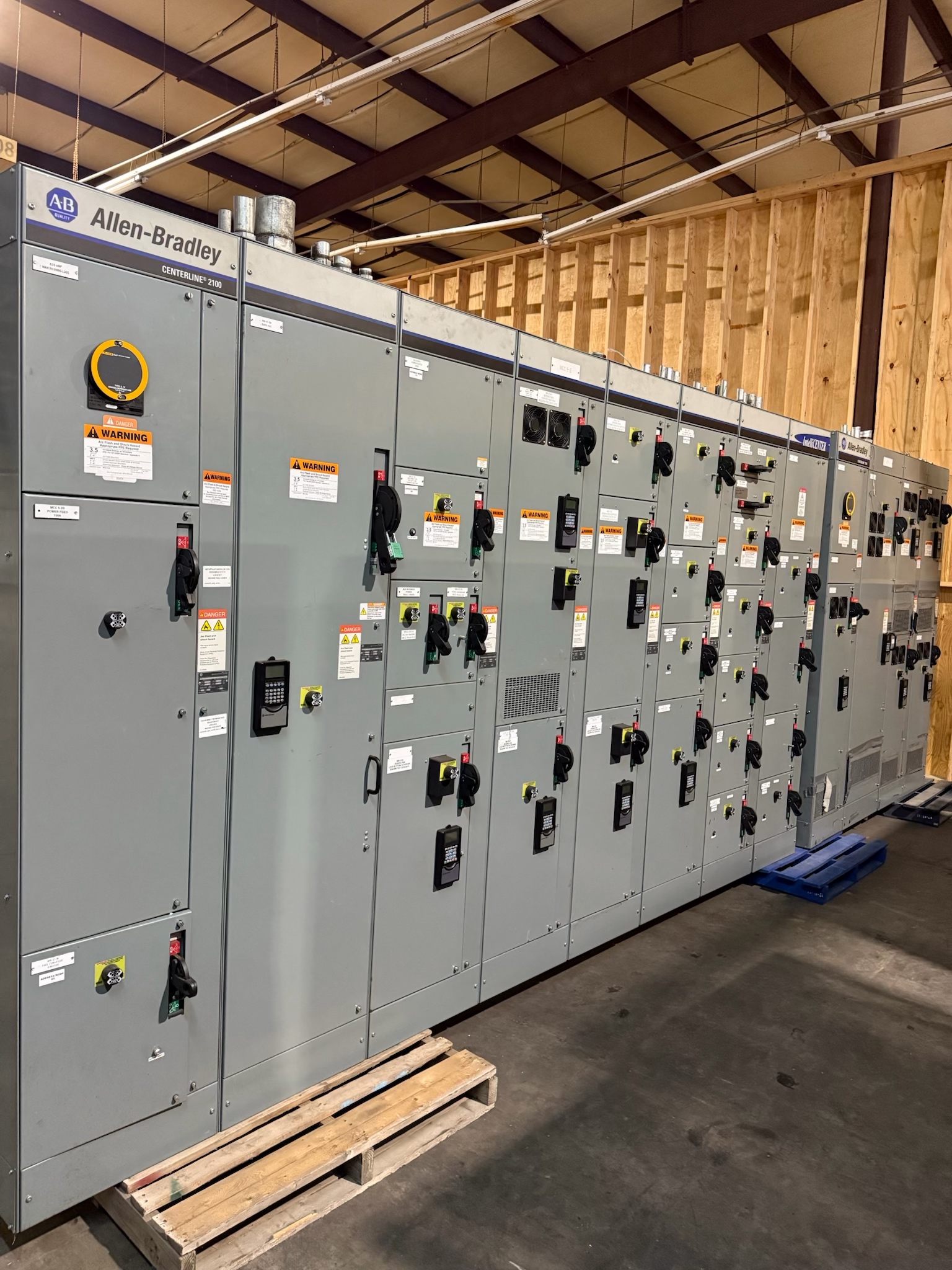
Measure the route, not just the doorway
A doorway’s clear width and height are only the first measurements. The approach may include a corridor turn, low ceiling, threshold, steps, ramp, or limited staging space. A switchboard section that passes through the opening straight on may not make the turn beyond it. Record dimensions only where they can be obtained safely, and note which measurements are approximate; do not move equipment to test a route.
A simple route description is often more useful than a single doorway number: identify the room, the exit opening, turns, floor changes, and the likely path to a loading area. Existing architectural plans or facility records may help. Photos of the route can also provide context if taken from safely accessible positions, without approaching energized apparatus or opening enclosures. These details support review, but do not establish that removal is feasible.
Check whether a shipping split is documented
Some switchboards are built from sections that may be separated for transport, while other assemblies have connections or arrangements that make a split unsuitable. Look for existing nameplates, drawings, shipping records, or manufacturer documentation that identify the lineup and any approved shipping breaks. A seller’s description or a page heading is not proof of the equipment’s ratings or of an approved disassembly method.
Do not treat a seam, adjacent cabinet, or apparent bolted joint as permission to dismantle. Any separation must be evaluated against the equipment’s documentation and handled by qualified professionals as appropriate. For example, a hypothetical lineup might have records identifying two transport sections, while another visually similar board has no such documentation. That difference can materially affect access planning and the buyer’s review.
Identify the equipment without guessing at ratings
Share the manufacturer name, model or catalog information, lineup identification, and any legible exterior nameplate details available without opening the equipment. Include existing single-line diagrams, equipment schedules, or purchase and maintenance records when available. Distinguish what the records say from what someone recalls: a switchboard’s voltage rating and ampere rating are separate values, and neither should be inferred from the other.
Also describe the known configuration: approximate number of sections, installed or removed components, and whether the board is intact, altered, or incomplete. Do not use a project label as a substitute for documented equipment ratings. If information is missing, say so. A clear account of uncertainty is more useful than a confident guess, and helps the buyer decide what additional review is needed before discussing an offer.
Describe condition and ownership clearly
Condition affects review alongside access. Tell the buyer what is known about storage, exposure, visible damage, missing doors or trim, prior modifications, and whether records indicate the equipment was in service or decommissioned. Do not operate the board, test it, touch conductors, or open an enclosure to answer questions. Existing paperwork and safely accessible exterior information are the appropriate starting points.
Confirm that you have authority to sell the equipment and identify any ownership, site, or project approvals that must be resolved before a transaction. A hypothetical seller may control the switchboard but need a facilities owner’s release before removal; another may have clear title but lack drawings. Raising such constraints early helps keep an offer discussion grounded without implying that every item or site will be accepted.
Coordinate review and removal as one plan
When contacting the Illinois buyer, provide the equipment information together with doorway and route details, site location, access restrictions, and any known scheduling or coordination requirements. The company buys used, surplus, and decommissioned electrical equipment, including switchboards, across voltage classes. It reviews the specific equipment and circumstances before making an offer; neither a narrow opening nor a documented shipping split guarantees a sale or a particular removal method.
For equipment it agrees to buy, the stated terms are a cash offer, payment upfront, no seller testing required, and freight covered. The company handles crane, rigging, disconnects, loading, freight, and hauling, with qualified professionals performing electrical work as appropriate. The seller should not dismantle, rig, or move the board. Discuss the route and project coordination before committing: payment is upfront, never after pickup, and details remain subject to review.
Common questions
What doorway information should I send with a switchboard inquiry?
Share safely obtained clear opening dimensions, turns, overhead limits, floor changes, and the path to loading. Note measurement sources and uncertainties; route information helps review but cannot guarantee removal.
Can I separate switchboard sections to make them fit?
No. Do not dismantle the board. Provide existing shipping records or manufacturer documentation showing approved splits; qualified professionals must assess any separation and removal plan.
Does a narrow doorway rule out a sale?
Not automatically. Feasibility depends on the documented configuration, route, condition, and site coordination. The buyer reviews those specifics before deciding whether to make an offer or plan removal.