Build a route information sheet before describing the equipment
Record the elevator’s posted capacity and how it is expressed, such as pounds or kilograms. Also note the clear width and height of the doorway, then the usable cab width, depth, and height. Measure openings and interior space without entering a hazardous area or interfering with building operations; if access is restricted, ask the facilities contact for existing specifications or approved measurements.
Include the elevator location, the floor where the equipment sits, the destination floor or loading level, and any known restrictions on hours or reservations. A rigger needs to consider the whole route, not only whether a cabinet appears to fit inside the cab. A narrow corridor, low ceiling, sharp turn, or threshold can affect handling even when the elevator dimensions look sufficient.
Describe the equipment as it will actually travel
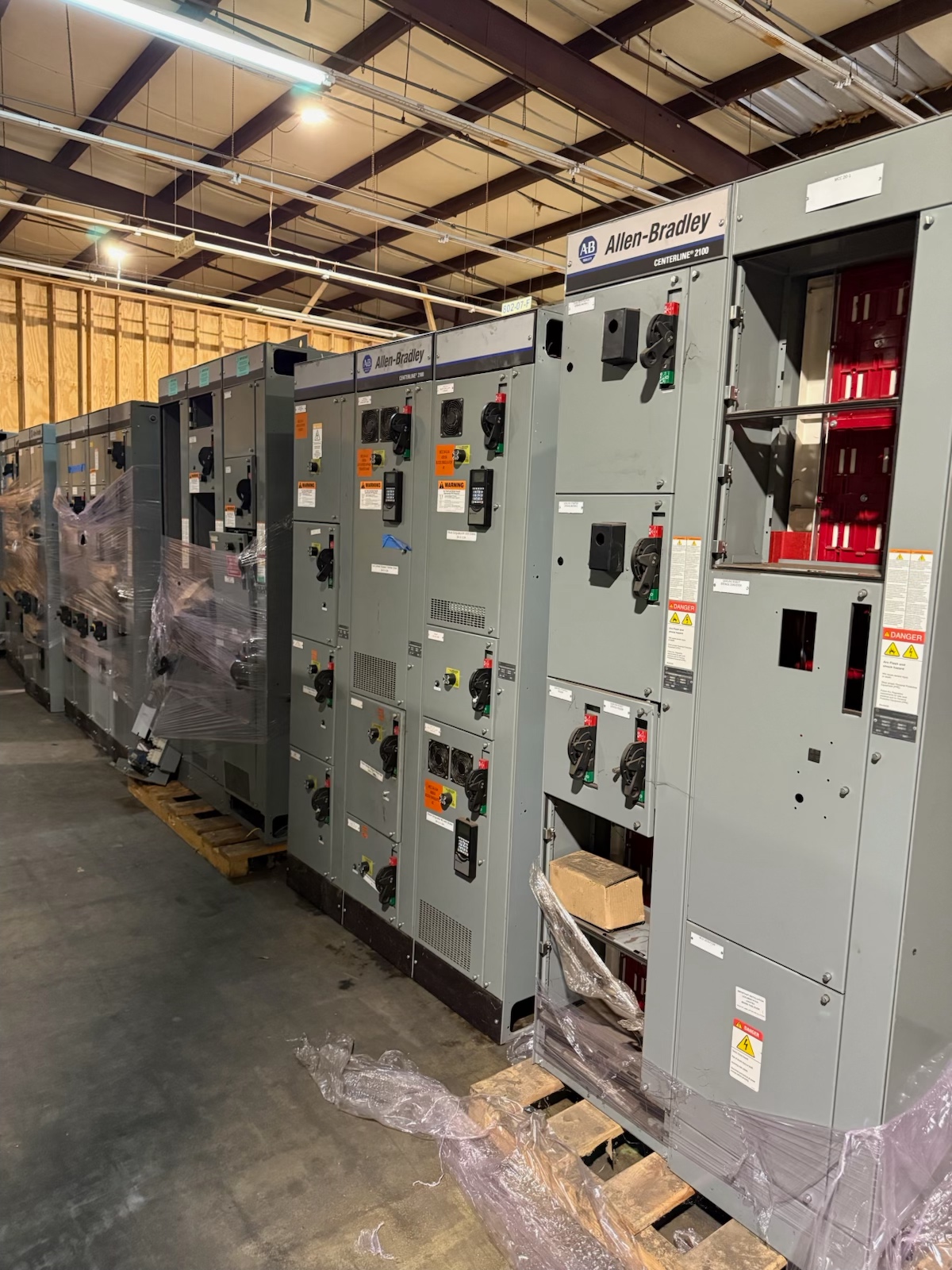
Identify each item by type and configuration: for example, a switchgear lineup, switchboard, motor control center, panelboard, busway section, transfer switch, breaker, or unit substation. Share manufacturer and model information from existing labels or records when available, plus voltage and ampere ratings as separately identified on the equipment or documentation. Neither rating determines the other, and neither by itself tells a rigger whether the item can use an elevator.
The critical measurements are for the transport configuration, not necessarily the assembled installation. Provide each section’s approximate width, depth, height, and weight if documented, and explain whether the lineup is joined, divided into shipping sections, mounted on a base, or accompanied by loose components. A hypothetical 30-inch-wide cabinet may still be unsuitable if its height exceeds the doorway or its weight exceeds the elevator limit.
Treat capacity and clearance as separate checks
An elevator’s rated load is only one part of the decision. The combined weight of the equipment, rigging or handling aids, and any other load must be considered against the applicable capacity and site rules. A rigger also needs to assess how the load will be positioned, supported, and controlled during entry and travel. Do not assume that a nominal cab dimension provides the same usable clearance at every point.
Doorway clearance, cab clearance, and turning space are different constraints. For instance, a hypothetical switchboard section might fit through the open doorway but be too long to orient inside the cab, or it might fit in the cab while its base catches at a threshold. These are reasons to share measurements early, not to attempt a trial move. Qualified professionals should evaluate the route and perform any required electrical, rigging, or removal work.
Send records and site details without taking risks
Useful information can often be gathered from existing asset schedules, drawings, nameplates visible from a safe location, maintenance records, and elevator documentation held by building staff. Provide clear photographs only when they can be taken safely from an accessible exterior position. Do not open an enclosure, touch conductors, operate equipment, test or measure electrical apparatus, or approach equipment that may be energized to obtain sale or removal details.
When documentation is incomplete, say what is known and what remains uncertain. Note visible damage, missing sections, water exposure reported in records, or whether the equipment’s status is unknown; avoid presenting an assumption as a verified condition. Ownership or authority to sell should also be clear. The buyer reviews the available details and discusses a specific offer and removal plan subject to that review, rather than treating an initial description as automatic acceptance.
Coordinate the elevator route with the removal plan
Share building access requirements, elevator reservation procedures, loading-dock arrangements, parking or truck restrictions, and any required site contacts. If the equipment is in a decommissioned data center or shut-down power plant, identify the relevant work area and describe known access constraints without assuming that all electrical work is complete or that equipment is de-energized. The buyer handles coordination for crane, rigging, disconnects, loading, freight, and hauling as applicable; sellers are not expected to dismantle, rig, test, or move the equipment.
The Illinois buyer purchases used, surplus, and decommissioned electrical equipment across voltage classes, including switchgear, switchboards, MCCs, panelboards, busway, transfer switches, breakers, and unit substations. Terms are cash offers, payment upfront, no seller testing required, and freight covered. Payment is made upfront, never after pickup. Share equipment and route information to begin a review; whether a particular item and freight-elevator route work depends on the details, with qualified professionals handling electrical work as appropriate.
Common questions
Which freight-elevator measurements should I send first?
Send the rated capacity, clear doorway width and height, and usable cab width, depth, and height. Include the elevator’s location and any known restrictions; a rigger can compare these with equipment-section dimensions.
Should I split a lineup or prepare it for the elevator before requesting an offer?
No. Do not dismantle, disconnect, or move equipment to test a route. Describe its current configuration and any documented shipping sections. The buyer coordinates applicable removal work, with qualified professionals involved as appropriate.
What if the equipment fits by dimensions but its weight is uncertain?
Share any existing records that list weight and clearly mark estimates or unknowns. Capacity and clearance both require review; do not infer weight from appearance or attempt a test move. Route feasibility remains subject to evaluation.