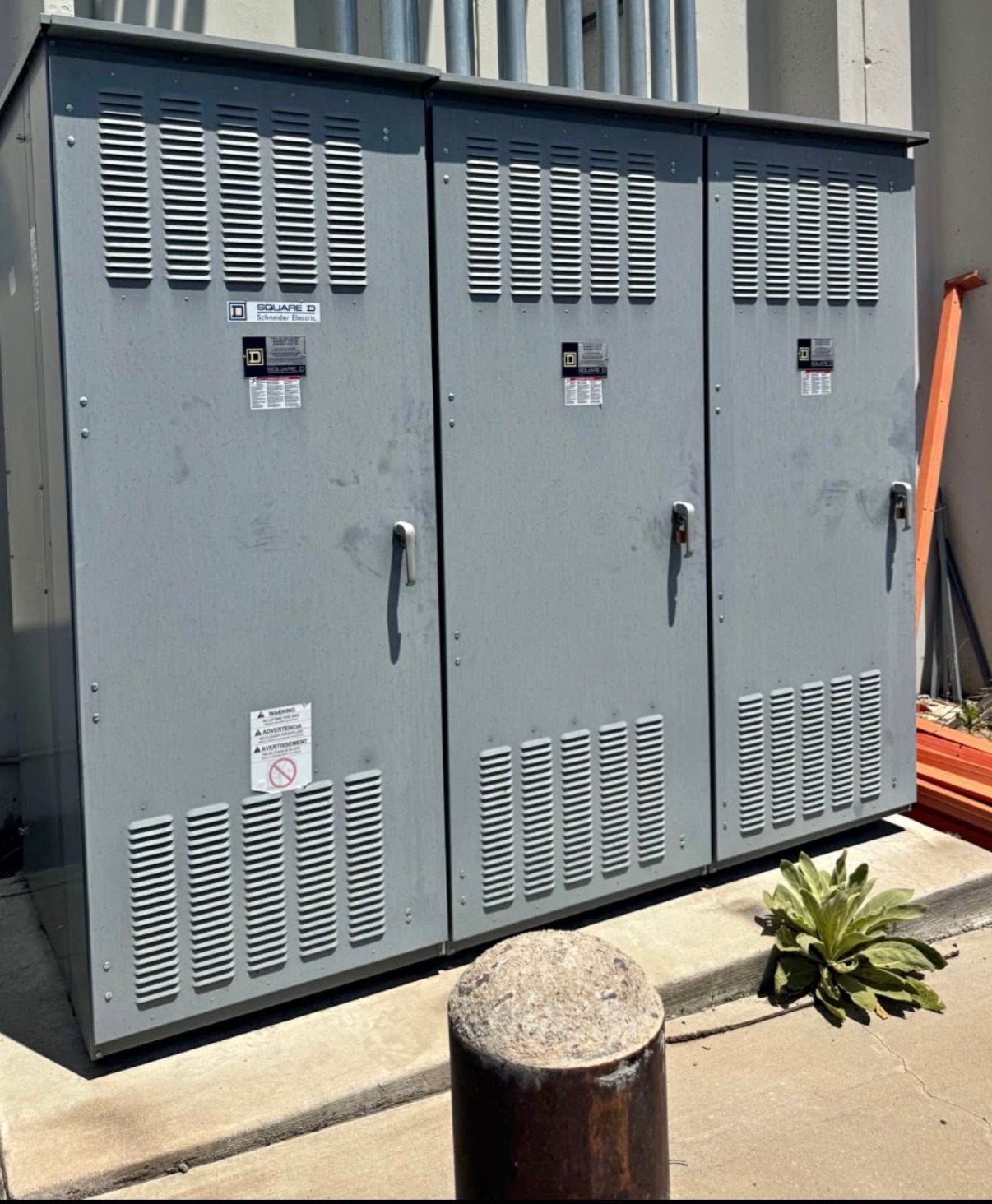
Describe the energized surroundings, not just the equipment for sale
When requesting a review, identify the equipment you may sell and explain what energized equipment is nearby, if known. Note whether the gear is in a shared lineup, beside operating switchgear, connected to a common bus, or located in a room that remains in service. These details help frame a responsible site discussion; they do not establish which parts are safe to approach or remove.
Be explicit about uncertainty. If you do not know whether adjacent sections remain energized, say so rather than guessing from a label, past operating practice, or the fact that one part of a lineup is out of use. A hypothetical example: a plant plans to retire one switchboard section while a neighboring section continues serving loads. That distinction belongs in the initial description, not as an assumption made during loading.
Have qualified site personnel define access and outage limits
A proposed sale or removal does not determine the electrical boundary. The site's qualified electrical personnel should establish whether isolation is required, which equipment and conductors are involved, what outage boundaries apply, and when access or removal may proceed. The buyer should not be asked to decide those matters from photographs or a seller's description, and a commercial offer is not authorization to enter an electrical work area.
Share the site's coordination requirements before scheduling physical work: who controls access, who can approve an outage, what operating restrictions apply, and how the site communicates a change in conditions. Do not ask anyone to open an enclosure, operate gear, touch conductors, test or measure equipment, or approach energized apparatus to gather information. Use existing records and exterior details only when they can be reviewed safely.
Make the equipment identifiable without assuming its rating
Useful information can include manufacturer, model or catalog number, serial number, approximate age, equipment type, visible nameplate details, and the number of sections or shipping pieces. Existing drawings, bills of material, maintenance records, and decommissioning lists may help clarify configuration. A page title, seller's shorthand, or description such as “480-volt panel” is not verified rating evidence; provide the source and context of any rating stated.
Keep voltage and amperage distinct. Voltage describes the electrical system rating, while amperage describes current capacity; one does not establish the other. A number on a label may refer to a component, a section, or another characteristic, so do not infer its meaning without documentation. If information is missing or uncertain, mark it as unknown for review rather than filling gaps with a guess.
Explain condition, ownership, and what remains in place
Describe the equipment's known status in practical terms: operating, spare, retired, incomplete, or awaiting decommissioning, as applicable. Mention known missing sections, visible damage, modifications, or documentation gaps without attempting a hands-on inspection. Be clear about whether control wiring, auxiliary devices, bus connections, or associated components are included, and whether the equipment is still part of an operating installation.
Confirm that you have authority to discuss a sale and identify any approval, asset-disposition, or site-owner review still needed. A buyer may consider switchgear, switchboards, MCCs, panelboards, busway, transfer switches, breakers, and unit substations across voltage classes, including surplus or decommissioned equipment. That does not mean every item or configuration will receive an offer; the specific equipment and circumstances require review.
Coordinate removal as a project, not a handoff at the door
Give the buyer a realistic picture of the route and work area using information already available: access hours, loading restrictions, doorway or overhead constraints, staging space, and known crane or rigging needs. Explain how the route relates to energized areas and any site-defined boundaries. Qualified professionals handle electrical work as appropriate, and removal logistics can include disconnects, rigging, loading, freight, and hauling; the seller is not expected to dismantle, rig, or move the equipment.
The Illinois buyer considers used, surplus, and decommissioned electrical equipment and can discuss cash offers, payment upfront, no seller testing requirement, and covered freight. Details remain subject to review, including the equipment and site plan. A sensible sequence is to send available records and exterior information, disclose energized adjacencies and outage constraints, answer follow-up questions, then coordinate access and removal only after site personnel determine the applicable isolation and permissions.
Common questions
Can I arrange removal if the neighboring lineup will stay energized?
Possibly, but the sale does not establish safe access. Tell the buyer what remains in service; qualified site electrical personnel must determine isolation, boundaries, permissions, and whether removal can proceed.
What should I send if the equipment label is hard to interpret?
Share existing records and safely accessible exterior label information, identifying what is uncertain. Do not open enclosures or approach energized apparatus to obtain details; voltage and amperage need separate verification.
Does the buyer require my staff to disconnect or move the gear?
No seller dismantling, rigging, or moving is required. Qualified professionals perform electrical work as appropriate, and removal logistics can cover disconnects, crane or rigging, loading, freight, and hauling, subject to coordination.