Document the Gear Without Opening It
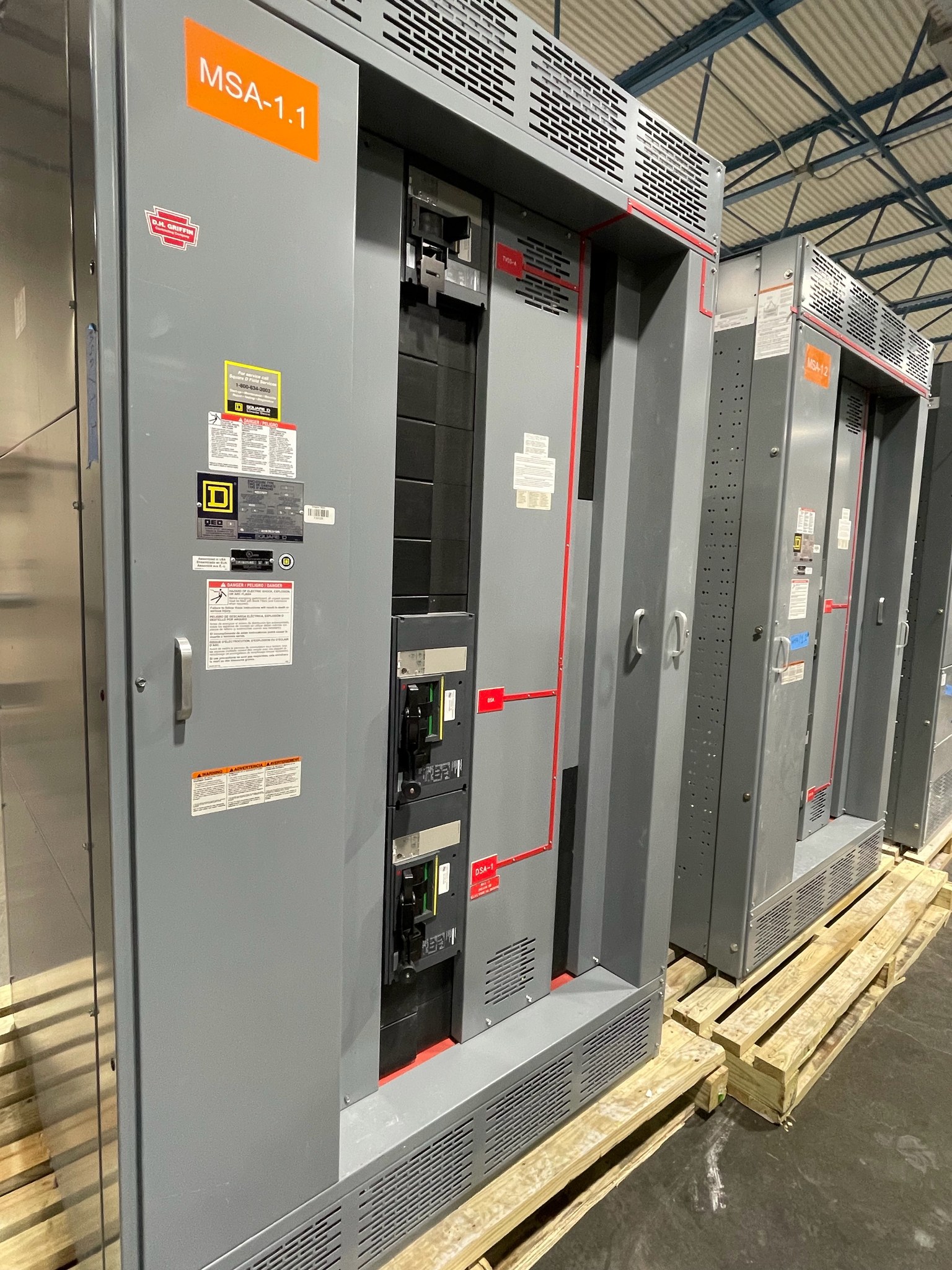
Start with existing records: nameplate photographs already available, maintenance files, one-line diagrams, purchase documents, or decommissioning inventories. These can help identify a manufacturer, model, configuration, and documented ratings. Do not open an enclosure or approach apparatus to obtain a better image. If a label cannot be read safely from an existing record or accessible exterior view, say so rather than guessing.
Keep voltage and ampere ratings distinct. A label or drawing may describe more than one value, and neither rating can be inferred from the other. A page title, site inventory description, or seller’s shorthand is not verified equipment data. Share the source and wording of any ratings you have, and flag uncertainty so the buyer can review the information rather than treating an estimate as fact.
Describe the Gate and Route as They Are
For a fenced location, report the gate’s approximate clear opening, whether it swings or slides, and any fixed posts, bollards, or nearby structures that constrain access. Include the route from the gate to the pad, not just the entrance. A hypothetical site with a wide gate but a sharp turn between fence lines may present a different access question from one with a narrower gate opening directly onto the pad.
Ground conditions matter too. Note whether the approach is paved, gravel, soil, or a mix, and whether it is level, sloped, rutted, or seasonally soft based on what you already know. Mention overhead branches, canopies, pipes, or other visible clearance limits, along with space around the cabinet. These are observations for a rigger’s assessment, not instructions to move or prepare anything.
Clarify Condition and What Is Included
Describe known condition in plain terms: stored outdoors, weather exposure, visible cabinet damage noted from a safe position, or whether the equipment is represented as complete or incomplete in existing records. Avoid claiming that gear is operational or de-energized unless reliable documentation supports that statement. No seller testing is required, and nobody should be asked to open, operate, touch, measure, or test the equipment for a sale inquiry.
Explain the configuration being offered. A pad-mounted unit may be one cabinet or part of a larger installation that includes adjacent sections, a separate transformer, metering, protection, or cable accessories. Identify what is included from paperwork or a safe exterior view, and distinguish attached equipment from nearby items that are not part of the sale. This prevents a review from relying on an assumed package.
Resolve Ownership and Site Coordination Early
Before discussing a transaction, confirm who has authority to sell the equipment and whether the site owner, landlord, utility, lender, or project owner must approve removal. Useful records may include an asset list, decommissioning authorization, or other ownership documentation. If the gear is part of a shut-down power plant or decommissioned data center, identify the project contact who can address access rules and coordinate with the buyer.
Site constraints may include scheduled entry, escort requirements, controlled gates, neighboring operations, or limits on vehicle access. Share applicable rules and the best contact for arranging a site review. Do not disconnect or dismantle equipment to make it more accessible. Qualified professionals handle electrical work as appropriate; the buyer coordinates assessment of disconnects, rigging, loading, freight, and hauling with the site team.
Share a Review Packet and Understand the Offer
A concise packet helps the buyer evaluate the opportunity: equipment records, available exterior photographs, approximate quantity, what is included, site location, gate and route observations, ground conditions, overhead clearance, and any known access restrictions. Manufacturers such as ABB, Eaton, GE, Siemens, or Schneider Electric can help identify equipment; their names do not imply a partnership or establish a verified rating. The buyer may ask follow-up questions before making a specific offer.
The Illinois buyer purchases used, surplus, and decommissioned electrical equipment, including pad-mounted gear and other equipment across voltage classes. Offers and details are subject to review; no particular item is guaranteed acceptance. The stated buying terms are cash offers, payment upfront, no seller testing required, and freight covered. If a sale proceeds, payment is upfront, never after pickup, and the buyer handles crane, rigging, disconnects, loading, freight, and hauling so the seller does not have to move or dismantle the gear.
Common questions
What access details should I send for a fenced pad?
Share the approximate gate opening, route turns, ground surface and slope, visible overhead restrictions, and space around the cabinet. Use existing knowledge or safe exterior observations; do not move barriers or equipment to improve access.
Do I need to disconnect or test the gear before requesting an offer?
No seller testing is required, and you should not operate or open the equipment. Describe what records show and any known site conditions; qualified professionals handle electrical work as appropriate if a transaction proceeds.
When is payment made, and who arranges removal?
Payment is upfront, not after pickup. The buyer covers freight and handles crane, rigging, disconnects, loading, and hauling. Specific arrangements remain subject to review of the equipment and site access.