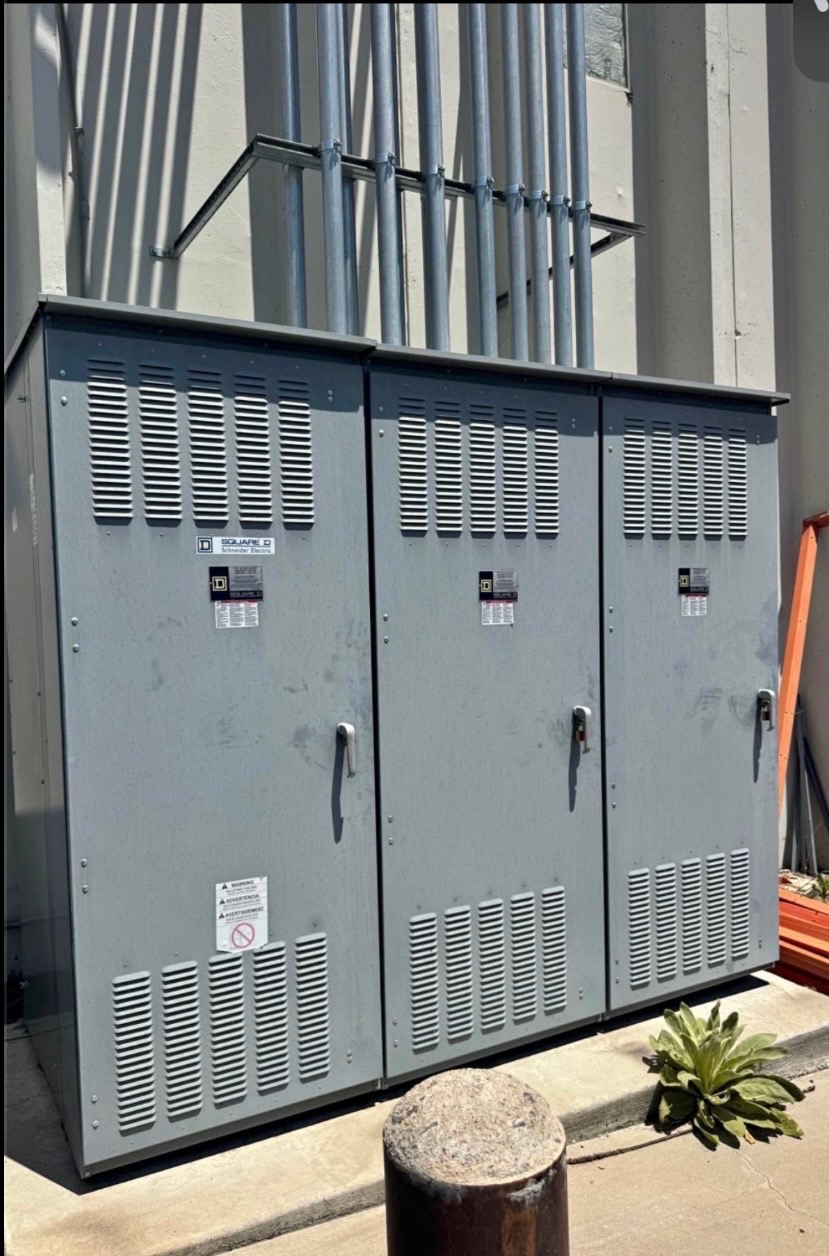
Separate ownership approval from removal permission
Before discussing a sale, establish that the organization proposing to sell actually owns the gear or has written authority to dispose of it. At an operating facility, ownership, maintenance responsibility, and removal approval may sit with different people. A property manager, asset owner, facilities team, or project lead may need to confirm who can authorize a transaction and who controls work at the site.
Then identify the person responsible for interpreting the site’s applicable labor arrangements and access rules. Requirements vary by location, project, contractor, and agreement; do not assume that a particular union must perform every task, or that an outside crew is automatically permitted. For example, a hypothetical plant owner might own a retired switchboard while its construction manager coordinates all removals. Confirm both authorities before setting expectations.
Make an inventory that distinguishes ratings from labels
Prepare an item list using information already available: equipment type, manufacturer, model or catalog number, quantity, and any readable nameplate details. Include whether the lot contains switchgear, a switchboard, motor control center, panelboards, busway, transfer switches, breakers, or a unit substation. Existing drawings, asset registers, maintenance records, and safely accessible exterior information can help identify equipment without opening enclosures or interacting with apparatus.
Record voltage and ampere ratings as separate fields, and use documentation to establish what each number means. A title such as “480V switchgear” or a seller’s description is not verified rating evidence by itself; likewise, an ampere figure does not establish voltage. If information is missing or unclear, say so and share the available records for review rather than guessing. Manufacturer names help identify equipment, but do not imply a relationship with the buyer.
Describe condition and configuration without field testing
A useful condition summary reports what the seller knows and how that knowledge was obtained. Note whether equipment is described in records as operating, stored, retired, incomplete, or of unknown status; mention visible exterior damage only when it can be observed safely. Identify missing components or documentation if known. No one needs to open a cabinet, touch conductors, operate equipment, test it, or approach energized apparatus to prepare an initial description.
Configuration can materially affect how a lot is reviewed. Explain whether equipment is offered as a complete lineup or as individual sections, and list associated breakers, bus, control components, or accessories only when supported by an inventory or records. A hypothetical seller offering a switchboard with separately stored breakers should identify that separation rather than presenting the items as an intact assembly. The buyer reviews the details before any specific offer is made; acceptance is not automatic.
Coordinate onboarding, escorts, and removal responsibilities
Ask the site’s designated project or labor contact what prerequisites apply to a buyer’s personnel and any removal contractor. Depending on the site, those may include contractor onboarding, insurance or safety documentation, an escort, approved work windows, or coordination with other trades. These are site-specific matters, not terms the seller should infer from union status alone. Share the actual requirements early so the proposed scope can be reviewed against them.
Agree in writing on who handles each practical step: any required disconnects, rigging, crane work, loading, freight, and hauling. The Illinois buyer handles crane, rigging, disconnects, loading, freight, and hauling as appropriate; the seller is not expected to dismantle, rig, test, or move the equipment. Qualified professionals perform electrical work as appropriate. Site rules still govern access and work authorization, so confirm how the buyer’s arrangements fit the site’s process before scheduling removal.
Keep the offer, payment, and site schedule distinct
When contacting the buyer, provide the inventory, available records, condition notes, ownership or disposal-authority contact, and a concise summary of site access requirements. The buyer can review that information and discuss a specific offer and removal details. Cash offers are available, payment is upfront—not after pickup—and the buyer covers freight. No seller testing is required. These terms do not guarantee an offer on every item; equipment details and the proposed transaction remain subject to review.
Treat commercial agreement and site scheduling as related but separate workstreams. A hypothetical facility might receive an offer for retired motor-control equipment while its project manager still needs to approve onboarding and an escort window. Do not represent that removal is cleared until the responsible site contact confirms it. Once responsibilities and access conditions are understood, coordinate the agreed scope and schedule with the buyer, rather than asking site personnel to assume that payment alone authorizes entry or work.
Common questions
Does union control mean the seller must hire a particular crew to remove the equipment?
Not necessarily. Labor obligations depend on the site and applicable arrangements. Ask the responsible labor or project contact to identify the rules, then confirm how the buyer’s removal plan can comply before scheduling work.
What should I send if the equipment nameplate is hard to read?
Share existing drawings, asset records, model information, and safely accessible exterior details, noting what remains uncertain. Do not open equipment or test it to fill gaps; the buyer can review the available information.
Can payment wait until the site has completed its onboarding and approved removal?
Payment is upfront, not after pickup. Site onboarding and access approval still need coordination, and the specific offer and transaction details are subject to review before the parties proceed.