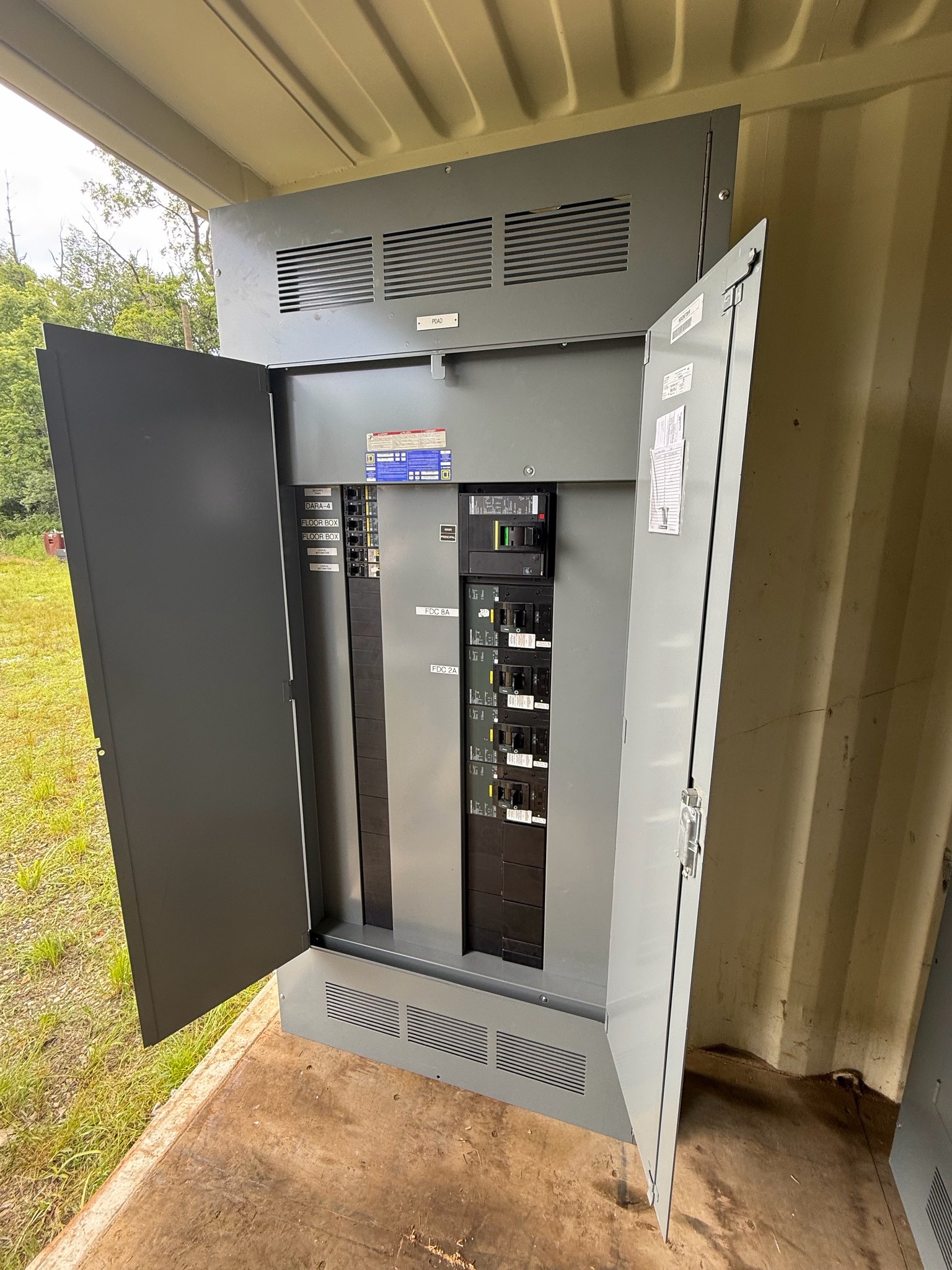
Describe the interface, not just the cut cable
A cable ending near a piece of electrical gear does not, by itself, identify the equipment’s condition or configuration. In an inventory, distinguish an external cable that has been disconnected from a conductor or lead that is included with the equipment. Note which unit the cable was associated with, where the cut end is in relation to it, and whether the cable is being offered as part of the lot. Existing drawings, work orders, or an electrician’s records may clarify the arrangement without anyone inspecting inside an enclosure.
For example, a hypothetical switchboard may have had its incoming cable disconnected during a facility shutdown, while its outgoing feeder conductors were removed separately. Those details describe different sale configurations, even if both are summarized as “cables cut.” Identify the equipment by its documented name and type—such as switchboard, MCC, panelboard, busway, or breaker—and keep the cable description separate from the equipment’s ratings. A page title or seller shorthand is not verified voltage or ampere information.
Report visible terminal damage without investigating it
Existing photographs or closeout documentation may show a bent lug, a missing terminal cover, or visible damage near a cable interface. Report what is already documented or safely visible from outside; do not remove covers, reach into equipment, touch conductors, or try to determine whether a terminal is live. If the equipment’s electrical status is uncertain, leave assessment and any required isolation to qualified professionals responsible for the site.
Use neutral descriptions rather than diagnosing a cause. “Visible deformation at the lower cable connection in an existing exterior photo” is more useful than asserting that a terminal is burned or electrically defective when no qualified evaluation supports that conclusion. A hypothetical breaker listing might note that its label is legible, the cable connection is not included, and a mark is visible near the terminal area. That gives a buyer information to review while preserving uncertainty about condition.
Clarify whether conductors travel with the equipment
State explicitly whether conductors are included, excluded, or not yet confirmed. If included, describe their known relationship to the equipment and whether they remain attached, are separate, or are bundled with other sale items, using records rather than hands-on inspection. If excluded, say so. This prevents a buyer from assuming that a cable visible in a photograph is part of the transaction or that a cut end means a complete cable set is available.
A hypothetical transfer-switch package could consist of the switch alone, with incoming and outgoing cables already removed by an electrician. Another hypothetical package might include separately identified cable lengths documented in an inventory. These are different offerings and should be described separately. Do not estimate conductor size, material, or condition from a distant image; provide reliable paperwork if available, and mark any unknowns as unknown rather than filling gaps with guesses.
Give the buyer a useful equipment record
Useful details usually begin with manufacturer, model or catalog number, equipment type, and any legible nameplate information already available in records or from a safely accessible exterior view. Include the site’s own asset tag if it helps match photographs to an inventory. Keep voltage and ampere ratings distinct: one does not establish the other, and neither should be inferred from an equipment title, cable size, or another unit’s documentation.
A compact inventory can also describe approximate quantity, the equipment’s role in the former system, whether cable interfaces are cut or disconnected, and any known visible damage. Attach existing photographs only if they can be provided safely and lawfully. For example, a hypothetical MCC record might identify a manufacturer and model while noting that the documented current rating is available but the voltage rating is not confirmed. Clear limits on what is known are useful buyer information, not a reason to improvise.
Coordinate the sale around qualified site work
For equipment from a decommissioned data center, shut-down power plant, or another facility, explain what work is complete and what remains, based on the responsible site team’s records. Qualified electricians perform electrical isolation and disconnection as appropriate. The seller is not asked to dismantle, rig, load, test, or move the gear. Crane work, rigging, disconnects, loading, freight, and hauling can be handled as part of the buyer’s coordination, with site access and pickup arrangements reviewed for the particular offer.
The Illinois company buys used, surplus, and decommissioned switchgear, switchboards, MCCs, panelboards, busway, transfer switches, breakers, and unit substations across voltage classes. It reviews equipment and sale details before making a specific offer; not every item or configuration is automatically accepted. If an offer is agreed, payment is upfront, not after pickup, and freight is covered. The seller can start with an inventory and existing documentation, then discuss access, equipment configuration, and logistics without performing electrical work.
Common questions
Should I describe a cut cable as damage?
Not automatically. Record whether it is a disconnected external cable, whether conductors are included, and any damage already documented or safely visible. Leave technical assessment and electrical work to qualified professionals.
What if I cannot confirm the equipment voltage or ampere rating?
Say which rating is unconfirmed and share available nameplate records, model information, or inventory documents. Do not infer voltage from amperage, cable details, or a listing title; the buyer can review the information.
Who handles disconnects and moving equipment with cut-cable interfaces?
Qualified professionals perform isolation and disconnection as appropriate. The buyer can coordinate disconnects, rigging, loading, freight, and hauling for a reviewed offer; the seller is not expected to test, dismantle, or move the gear.