Compare the net outcome, not just the offer amount
A cash offer can look favorable or modest until you account for the work and costs attached to transferring the equipment. Put the proposed payment beside any documented seller expenses: contractor labor, rigging, crane time, loading, freight, hauling, permits or site-specific access requirements. Ask who is responsible for each item and whether the offer depends on a particular scope. Do not treat a general statement about removal as proof that every cost is covered.
For example, hypothetically, a seller may have a contractor’s estimate for disconnect coordination and a separate site estimate for crane access. Another buyer may propose handling rigging, loading and freight, while leaving a facility-required service outside its scope. Comparing those arrangements means recording the actual responsibilities, not subtracting a guessed removal allowance from an offer. A specific offer and removal plan remain subject to review of the equipment and site details.
Identify the equipment from records, not assumptions
Gather existing nameplates, schedules, one-line diagrams, purchase records and asset lists where safely accessible. Useful identifiers include manufacturer, model or catalog number, serial number, equipment type, quantity and documented ratings. Switchgear, switchboards, motor control centers, panelboards, busway, transfer switches, breakers and unit substations may all be considered, across voltage classes. A manufacturer name identifies equipment; it does not establish a relationship with the buyer or confirm its present condition.
Keep voltage and ampere ratings distinct. A label, drawing or seller description may refer to different equipment characteristics, and a page title or informal inventory entry is not verified rating evidence. Do not infer voltage from amperage, or amperage from voltage. If records conflict or a rating is unclear, report the discrepancy and share available documentation for review rather than guessing or opening an enclosure to investigate.
Describe condition and configuration precisely
Condition affects evaluation, but a seller does not need to perform testing for this buyer. Note what is already known from maintenance records or prior inspections: storage history, visible exterior damage, missing sections, known faults, modifications, or whether the equipment is surplus following a shutdown. Distinguish recorded facts from assumptions. Do not operate equipment, test it, touch conductors, open enclosures, or approach apparatus that may be energized to obtain information.
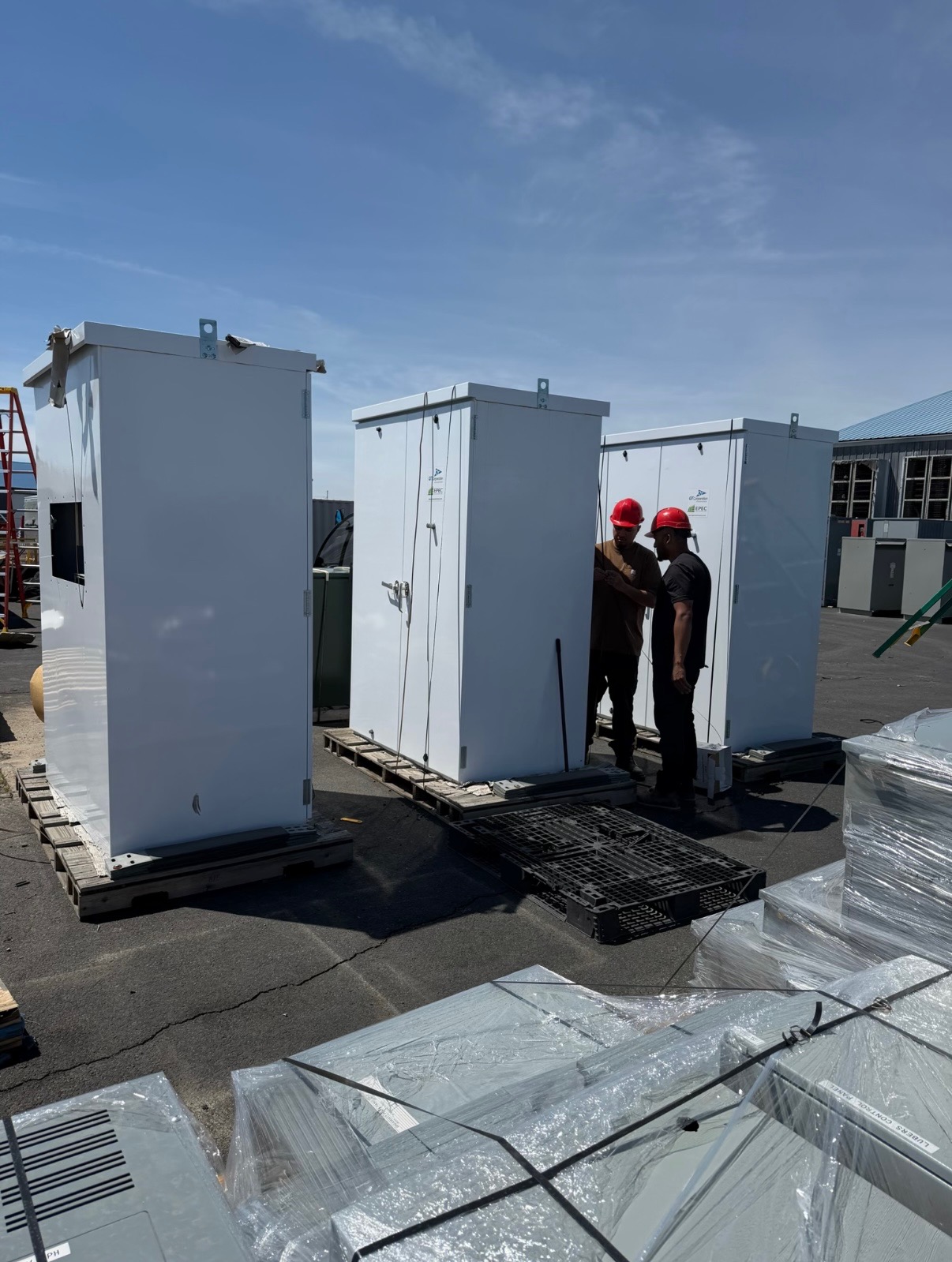
Configuration matters to removal as well as identification. Explain whether equipment is a complete lineup or individual components, whether busway includes straight sections and fittings, and whether breakers or accessories are included. Hypothetically, a motor control center described as one unit might consist of several sections with different handling requirements. Existing layout drawings and inventory lists can clarify that distinction without requiring the seller to dismantle or move anything.
Document site responsibilities before scheduling work
Removal planning should be based on the facility’s actual access rules and the buyer’s proposed scope. Share relevant information already available about doors, dock access, overhead clearance, staging space, operating hours, security check-in and any known crane or rigging constraints. Identify the site contact who can coordinate access and explain facility procedures. Do not assume that a buyer’s coverage of freight automatically settles separate site charges or approvals; ask how each documented responsibility is handled.
The buyer purchases used, surplus and decommissioned electrical equipment in Illinois, including equipment from decommissioned data centers and shut-down power plants. For an accepted, reviewed transaction, the company handles crane, rigging, disconnects, loading, freight and hauling, and covers freight. Qualified professionals perform electrical work as appropriate. The seller is not expected to dismantle, rig, load, test or move the equipment. Any facility-specific costs or responsibilities should be confirmed in the offer and removal plan.
Build a clear offer-to-pickup record
Send an organized inventory, available photographs of safely accessible exterior information, relevant documents, approximate quantities, location details and known access constraints. State who owns the equipment and whether any lien, lease, project, or other party’s approval could affect the sale. A buyer can then review what is being offered and ask focused questions. No particular price or acceptance should be assumed from an initial description; equipment, documentation and removal details are subject to review.
Before agreeing, ask for the payment amount and timing, the equipment included, the stated removal scope, and any costs or duties that remain with the seller. This Illinois buyer makes cash offers, pays upfront rather than after pickup, requires no seller testing, and covers freight. Confirm those terms for the specific transaction in writing alongside access coordination and any exceptions. That record makes the comparison with documented labor, rigging and freight responsibilities more reliable.
Common questions
If the buyer covers freight, should I assume all removal expenses are included?
No. Freight coverage does not by itself define responsibility for every site, contractor, permit or access charge. Compare the written offer and removal scope with documented expenses, and ask who handles each item before agreeing.
Do I need to test or dismantle equipment to get an offer?
No seller testing is required, and the seller is not expected to dismantle, rig, load or move equipment. Share existing records and safely accessible exterior information; qualified professionals handle electrical work as appropriate.
What information helps clarify a removal plan for a large lineup?
Provide an existing inventory or layout, section count, known dimensions, location, access rules and available staging details. Note uncertainty rather than estimating ratings or configuration; the buyer can review those details with the proposed scope.