Start with the equipment record, not a roof-side inspection
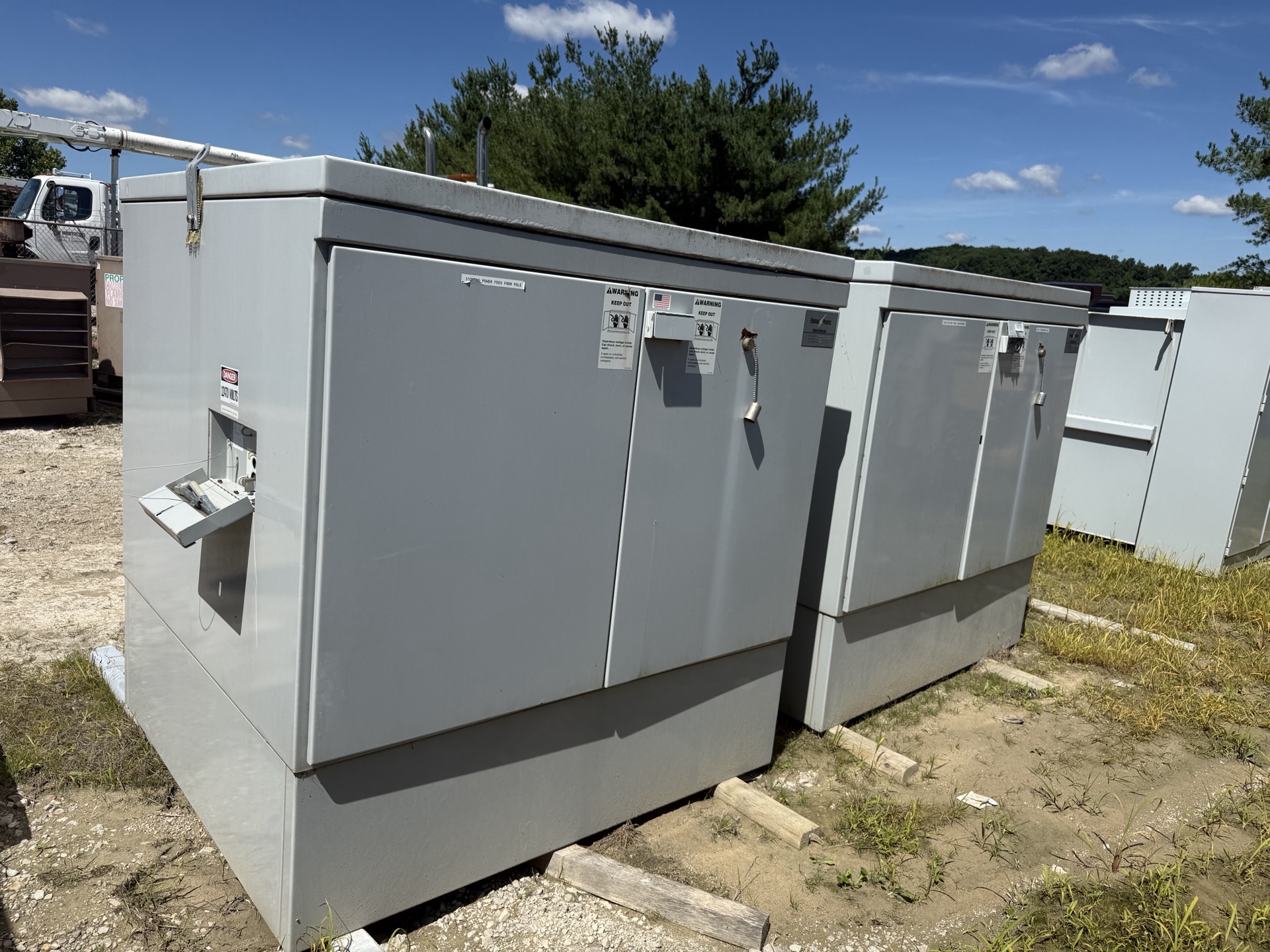
Build an initial description from records already available: equipment type, manufacturer, model or catalog numbers, serial number, and documented ratings. A rooftop lineup might include switchgear, a switchboard, an MCC, a panelboard, busway, a transfer switch, breakers, or a unit substation. Identify each item separately where possible; a building description such as “roof electrical room” does not establish what equipment is present.
Keep voltage and ampere ratings distinct. Voltage describes the electrical system rating; amperage describes current capacity. Do not derive one from the other or treat a page title, handwritten note, or seller’s shorthand as verified equipment data. If records are incomplete, say so. Existing drawings, schedules, nameplates visible from a safely accessible exterior, and maintenance files can help a buyer review the equipment without asking anyone to open an enclosure or approach energized apparatus.
Make weight and configuration information useful for planning
Weight documentation can be especially important when equipment sits above occupied floors or behind a constrained roof route. Look for manufacturer shipping weights, equipment schedules, prior rigging records, or other existing documents. Note whether a stated figure applies to a complete lineup, one section, or a component. Treat undocumented estimates as estimates—not as certified lift weights—and do not try to establish a weight by moving or dismantling equipment.
Configuration matters alongside weight. Record whether sections are bolted together, whether a lineup includes separate transformers or auxiliary cabinets, and whether bus connections or removable components are shown in existing drawings. For example, a hypothetical three-section switchboard may have a documented total shipping weight but no section-by-section breakdown. That is useful information to disclose; qualified rigging and engineering specialists must determine what additional review is needed before any lift.
Treat roof access and crane permissions as project constraints
Describe the route from equipment to the roof edge or planned lifting point using information the site already has: access-door dimensions, stairs or freight-elevator limitations, roof openings, parapets, and any known restrictions on moving loads through the building. A rooftop electrical room with a clear exterior lifting area presents different coordination questions from equipment reached through a narrow interior corridor. Neither description, by itself, establishes that removal is feasible.
Crane placement can depend on property permissions, street or sidewalk controls, neighboring access, overhead conditions, and local permitting requirements. Requirements vary by site and proposed operation, so avoid assuming that a crane can be positioned simply because a roof is visible from the street. A hypothetical seller might know that a loading area is shared or that a roof hatch is the only documented route. Share those constraints early; specialists assess the lift method, permits, and site-specific feasibility.
Leave structural review and lift design to qualified specialists
A seller can provide records and explain known site conditions, but should not calculate roof capacity, select rigging, specify crane reach, or decide how equipment should be broken down. Those judgments require suitable professional review of the equipment, building, access path, lift points, and proposed operation. No general checklist can substitute for a site-specific lift plan or structural assessment.
Likewise, do not open enclosures, operate switches, touch conductors, test equipment, or take measurements to prepare a sale description. Electrical status should not be assumed from appearance or from the fact that a building is being decommissioned. Qualified professionals perform electrical work as appropriate. Safe, existing exterior information and paperwork are enough for an initial discussion; any further site work should be arranged and carried out by the responsible professionals.
Coordinate the review, offer, and removal scope clearly
When contacting the Illinois buyer, provide the equipment list, available photographs taken from safe locations, existing documentation, known condition, ownership or authority to sell, and relevant roof-access or crane constraints. Mention whether the equipment is surplus, from a decommissioned data center, or from a shut-down power plant. A clear note about missing records or uncertain configuration is more useful than presenting an unverified rating as fact.
The company reviews the information and discusses a specific offer and removal details; acceptance and scope remain subject to review. Its terms include a cash offer, payment upfront rather than after pickup, no seller testing requirement, and covered freight. It handles crane, rigging, disconnects, loading, freight, and hauling, so the seller is not expected to dismantle, rig, or move the equipment. Qualified professionals perform electrical work as appropriate.
Common questions
What rooftop information should I send if I do not have certified equipment weights?
Send available schedules, manufacturer documents, drawings, and any prior weight records, identifying what each figure covers. Clearly label estimates and gaps; do not dismantle equipment or attempt to weigh it.
Do I need to arrange the crane or obtain permits before requesting an offer?
No. Share known access limits, property restrictions, and permit concerns during the review. Crane planning and site-specific requirements need specialist assessment; do not assume a route or lift is approved.
Does rooftop location mean I must disconnect or move the equipment before pickup?
No. The buyer handles disconnects, rigging, loading, freight, and hauling under the reviewed arrangement. Qualified professionals perform electrical work as appropriate; payment is upfront, not after pickup.