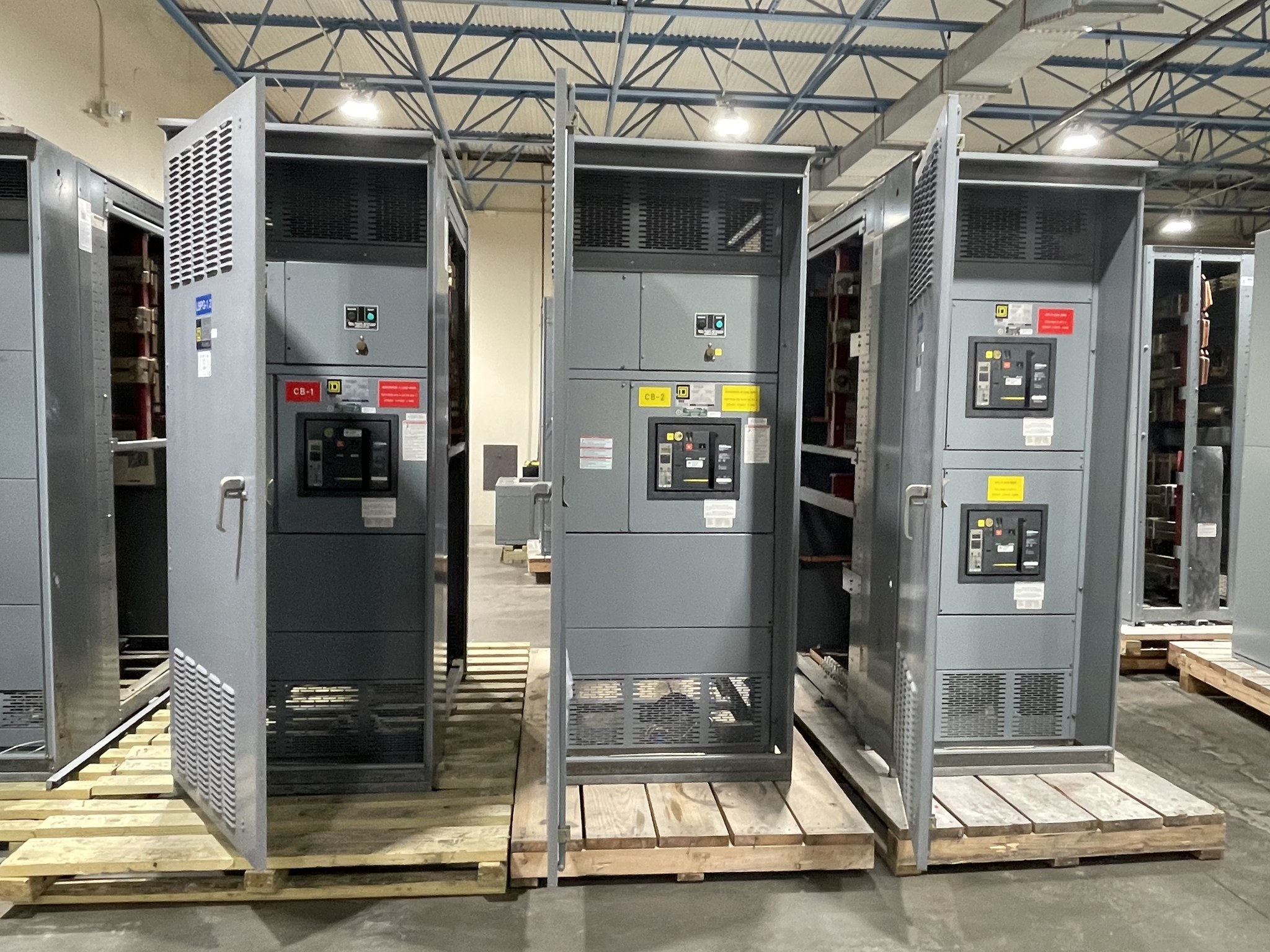
Build a usable record of the time outdoors
Start with a timeline rather than a guess about condition. Note when the equipment was removed from service, when it was placed outdoors, any periods spent under cover, and whether it was moved between sites. If dates are approximate, label them as estimates. Old work orders, decommissioning records, inventory sheets, or dated photographs may help establish the sequence without requiring anyone to handle the equipment.
Duration matters, but it is only one part of the picture. A hypothetical lineup kept outside for six weeks beneath a sound roof has a different documented history from one exposed through several seasons; neither description, by itself, establishes saleability. Include gaps in the record plainly. A buyer can review known facts and uncertainties together instead of relying on an unsupported claim that the gear is weatherproof or unaffected.
Describe the covering and exposure honestly
Record what protected the equipment and how that protection was arranged: a building roof, a storage shelter, a fitted cover, or a tarp, for example. Note whether the cover remained in place, was secured, or was replaced, and whether sides were open to wind-driven rain or snow. These details are more informative than simply calling equipment “covered,” which can mean very different things from one storage arrangement to another.
From a safe distance, describe only what is already visible on the exterior, such as a torn cover, standing water nearby, faded paint, rust staining, or impact to a cabinet. Do not open enclosures, touch conductors, operate devices, or approach apparatus that may be energized. If the equipment’s electrical status is uncertain, say so. Existing photographs and records are preferable to creating a new inspection or test.
Separate visible damage from assumptions about condition
Use neutral observations instead of conclusions. “Rust-colored marks visible on the lower door” is more useful than “internals are damaged,” unless a qualified inspection record actually supports that conclusion. Likewise, a clean exterior cannot verify internal condition. Share known incidents—such as a reported leak, storm exposure, or collision—and identify whether each detail is documented, remembered, or still unknown.
Outdoor exposure may affect review, but it does not lead to an automatic promise of restoration, reconditioning, or purchase. For instance, a hypothetical seller might have dated photographs showing a cabinet remained covered while its packaging was damaged; the buyer would still need to assess the specific equipment and available information. Do not arrange testing or dismantling just to improve the description. No seller testing is required for an initial offer review.
Identify the equipment and its configuration from records
Send the equipment type and the identification details available in existing paperwork or safely accessible exterior information. Useful records may list manufacturer, model, serial number, lineup or section count, and the original project description. Include whether the item is switchgear, a switchboard, MCC, panelboard, busway, transfer switch, breaker, or unit substation. Manufacturers help identify equipment; they do not imply an affiliation or establish its condition.
Keep voltage and ampere ratings distinct, and report each only when supported by documentation. Neither rating can be inferred from the other, and a page title or seller description is not verified rating evidence. If a label’s purpose or context is unclear, provide a photograph or transcription as unverified information rather than interpreting it. Mention included components, removed sections, loose parts, and packaging so the buyer can understand what is actually being offered.
Coordinate ownership, site access, and the transaction
Before discussing removal, confirm who has authority to sell the equipment and whether any asset list, decommissioning record, or site approval governs its release. Describe where it sits, whether it is indoors or outdoors now, and any known access limits for trucks or lifting equipment. Be candid about uncertainty around disconnects or the equipment’s operating status; qualified professionals handle electrical work as appropriate, and you should not perform work for the sale.
The Illinois buyer purchases used, surplus, and decommissioned electrical equipment across voltage classes, including gear from shut-down power plants and decommissioned data centers. Share the inventory, photographs, storage timeline, and site details for review; a specific offer depends on the equipment and information provided, and not every item is guaranteed acceptance. For a purchase, payment is upfront, no seller testing is required, and freight is covered. The buyer handles crane, rigging, disconnects, loading, freight, and hauling, so the seller’s role is to provide information and receive payment—not dismantle, move, or rig the equipment.
Common questions
Should I arrange an inspection or test because the switchgear was stored outside?
No seller testing is required for an offer review. Share existing records and safe exterior photographs instead; do not open enclosures, operate equipment, touch conductors, or approach apparatus that may be energized.
What if I cannot establish exactly how long the gear was outdoors?
Give the best-supported estimate, state what period is unknown, and include any dated documents or photographs available. A clear gap in the storage history is more useful than presenting an estimate as a verified date.
Does a cover or minor-looking rust mean the buyer will accept the equipment?
Neither fact guarantees acceptance or reconditioning. Describe the covering and visible exterior marks accurately, then provide identification and configuration details so the specific equipment can be reviewed before any offer is made.