Define the equipment and the sale boundary first
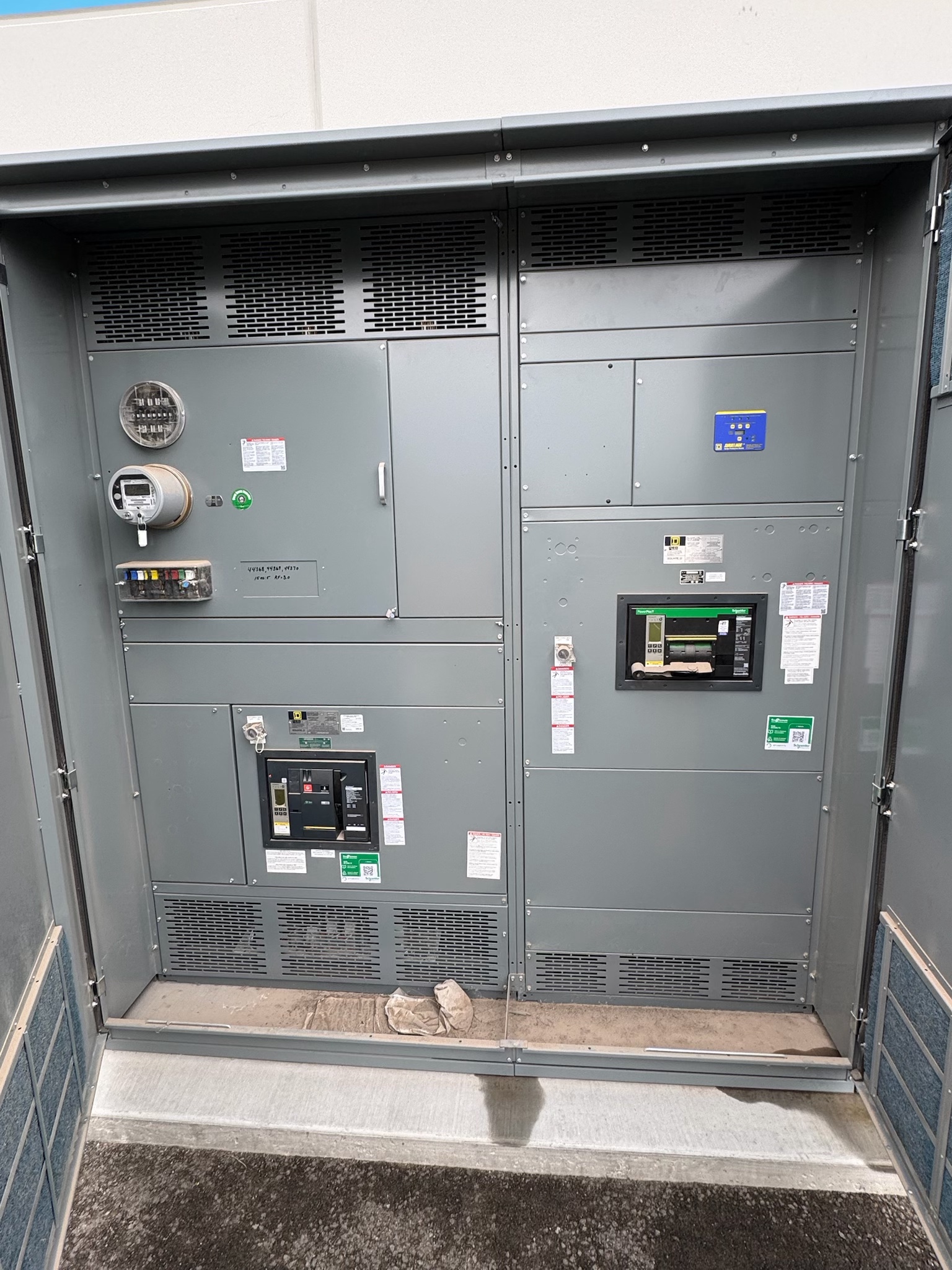
Before discussing staging, create an inventory that identifies each item as precisely as existing records allow: equipment type, manufacturer, model or catalog number, serial number, and any visible nameplate ratings. Keep voltage and ampere ratings distinct; one does not establish the other. Note accessories, drawout components, or related sections only when records or safely accessible exterior information support the description.
Clarify what is included in the proposed sale and what stays with the site. For example, a hypothetical switchgear lineup might be offered with its associated breaker units but not with spare parts stored elsewhere. Existing drawings, asset lists, and exterior labels can help resolve scope. Do not open enclosures, operate equipment, or approach energized apparatus to fill gaps; flag uncertain descriptions for review.
Choose a staging area that fits the site plan
A staging area is a coordination choice, not a request for the seller to move or dismantle equipment. The seller and prospective buyer can discuss whether items will remain in their current location until a coordinated pickup or, if the site independently arranges a suitable area, be staged there. Consider access routes, floor or ground conditions, overhead obstructions, other work in progress, and any site-specific access controls when planning the arrangement.
A hypothetical seller may have a panelboard in a room scheduled for renovation while a larger switchboard remains in a restricted plant area. Those items need not share one staging plan. Identify where each can be accessed, who can authorize entry, and whether the proposed pickup window conflicts with contractors or site operations. The buyer handles crane, rigging, disconnects, loading, freight, and hauling as coordinated; qualified professionals perform electrical work as appropriate.
Put custody and risk transfer in plain language
Agree in writing on when custody changes and what event marks the transfer of risk. Possible milestones to discuss include acceptance of the offer, a scheduled pickup, or removal from the site, but the parties should choose terms that match the transaction rather than rely on assumptions. Record who may access the equipment before that point and how changes to the pickup plan will be communicated.
A sale made before equipment leaves the site can leave practical questions unanswered unless the agreement addresses them. For instance, if the site needs to relocate an item after the offer but before pickup, establish who must approve that change and how its identity and location will be confirmed. Do not treat a staging label or a verbal understanding as a substitute for written scope, custody, and risk terms.
Coordinate loading without shifting the work to the seller
Discuss site access early: entry procedures, available pickup hours, check-in requirements, route restrictions, and a site contact who can explain local logistics. Share known constraints and relevant site rules before a pickup is arranged. The buyer covers freight and handles the crane, rigging, disconnects, loading, and hauling; the seller is not expected to dismantle, test, rig, or move the equipment.
No plan should presume that equipment is de-energized or that electrical work has already been completed. The parties can coordinate the necessary work and access with qualified professionals as appropriate, while avoiding requests for unqualified site personnel to interact with the equipment. Keep the agreed loading boundary clear: who authorizes access, what area must be available, and how the parties will address a delay or changed site condition.
Confirm ownership, condition notes, and payment terms
A prospective buyer needs enough information to review the equipment and the seller’s authority to sell it. Gather available asset records, purchase or disposition documentation, and any applicable internal approvals. Describe known condition limits factually, such as missing components or incomplete records, without making unsupported claims about operational status. Testing is not required from the seller, and no one should be asked to open or test equipment for the sale.
An Illinois buyer of used, surplus, and decommissioned electrical equipment may review switchgear, switchboards, motor control centers, panelboards, busway, transfer switches, breakers, and unit substations across voltage classes. The communication process can begin with an inventory, available records, location, access constraints, and photographs limited to safely accessible exterior views. Any offer and transaction details remain subject to review. Stated terms are cash offers, payment upfront, and freight covered; payment is upfront, never after pickup.
Common questions
Can equipment remain in its installed location until the buyer coordinates pickup?
That can be discussed as part of the staging plan. The parties should document access, custody, risk transfer, and the pickup boundary. The seller is not expected to disconnect or move equipment.
What should we agree on if site work may change the equipment’s location before pickup?
Identify who can authorize relocation, how the item’s identity and new location will be recorded, and whether the change affects the agreed terms. Resolve this in writing before site staff act.
Does the seller need to test or prepare equipment for loading?
No seller testing is required. The buyer handles disconnects, rigging, loading, freight, and hauling as coordinated, with qualified professionals doing electrical work as appropriate. Payment is upfront, not after pickup.