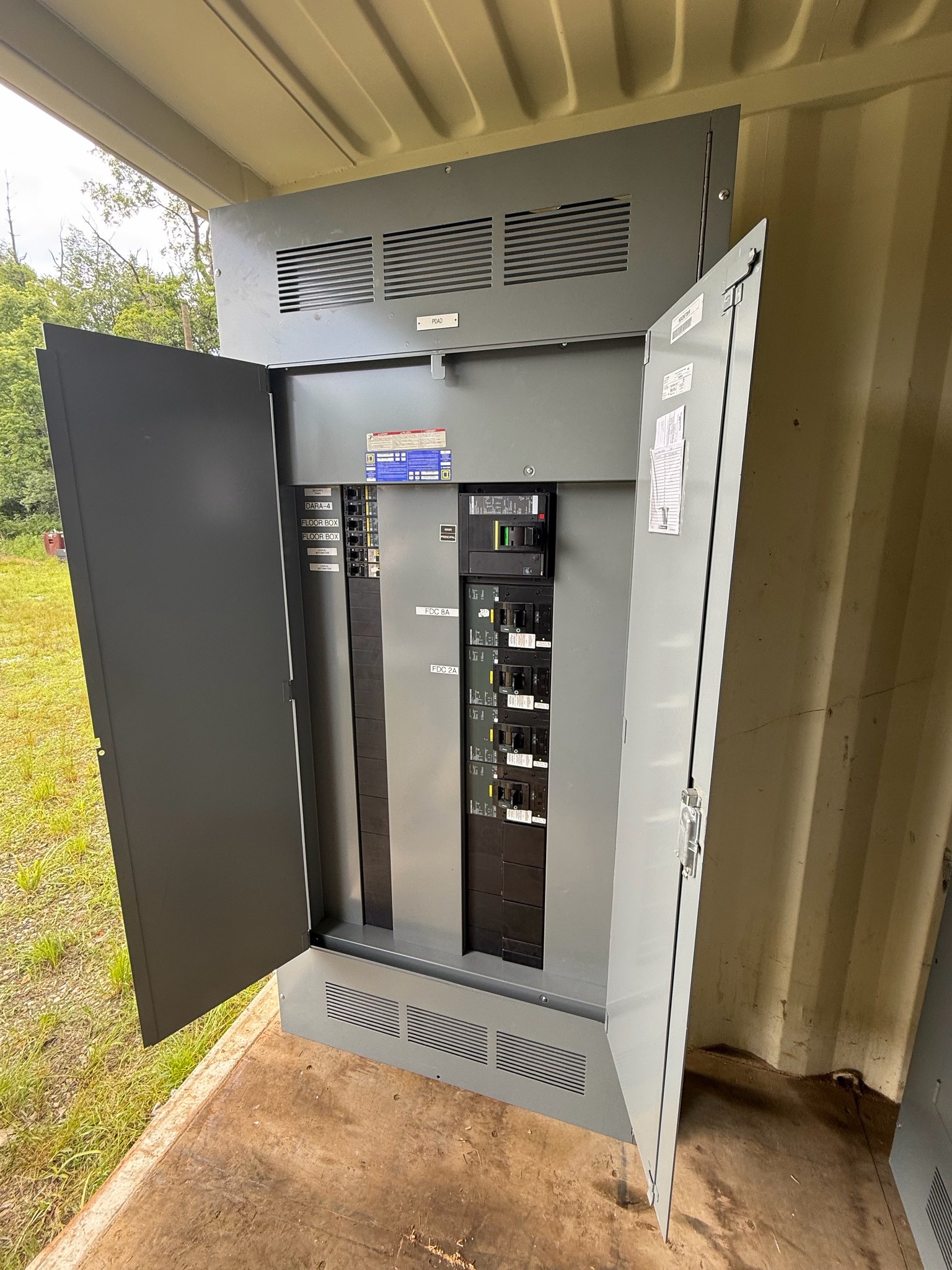
Separate the collector package from its electrical feeder
Start by describing the switchgear as the electrical equipment that supplied or controlled the dust-collection system, rather than listing it simply as “dust collector.” The collector may include a fan, ductwork, filter house, rotary valve or other process equipment; the switchgear is a separate electrical asset. State whether the offer inquiry concerns only the electrical lineup or a larger group of equipment, and identify any items that are excluded.
A hypothetical example: a foundry has one lineup feeding a collector fan and several associated loads, while the collector housing and ductwork will be handled by another contractor. The seller could describe the lineup, note that it served the dust collector, and clarify that the mechanical equipment is not included. This distinction helps a buyer assess the electrical equipment without assuming that every connected component is part of the proposed sale.
Build an inventory from existing records and safe exterior information
Useful details often exist in shutdown files, equipment schedules, one-line diagrams, maintenance records and prior asset lists. Record manufacturer, lineup or section count, any documented voltage and ampere ratings, breaker makes and catalog numbers, and available control or metering components. Keep voltage and ampere information separate: neither rating can be inferred from the other, and a page title or seller’s shorthand is not verified rating documentation.
List the feeder breakers individually where records permit, including known trip units, frame information and whether a breaker is shown as installed, spare or removed. Note controls that appear associated with the collector, such as starter or control sections, but do not infer their function from appearance alone. Do not open enclosures, operate equipment, touch conductors, test, measure or approach energized apparatus. Use existing paperwork or information safely visible from outside.
Describe foundry dust exposure candidly, without guessing at condition
Dust history is relevant because foundry operations can produce fine particulate and deposits may occur in or around electrical equipment. Tell the buyer what is known: whether the lineup stood in a dusty process area, whether visible dust was noted on the exterior, and whether records mention cleaning, inspection, repair or contamination. If the history is uncertain, say so. Avoid declaring equipment clean, undamaged or suitable for reuse without qualified assessment.
Separate observed facts from assumptions. For example, a hypothetical seller might report that the lineup was adjacent to the collector room, that shutdown paperwork records routine housekeeping in the area, and that no internal inspection has been performed. That is more useful than claiming the dust collector’s service history proves the switchgear’s condition. A buyer may review the information and decide what further assessment is appropriate; the seller is not asked to test the equipment.
Clarify lineup configuration, ownership and what remains on site
A useful description explains how the lineup is arranged and what is included: connected sections, bus connections, feeder breakers, control compartments, separate enclosures, and any loose or removed components. Identify whether the equipment is offered intact or in the configuration left after decommissioning. Existing drawings, photographs taken from a safe location, nameplate records and an itemized list can help communicate the arrangement without dismantling anything.
Confirm that the business or property owner has authority to sell the equipment and explain any ownership, lease, lien or contractor arrangements that could affect release. If breakers, control pieces or documentation are being retained, identify them rather than allowing the buyer to assume they accompany the lineup. A straightforward inventory also helps distinguish dust-collector feeder gear from other foundry switchgear in the same shutdown area.
Coordinate review and removal around the closure project
An Illinois buyer can review details for switchgear, switchboards, MCCs, panelboards, busway, transfer switches, breakers and unit substations across voltage classes. Send the available description and records for consideration; a specific offer and the equipment included remain subject to review. The company makes cash offers, pays upfront, requires no seller testing, and covers freight. Those terms do not amount to a promise to accept every item.
For equipment it agrees to buy, the company handles the removal logistics, including crane and rigging needs, disconnects, loading, freight and hauling. Qualified professionals perform electrical work as appropriate. The seller should communicate site access rules, shutdown schedules, loading constraints, known hazards, and the contact responsible for coordinating entry. Do not assume equipment is de-energized or that electrical work is complete; share the site status as known so the removal plan can be reviewed responsibly.
Common questions
Should I include the dust collector itself when asking about its feeder switchgear?
Not unless it is also being offered. Identify the switchgear as the electrical feeder equipment and list the collector, ductwork, fan or other process assets separately, including which items are excluded.
What dust-exposure information is useful if the lineup has not been inspected internally?
Share known location, operating history, visible exterior observations and relevant maintenance or housekeeping records. State clearly that no internal inspection or testing has been performed rather than estimating hidden condition.
Do we need to disconnect or move the feeder lineup before contacting the buyer?
No. Provide existing records and safe exterior information first. If the equipment is accepted for purchase, removal planning covers disconnects, rigging, loading and freight; qualified professionals handle electrical work as appropriate.