Define the lineup before discussing the UPS
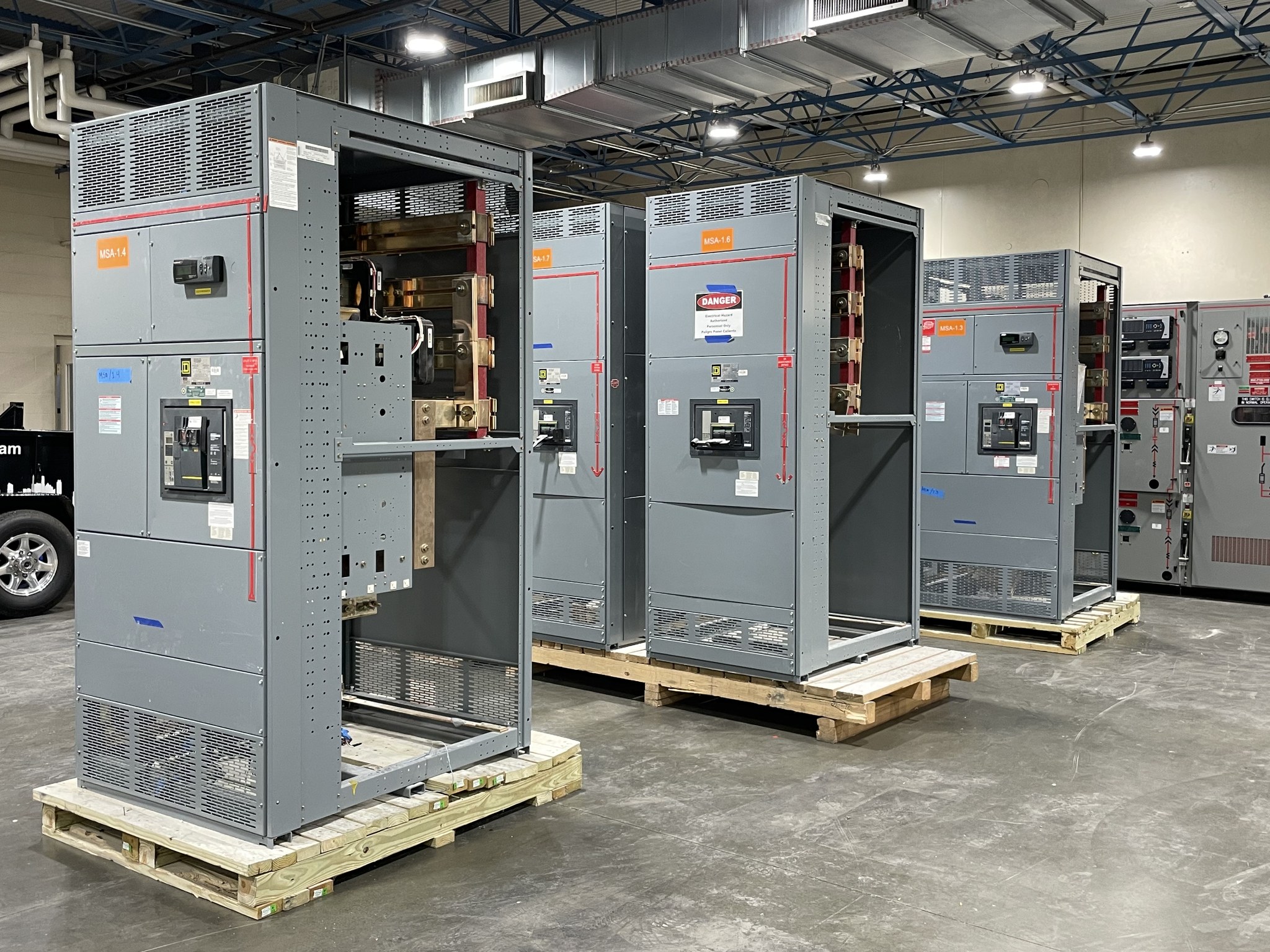
Start with the complete switchboard being offered: the assembled sections and their integrated switching and protection devices, as represented in existing records. List known manufacturers, model or catalog identifiers, section counts, and any documented modifications. If the lineup includes multiple sections, explain whether all of them are part of the proposed sale or whether some sections are missing. Completeness and configuration are more useful than a generic description such as data center electrical equipment.
A maintenance-bypass arrangement is associated with the UPS system, but the switchboard is not the UPS power module or the battery system. Identify those adjacent assets separately so the buyer can understand the interface; do not present them as included in the switchboard inquiry. This page concerns complete switchboard lineups, not an offer to buy standalone UPS units, batteries, or individual bypass cabinets. If the boundary between the board and another cabinet is unclear, say so rather than guessing.
Describe the bypass arrangement from existing records
Use available drawings or inventories to identify integrated maintenance-bypass switches, breakers, transfer devices, and interlocks, and explain whether the documents show a single or multiple UPS interface. Note any labeled normal, bypass, input, or output connections when they are already documented. The buyer can assess the proposed lineup more effectively when the relationship among its sections is clear, even if the original design documents are incomplete.
Distinguish a maintenance-bypass path from a UPS's internal static bypass if the documentation makes that distinction. Do not assume that a bypass device is functional, that a transfer sequence is safe, or that a particular interlock is present. A one-line diagram, equipment schedule, and existing photographs can help clarify the arrangement; mark older or superseded documents as such and identify any discrepancies without attempting to resolve them at the equipment.
Separate electrical ratings from condition
Provide the switchboard's documented current rating in amperes and system voltage as separate facts, along with phase and frequency if known. An amp rating does not establish voltage, and the words UPS or data center do not establish either rating. If the records identify ratings for individual sections or devices rather than the entire lineup, identify which component each figure applies to and leave unknown values unconfirmed.
Describe condition using information already in hand: known damage, recorded alterations, available covers, or whether the lineup is understood to be in service, isolated, or retired. An uncertain status should remain uncertain. The buyer does not require the seller to test the equipment. Sellers should not open or operate it, touch conductors, approach energized apparatus, or attempt to verify its condition in person; use existing records and photographs instead.
Plan removal around the site, not the other way around
For a lineup in Chicago or elsewhere in Illinois, share the site location, known access restrictions, and any existing information about room dimensions, loading areas, elevators, or potential obstructions. Mention whether the switchboard is still part of an active power system or tied to other equipment, if known. The buyer can review these details alongside the proposed scope rather than assuming that a lineup can leave as one piece or that every section is readily accessible.
The buyer handles disconnects, crane and rigging arrangements, loading, freight, and hauling, with qualified electrical professionals performing electrical work as appropriate. All freight is covered. Site representatives can coordinate permissions and access, but they should not dismantle, rig, move, or disconnect the equipment. The actual removal approach depends on the equipment, site conditions, and coordination with the responsible facility team.
Prepare a reviewable offer package
Send the buyer a concise inventory of the complete lineup, its documented bypass and UPS interfaces, ratings, condition, and location. Attach existing diagrams and photographs when available, and flag missing sections or uncertainty about what is included. Share information you are authorized to disclose, and identify who can answer questions about the equipment and site. Incomplete records need not be replaced with seller testing or a hands-on inspection.
Cash is offered subject to the buyer's review, and payment is made upfront when a transaction is agreed. The scope being reviewed is the complete switchboard lineup rather than a collection of loose components. Confirm which sections and integrated devices are included in the proposed transaction, as well as site-specific access arrangements, so both parties can coordinate removal against the same documented scope.
Common questions
Do I need to test the maintenance-bypass switchboard before requesting an offer?
No. Seller testing is not required. Provide existing records and photographs instead, and report uncertainty honestly. Do not operate or open the board, touch conductors, or approach energized equipment to collect additional details.
Can I offer only the UPS or a separate bypass cabinet?
This inquiry is for a complete used maintenance-bypass switchboard lineup, including its integrated bypass equipment. A standalone UPS, battery system, or separate bypass cabinet is not the switchboard lineup described here. Identify adjacent equipment separately when explaining the interface.
Who pays for freight and coordinates removal?
The buyer covers all freight and handles hauling, loading, rigging, crane arrangements, and disconnects. Qualified electrical professionals perform electrical work as appropriate. The seller should coordinate authorized site access rather than attempting to move, dismantle, or disconnect the lineup.