Build an inventory around each tap-off, not just rack count
Start with a count by identifiable tap-off type or catalog designation rather than estimating from the number of racks once served. Record manufacturer, model or series, catalog number, and any legible nameplate information from existing records or safely accessible exterior surfaces. Keep uncertainty visible: “series appears to be” is more useful than turning a partial marking into a definitive identification.
Separate tap-offs from busway sections, end feeds, elbows, hangers, or other associated components. A hypothetical room might have 36 visually similar tap-offs, but paperwork could show two connector series or different outlet arrangements. Listing those as separate groups prevents a buyer from assuming interchangeability and makes it easier to discuss which items are included in a possible offer.
Document connector series and the busway they match
A tap-off is only one part of a distribution arrangement: its connector interface must correspond to the busway series, and the busway’s physical configuration matters. Note markings on tap-offs and straight sections separately, then compare them with approved drawings, schedules, purchase records, or maintenance documents. Do not infer a match solely because parts look alike or were found in the same data hall.
When records identify the busway family, record that designation alongside the tap-off series and any documented compatibility notes. If a designation is missing, flag it rather than guessing. For example, a hypothetical inventory may identify one group as Series A and a second group as unknown; preserving that distinction lets the buyer review the known group while asking focused questions about the remainder.
Keep electrical ratings and configuration details distinct
Record voltage and ampere ratings only when supported by a nameplate, equipment schedule, or other reliable documentation, and keep those fields separate. Ampere rating describes current capacity; voltage rating describes the electrical system level. Neither can be derived from the other, and a page title, rack label, or seller’s shorthand is not verification of an equipment rating.
Useful configuration details may include outlet style, outlet count, cord or receptacle arrangement, pole or phase information where documented, and whether a tap-off includes a protective device. Transcribe what records say without interpreting unfamiliar symbols as a confirmed specification. If the paperwork conflicts with an exterior marking, note both sources and the discrepancy so the buyer can review it rather than silently choosing one.
Describe condition and package the inventory for review
Use practical condition categories such as identified, partially identified, visibly incomplete, or status unknown. Note missing covers, damaged-looking housings, absent accessories, or mixed lots only from information already available. Do not open enclosures, operate equipment, touch conductors, test or measure it, or approach energized apparatus to improve an inventory. Existing photographs and records can provide useful context without creating a new inspection task.
If tap-offs are already removed and stored, describe how they are grouped and whether matching sections or accessories are included; do not disassemble anything for an inquiry. If equipment remains installed, say so and share an approximate count and location within the site. A hypothetical list might distinguish 20 stored units from 15 still overhead, leaving removal planning for qualified professionals rather than assigning that work to the seller.
Coordinate a review and site pickup around the decommissioning plan
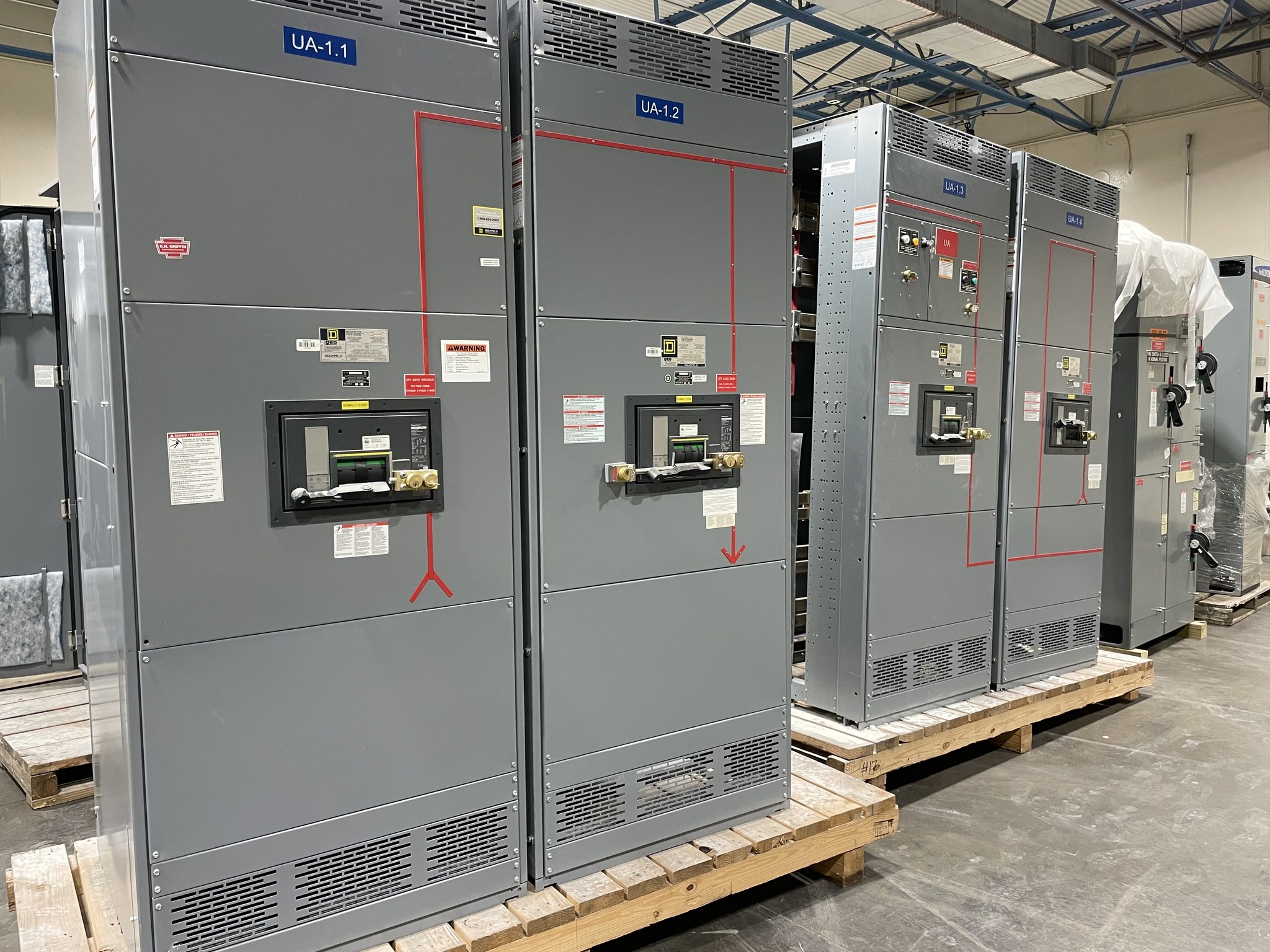
An Illinois buyer of used, surplus, and decommissioned electrical equipment can review busway tap-offs and related distribution equipment from a data-center shutdown. Send the inventory, available documentation, photographs of safely accessible exterior markings, quantity, and site status for review. The buyer may ask about connector series, matching straight sections, ownership, or access constraints before discussing a specific offer; acceptance and terms depend on that review.
For an agreed transaction, the buyer’s stated terms are cash offers, payment upfront, no seller testing required, and freight covered. The buyer handles crane, rigging, disconnects, loading, freight, and hauling, coordinating the work with the site. The seller does not need to dismantle, rig, or move equipment. Qualified professionals perform electrical work as appropriate; do not assume all work is complete or equipment de-energized.
Common questions
What should I send if the tap-off connector series is unclear?
Share the markings you can safely read, relevant equipment schedules or purchase records, and a count grouped by apparent type. Label uncertain identification plainly; do not open equipment or claim compatibility based on appearance alone.
Should we remove tap-offs from overhead busway before requesting an offer?
No. Provide the known count and note which units remain installed. For an agreed transaction, the buyer coordinates disconnects, rigging, loading, freight, and hauling, with qualified professionals handling electrical work as appropriate.
Can tap-offs and straight sections be reviewed as one lot?
They can be presented together for review, but identify and count each category separately and document known series. A buyer can then assess the combination without assuming every tap-off fits every straight section.