Separate the room panelboard from the rack PDU
A rack PDU is installed in or beside a cabinet to distribute power among servers and other rack loads. A panelboard feeding those units is a separate upstream assembly, generally located elsewhere in the electrical distribution path. In a decommissioning inventory, “PDU panel” may refer to either one, so use the equipment’s location and role—not shorthand alone—to describe it.
For example, hypothetically, a facility might have floor-mounted panelboards whose branch circuits serve several rows of rack PDUs, while the rack devices remain in place or are listed separately. Describe the panelboard as the item under consideration and identify rack PDUs as connected loads or separate assets. Do not assume that a buyer’s interest in the panelboard means the rack units are included.
Describe configuration and ratings from available records
Say whether the panelboard is a stand-alone assembly or part of a larger, integral configuration, and identify any associated sections or equipment only where existing records support that description. Existing circuit schedules can help show which circuits served rack PDUs, how circuits were named, and whether schedules appear complete. Share copies or transcriptions if available; avoid filling gaps with assumptions based on room labels or former operating arrangements.
Report ampere ratings and voltage ratings as separate details, using equipment markings or documentation that clearly identifies each. A page title, seller’s shorthand, or circuit description is not verification of either rating, and one rating cannot be inferred from the other. Manufacturers’ names and model information can help identify equipment, but should be presented as identifiers rather than proof of configuration, condition, or compatibility.
Clarify what is included—and what remains separate
List any upstream disconnects that are included in the proposed sale, and say whether each is integral to the panelboard or a separate piece of equipment. If the disconnect’s relationship to the panelboard is unclear, describe what the records show and flag the uncertainty. This prevents an inventory from accidentally combining equipment that is physically or electrically separate, or omitting an item the seller intended to offer.
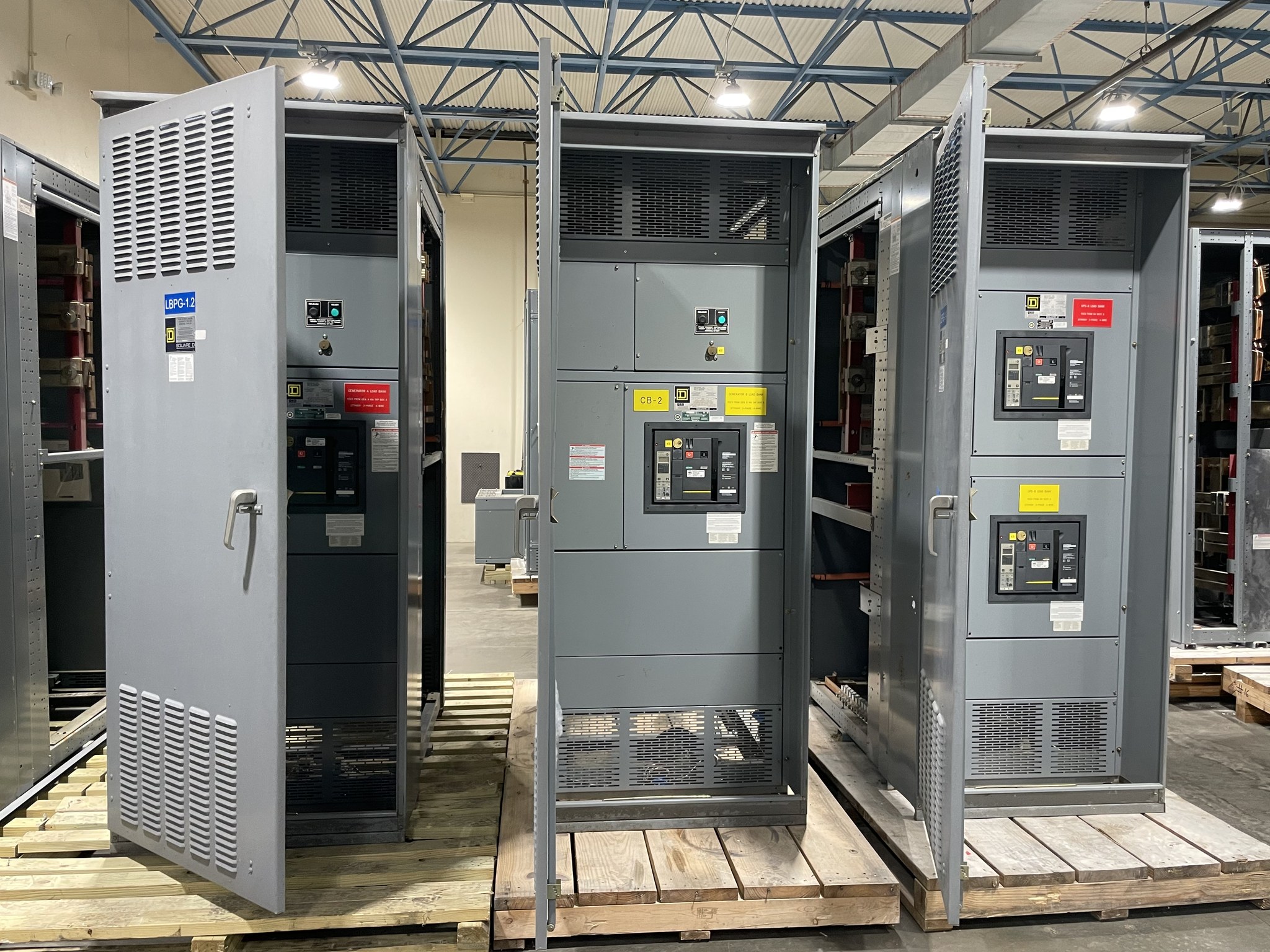
A useful description might distinguish the panelboard, its documented branch-circuit schedule, a separately listed upstream disconnect, and any rack-mounted PDUs that are excluded. Hypothetically, if a schedule names circuits for particular rows but the rack devices are being retained, state that plainly. Photos may help convey exterior layout and labels when obtained safely; no one should open an enclosure, operate equipment, touch conductors, test, measure, or approach energized apparatus for an inventory.
Prepare a practical decommissioning inventory
Gather information already available through asset lists, one-line diagrams, circuit schedules, maintenance records, and safely accessible exterior markings. Note known condition issues, missing covers or components, changes in service, and whether paperwork may not reflect later modifications. These details are more useful than a broad claim that a panelboard is “working” when no verified condition report is available or testing has not been performed.
Ownership and project boundaries matter too. Confirm that the seller is authorized to offer the panelboard and identify any related equipment that belongs to another party or is being handled under a separate disposition. A decommissioned data center may contain equipment with different owners, removal scopes, or site restrictions. The buyer reviews the described equipment and circumstances; an inquiry does not guarantee an offer on every item.
Coordinate review and removal around the site
Send the inventory and available documentation to the Illinois buyer for review, including the panelboard’s location, described configuration, separate or integral disconnects, and whether rack PDUs are included or excluded. The buyer can discuss a specific offer and its scope after reviewing those details. The company buys used, surplus, and decommissioned electrical equipment—including panelboards—in all voltage classes, with cash offers and payment upfront when a transaction is agreed.
For accepted equipment, the buyer covers freight and coordinates the removal logistics, which can include qualified professionals for disconnects, crane or rigging work, loading, hauling, and transport as appropriate. The seller is not expected to dismantle, test, rig, or move the equipment. Site access, removal scope, and arrangements should be discussed during review; do not assume electrical work is complete or equipment is de-energized. Payment is upfront, not after pickup.
Common questions
How can I tell whether my inventory item is a panelboard or a rack PDU?
Describe where the equipment is located and what role existing records assign it. A rack-mounted unit distributes power at the cabinet; the panelboard may feed it. Avoid relying on shorthand alone.
Should I include rack PDUs and upstream disconnects with the panelboard?
State what is included and what is separate. Identify any upstream disconnect as integral or separate only when records support that distinction, and list rack PDUs separately if they are not part of the offer.
Do I need to test or remove the panelboard before requesting an offer?
No seller testing or removal is required. Share existing records and safely accessible exterior information for review. If a transaction is agreed, the buyer coordinates appropriate removal logistics and pays upfront, before pickup.