Start with the lease, not the equipment label
Review the lease, amendments, work letters, and decommissioning provisions for rules on tenant improvements, removals, abandonment, and restoration. A lease may distinguish removable trade fixtures from improvements that transfer to the landlord, or require written consent before removal. Purchase invoices and asset registers can help establish who paid for equipment, but they do not override a later agreement assigning ownership or requiring the gear to remain.
If ownership is unclear, ask the landlord or its authorized representative to resolve the issue in writing before including an item in a sale. For example, a tenant may have bought a distribution panel while the lease says electrical improvements become landlord property at lease end. That hypothetical conflict calls for review and clarification, not an assumption based on the tenant’s invoice or the panel’s location.
Map tenant assets against the landlord’s electrical boundary
Build an equipment list that connects each proposed item to a room, lineup, or served area, then compare it with lease exhibits, construction drawings, change orders, and commissioning or asset records already available. Note whether the gear serves only the tenant’s data hall or is integrated into a shared building system. Shared feeders, common-area distribution, and landlord-provided infrastructure deserve particular scrutiny before anyone represents them as tenant property.
A useful hypothetical example is a tenant-owned modular lineup downstream of a landlord-owned service entrance. The tenant may be entitled to offer its lineup while the upstream switchgear, common bus, or building distribution remains outside the sale. Marking that boundary on an existing one-line drawing can make the proposed scope easier to review; it should not be treated as permission to disconnect anything.
Identify the gear from records and safe exterior information
For each item, record the manufacturer, model or catalog information, serial number if legible, equipment type, approximate configuration, and any documented voltage and ampere ratings. Keep those ratings distinct: voltage and amperage describe different characteristics, and neither can be inferred from the other. A page title, tenant inventory description, or informal shorthand is not verified rating information; use available nameplate records or documents instead.
Describe condition conservatively using maintenance records, prior inspection reports, and known operating or storage history. Do not ask staff to open enclosures, operate gear, touch conductors, test, measure, or approach energized apparatus to fill gaps. Existing paperwork and safely accessible exterior information are appropriate starting points. If information is missing, identify it as unknown rather than guessing, and allow the buyer to review the description.
Define what is included in the sale and coordinate the exit
State whether the offer concerns a complete lineup, individual sections, removable breakers, busway, or related distribution components, and identify what is excluded. Note visible configuration details such as section count, approximate dimensions if already documented, and whether associated components are included. Do not separate equipment or promise a configuration that the tenant is not authorized to remove; ownership and the approved scope should control the proposed package.
Coordinate the buyer’s review with the landlord, facility manager, and decommissioning lead so site access, work windows, loading routes, and building rules are addressed before a specific transaction is arranged. The Illinois buyer handles disconnects, crane and rigging, loading, freight, and hauling, with qualified professionals performing electrical work as appropriate. The seller is not expected to dismantle, test, rig, or move the equipment.
Submit an evidence-based offer request to an Illinois buyer
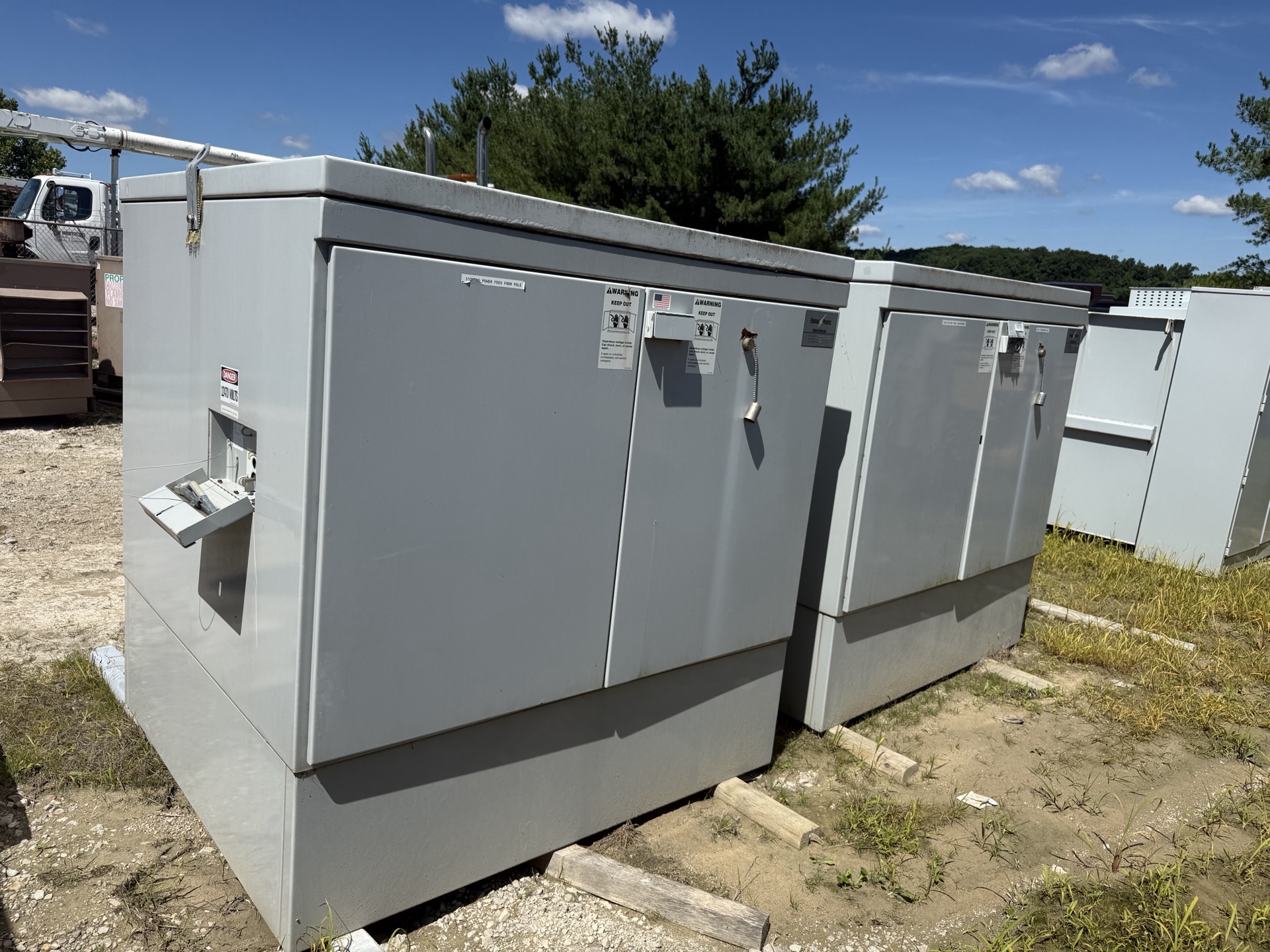
Send the equipment list, available ownership records or written landlord clarification, photographs limited to safely accessible exterior views, and relevant documents such as one-line diagrams or asset schedules. Identify the site generally, the decommissioning stage, access constraints, and who can authorize access. This helps the buyer assess the described equipment and proposed scope; it does not guarantee acceptance or establish a price before review.
The company buys used, surplus, and decommissioned electrical equipment across voltage classes, including switchgear, switchboards, MCCs, panelboards, busway, transfer switches, breakers, and unit substations. It makes cash offers, requires no seller testing, covers freight, and pays upfront rather than after pickup. A specific offer and transaction details remain subject to review, including confirmation that the items offered are authorized for sale.
Common questions
Does a tenant’s purchase invoice prove it can sell distribution gear?
It is useful evidence of purchase, but lease terms, amendments, improvement agreements, and transfer provisions may affect ownership. Resolve conflicting documents with the landlord or authorized representative before including the equipment in an offer.
What should we do when tenant and landlord equipment share a lineup?
Use available drawings, asset records, and written ownership clarification to define the proposed boundary. Do not assume that a shared assembly or upstream component belongs to the tenant merely because it serves the data hall.
Must the exiting tenant disconnect, test, or transport gear before requesting an offer?
No seller testing is required, and the seller is not expected to disconnect, dismantle, rig, load, or haul equipment. The buyer covers freight and coordinates handling; payment is upfront, subject to review of the specific transaction.