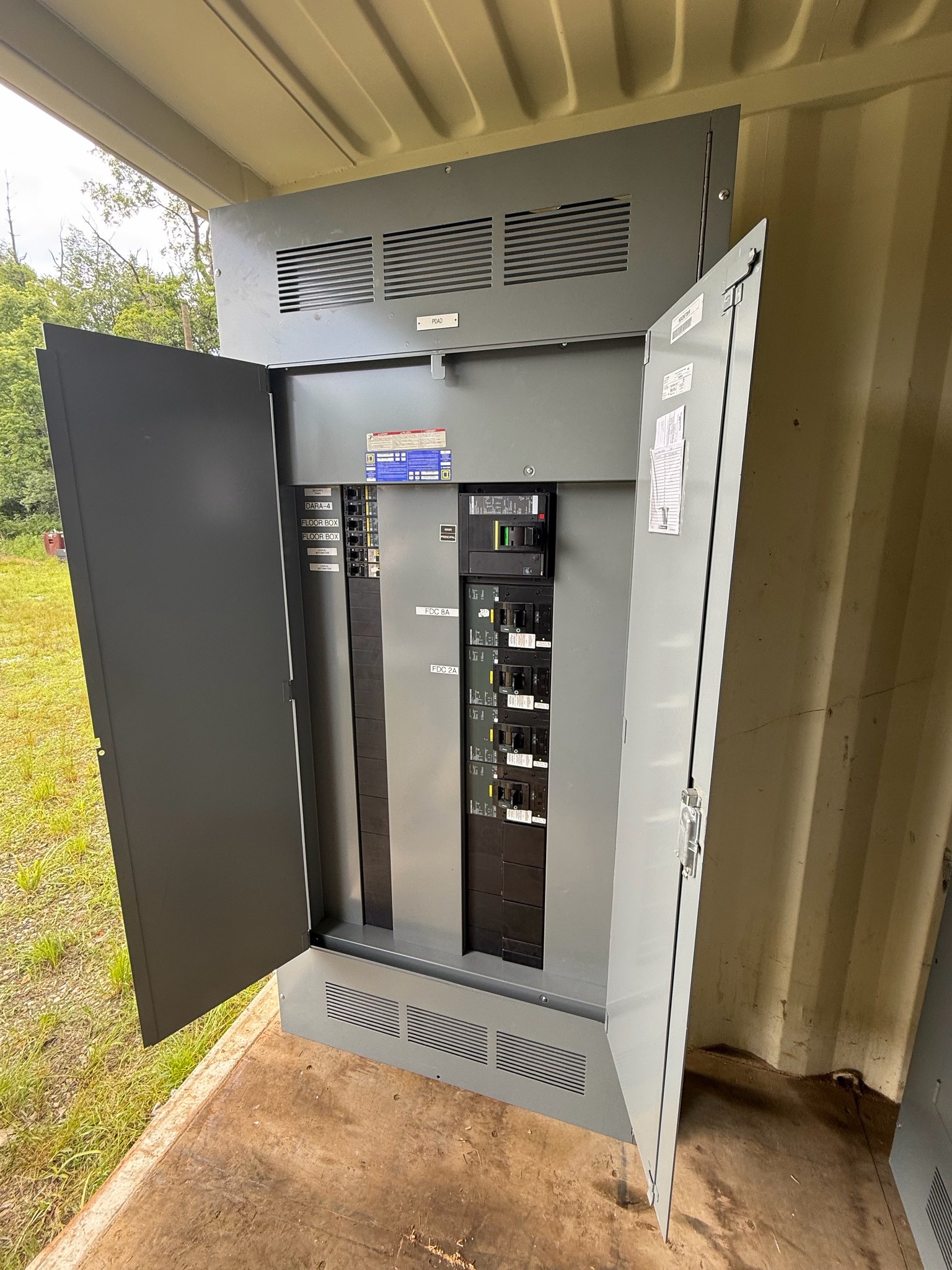
Separate generator output switchgear from the generator package
Generator output switchgear carries and controls the electrical connection from a generator into the plant’s electrical system. It is different equipment from the generator, turbine, and other generating machinery. When preparing a teardown inventory, identify the switchgear as its own asset and note whether the offer covers a complete lineup, selected sections, or associated components. A buyer can then review the proposed scope without treating the generating equipment as included.
For example, a hypothetical plant might be removing a generator and its output lineup in the same project, while only the switchgear is available for sale. State that distinction plainly. If the lineup serves more than one generator or includes a shared bus arrangement, describe that relationship from existing records rather than guessing. The more clearly the boundaries are defined, the less likely the buyer and seller are to discuss different equipment under the same asset description.
Inventory breaker ratings and lineup sections carefully
Record each breaker’s nameplate information as shown in existing documentation or safely accessible exterior information. In particular, keep the ampere rating separate from the voltage rating: amperes describe current capacity, while volts identify electrical potential. Neither value can be inferred from the other, and a page title, seller shorthand, or equipment description is not verification of a rating. If a value is unreadable or unavailable, mark it as unknown rather than filling in a likely figure.
A section-by-section list can make a long generator output lineup easier to review. Note section identifiers, breaker positions, visible manufacturer and model information, and any documented bus or connection descriptions. Manufacturers serve as equipment identifiers, not as an indication of a partnership or endorsement. Do not open enclosures or operate equipment to collect details; use existing paperwork and information visible from a safe, accessible exterior location.
Offer generator-circuit drawings as review material
Available generator-circuit drawings can help explain how the switchgear fits into the plant’s electrical arrangement. Useful records may include a one-line diagram, circuit drawings, lineup elevations, equipment schedules, or documents showing breaker designations and connections. Tell the buyer which records exist and whether they cover the entire lineup or only particular circuits. These documents are material for review, not a substitute for confirming each item’s identity and condition.
Before sending plant records, check that the material is appropriate to share and remove information your organization cannot disclose. A hypothetical example: an asset list may identify a generator breaker by tag, while a drawing shows the associated lineup section and circuit designation. Present both as recorded, flag any mismatch, and let the buyer ask for clarification. Do not alter a drawing to make it appear that an unverified rating or configuration has been confirmed.
Describe condition and define what is included
A teardown inventory should distinguish observed condition from assumptions about serviceability. Describe whether sections are reported as installed, removed, stored, or partially dismantled, and note known missing parts, visible damage, or incomplete documentation. If equipment has been exposed to weather, stored indoors, or separated into components, say so when known. No seller testing is required for an offer, and sellers should not test, measure, operate, or inspect inside enclosures to create a condition report.
Clarify whether the proposed sale includes breakers, control components, bus connections, spare parts, or only specified sections. For a hypothetical partial lineup, identify the sections being offered and the sections that remain at the site; avoid implying that loose components form a complete assembly unless records support that description. The buyer reviews the details before making a specific offer, and the review may address the equipment’s documented identity, scope, and condition.
Coordinate removal, access, and the buyer review
For Illinois sellers, the buyer purchases used, surplus, and decommissioned electrical equipment, including switchgear from shut-down power plants and other decommissioned facilities. Share the site location, teardown status, access constraints, and the person coordinating site arrangements. Explain any known requirements for scheduling, crane access, rigging, loading, or freight, but do not assume electrical work is complete or that equipment is de-energized. Qualified professionals handle electrical work as appropriate.
The company arranges and covers freight and handles the required disconnects, crane work, rigging, loading, and hauling, so the seller does not have to dismantle, move, or rig the switchgear. Its terms include a cash offer and payment upfront—not after pickup—and no seller testing requirement. Send the inventory and available drawings for review, then discuss scope and logistics. Any offer and removal details remain subject to review; there is no promise to accept every item.
Common questions
Which ratings should I list for generator output breakers?
List the ampere and voltage ratings separately, using existing records or safely accessible exterior information. Do not infer one from the other; identify unreadable or undocumented values as unknown for buyer review.
Do generator-circuit drawings need to cover the entire lineup?
No. Tell the buyer which drawings are available and what they depict, such as a specific breaker or lineup section. Note gaps or inconsistencies rather than presenting partial records as complete.
Does the plant seller have to test or remove the switchgear before pickup?
No seller testing is required, and the seller should not dismantle, rig, or move it. The buyer covers freight and arranges removal work; payment is upfront, not after pickup, subject to review.