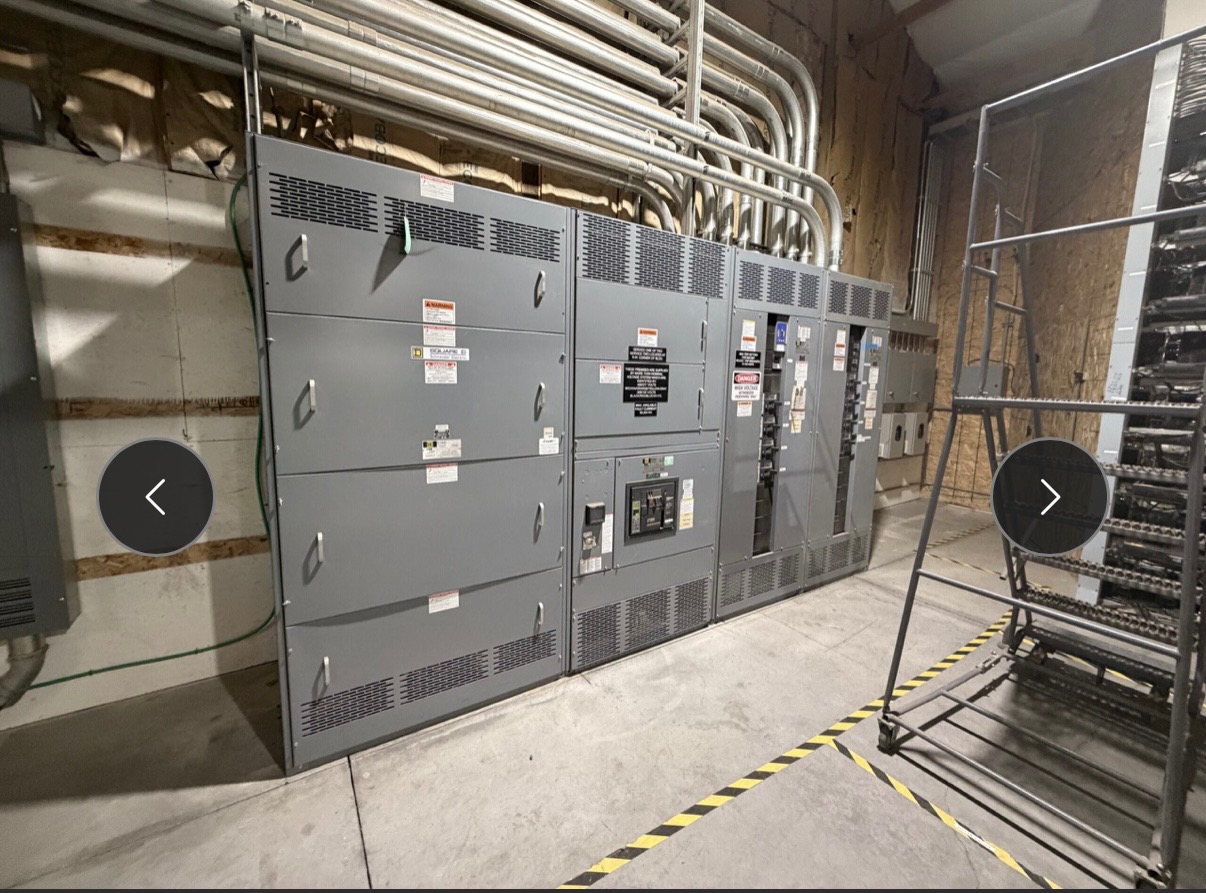
Inventory the lineup as a set of sections
Start with a section-by-section inventory: identify the switchgear lineup, its apparent boundaries, visible section labels, and the equipment represented in existing schedules or drawings. Record manufacturer and model information where safely accessible. Note whether the proposed lot includes incoming, bus, feeder, generator, or other sections according to the documentation; do not assign a function based only on cabinet appearance.
Keep ratings tied to their own documented fields. Voltage and amperage are different specifications, and one cannot establish the other. A title such as “13.8 kV lineup” or a seller’s shorthand is not verified rating information by itself. Share readable nameplate details or equipment schedules that are already available, and flag missing or conflicting records for review rather than filling gaps with assumptions.
Describe neutral-grounding equipment as part of the proposed lot
If a generator neutral-grounding resistor cubicle is included, list it as an associated item within the complete switchgear offering and identify any included monitoring equipment, such as equipment shown in the existing drawings or inventory. Record visible identifiers and available documentation. Do not present the cubicle alone as the item for sale, and do not assume its electrical connection to a particular generator or lineup without supporting records.
For example, a hypothetical plant inventory might describe one switchgear lineup, a separately identified resistor cubicle, and a monitoring device shown on the same equipment schedule. That is more useful than saying only “generator grounding system.” If drawings are unavailable, say so and describe the relationship as unconfirmed. Inclusion and the scope of any associated items remain subject to discussion and review.
Give a candid picture of condition and records
A useful condition summary separates what is known from what is not. Note whether the plant has shut down, whether the lineup is described in records as decommissioned, and any known missing doors, sections, or documentation. Mention visible exterior damage only if it can be observed safely. Do not open enclosures, operate equipment, touch conductors, test, measure, or approach energized apparatus to prepare the description.
Gather existing single-line diagrams, equipment schedules, maintenance records, and photographs taken from safe, accessible positions, if available. These materials can help clarify lineup boundaries and the documented relationship of the grounding equipment. A record is not a substitute for a current inspection or proof of condition; distinguish historical information from present knowledge, and disclose uncertainty plainly so the buyer can evaluate the package.
Confirm ownership, lot boundaries, and site coordination
Before discussing removal, establish who has authority to sell the equipment and whether the proposed lot includes all listed sections and associated items. Identify anything excluded, retained, or belonging to another owner. A hypothetical case might involve a plant owner offering the lineup while a contractor controls a separate monitoring panel; calling out that boundary early can prevent confusion about what is actually available.
Share the site contact, general access constraints, known scheduling or security requirements, and any available information about loading access. Explain what remains installed and what project work is pending without representing that electrical work is complete or that equipment is de-energized. Qualified professionals handle electrical work as appropriate. The buyer coordinates the practical removal plan with the seller and site, subject to review of the actual conditions.
Discuss the complete offer and removal plan together
The Illinois company buys used, surplus, and decommissioned electrical distribution equipment, including switchgear, switchboards, MCCs, panelboards, busway, transfer switches, breakers, and unit substations across voltage classes. A complete power-plant lineup can be reviewed with its associated neutral-grounding cubicle and monitoring equipment described in the same lot. Manufacturers help identify equipment; they should not be represented as affiliated with the buyer.
After reviewing the inventory and available details, the buyer can discuss a specific offer and the proposed scope. Terms include a cash offer, payment upfront, no seller testing requirement, and freight covered. The buyer handles crane, rigging, disconnects, loading, freight, and hauling, so the seller does not need to dismantle, rig, test, or move the equipment. Payment is upfront, never after pickup; acceptance and logistics are subject to review.
Common questions
Should I list the neutral-grounding resistor cubicle separately from the switchgear?
Identify it clearly, but present it as an associated item in the complete lineup lot, not as a standalone offering. Include monitoring equipment if it is part of the proposed lot, and describe any connection only when records support it.
What should I send if the plant drawings do not show the grounding equipment connection?
Say that the connection is unconfirmed. Share the available inventory, safe exterior identifiers, and existing records without opening or testing equipment. The buyer can review the information and discuss whether the associated item fits the proposed lot.
Do we need to test or dismantle the lineup before requesting an offer?
No seller testing is required, and the seller is not expected to dismantle, rig, or move the equipment. The buyer coordinates disconnects and removal with qualified professionals as appropriate; offer scope and site logistics are reviewed first.