Separate the MCC inventory from the press disposition
When a stamping operation closes, presses may be sold intact, scrapped, or transferred while their electrical distribution remains installed. Make a separate list for MCC sections, standalone switchboards or panelboards, busway, and other electrical equipment. Note which presses or process areas each MCC served, but do not assume a press sale includes its starter bucket or feeder. Ownership and sale boundaries should be clear before a buyer evaluates the equipment.
A hypothetical example: a plant sells two mechanical presses but retains the MCC lineup that fed them, along with a shared utility section. In that case, the press sale documents and the MCC inventory should be checked against one another so the same starter is not represented as included with both. If the buyer needs clarification, identify the affected section and circuit by existing labels or drawings rather than opening equipment or tracing conductors.
Record press-starter bucket sizes and feeder schedules
For each MCC section, record the visible lineup identification and the bucket sizes associated with press starters, if shown on existing schedules or labels. Bucket size is a useful configuration clue, not a substitute for the starter’s ratings or a promise that a bucket is interchangeable. Separately note feeder buckets serving conveyors, lubricating systems, scrap handling, or other line equipment. Existing schedules may reveal whether the lineup is dedicated to presses or serves mixed loads.
Keep voltage and ampere information distinct. A listed voltage rating does not establish an ampere rating, and a bucket size alone does not confirm either. Share values only when they appear in accessible records or existing exterior markings, and preserve the source, such as a drawing title or label. Do not open an enclosure, operate equipment, touch conductors, test, or measure anything to complete the inventory; qualified professionals handle electrical work as appropriate.
Describe lineup configuration, condition, and documentation
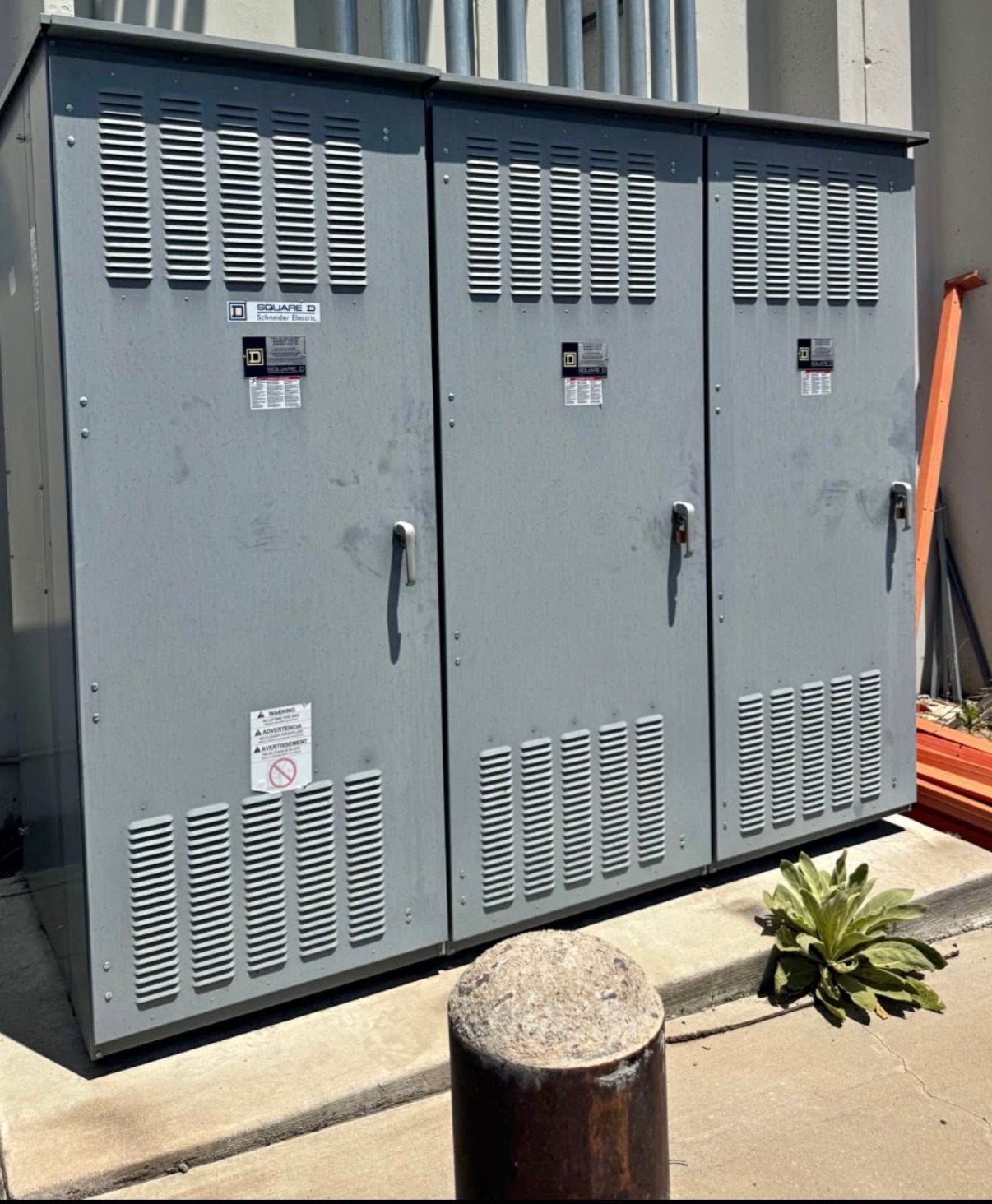
Useful descriptions include manufacturer and model identifiers, section count, lineup arrangement, approximate dimensions if already documented, and whether sections are connected by a common bus or arranged as separate groups. Identify visible gaps, missing doors, obvious impact damage, corrosion, or water exposure only from safe, accessible exterior views. A concise, factual condition note is more useful than calling equipment operational when its status has not been established.
Gather existing one-lines, MCC schedules, equipment lists, manuals, and prior project records where available. These can help distinguish a press starter from a feeder or identify sections that served plant-wide loads. Do not create new electrical readings for the inventory. Manufacturer names identify equipment for review; they do not imply a manufacturer partnership or guarantee that a particular lineup will be accepted. Any specific offer depends on review of the equipment and available details.
Coordinate the closure around access and removal scope
Discuss where the MCCs are located, how the lineup is arranged, and what the site’s closure schedule allows. Mention access constraints already known, such as restricted loading areas, limited truck approach, overhead obstructions, or a building handover date. Also clarify whether equipment is in a production area, storage area, or another location, and whether it remains installed. These facts help the buyer consider project coordination without asking the seller to dismantle or move the equipment.
The Illinois buyer handles crane work, rigging, disconnects, loading, freight, and hauling for equipment it purchases; the seller does not have to test, dismantle, rig, or transport it. Qualified professionals perform electrical work as appropriate. Do not assume that disconnects are complete or that equipment is de-energized. Site access, removal planning, and responsibilities should be discussed directly and confirmed for the specific transaction before work is scheduled.
Send a clear package for review and understand the terms
A practical first message can include the site’s general Illinois location, a list of MCC lineups and other equipment offered, the press-starter bucket-size information and feeder schedule references, photographs limited to safely accessible exterior views, and available records. State which presses are excluded, already sold, or being scrapped. If the inventory is incomplete, say what remains unknown; a candid boundary is better than guessing at ratings, contents, or ownership.
The company buys used, surplus, and decommissioned electrical equipment, including MCCs and related distribution gear across voltage classes. It makes cash offers, requires no seller testing, and covers freight. Payment is upfront, never after pickup. The review and any offer are specific to the equipment and details provided, so ask questions about scope, access, and transaction arrangements before proceeding; no particular item or package should be assumed accepted until reviewed.
Common questions
Should I include press starter buckets with presses being sold separately?
List each bucket and associated press circuit separately, then state whether it is included, excluded, or unresolved. Check existing schedules and sale records; do not open equipment or assume a starter transfers with a press.
What should a feeder schedule tell a buyer about a stamping MCC?
It can help distinguish press feeders from shared loads such as conveyors or scrap handling and identify which lineup serves each area. Share existing schedule information, while keeping voltage and ampere ratings separate.
Do we need to disconnect or move the MCC before requesting an offer?
No seller testing, rigging, or freight arrangement is required. The buyer covers disconnects, crane and rigging work, loading, and hauling for purchased equipment; qualified professionals handle electrical work as appropriate, with scope coordinated for the site.