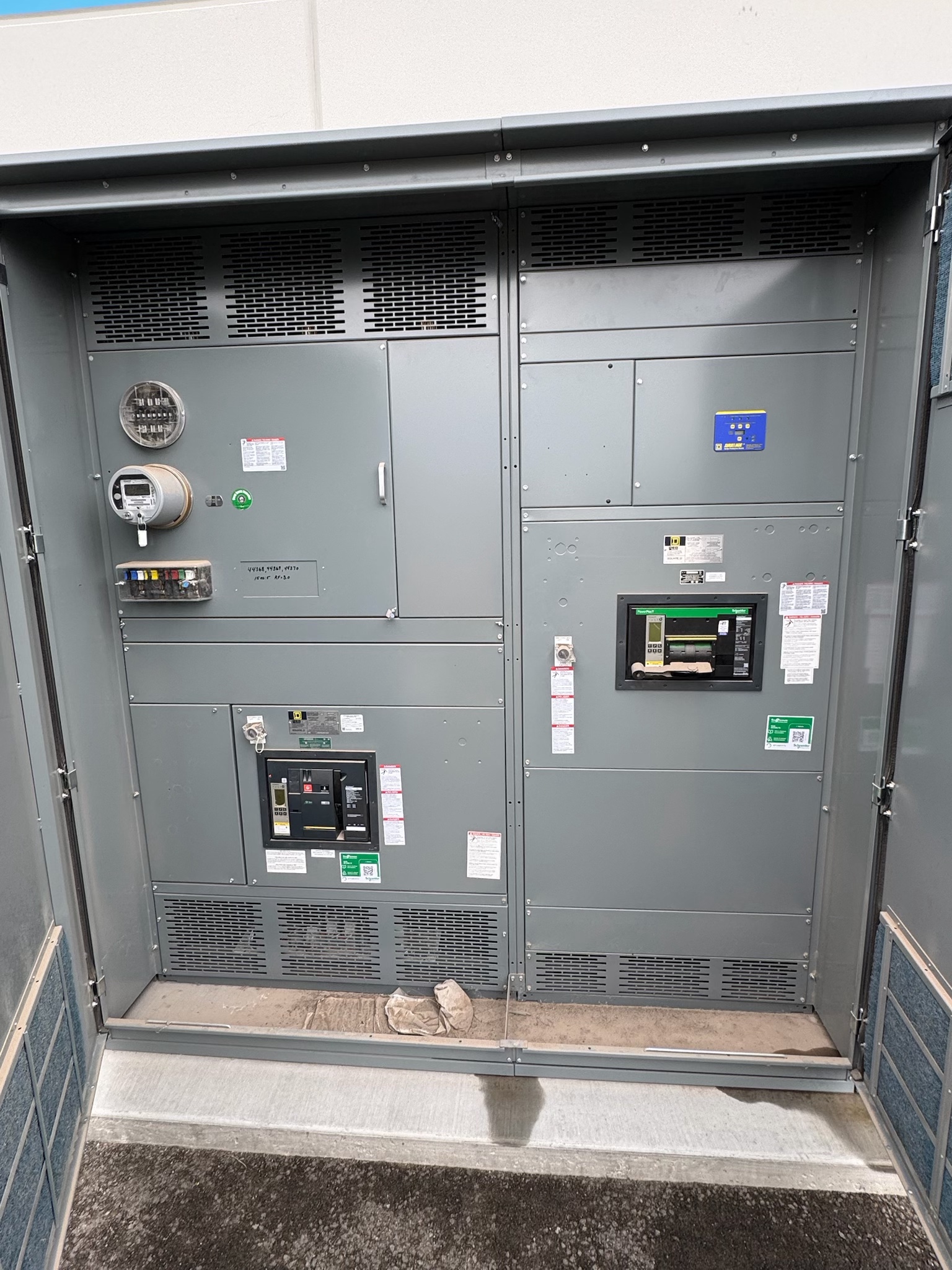
Build a section-by-section inventory of the lineup
Start with the lineup’s physical and documentary identity: manufacturer, model or series if visible, number of sections, approximate overall arrangement, and any lineup or equipment identifiers shown on existing records. A section-by-section list is more useful than a single description such as “mill MCC.” Note which sections appear connected as one lineup and whether records describe extensions, replacements, or separate lineups grouped nearby.
For example, a hypothetical inventory might identify six sections, with the first two serving process-area loads and the remaining sections listed under other mill areas in an old schedule. Mark that as information from the schedule, not as a verified present configuration. Do not open cabinets to count internal devices. Existing drawings, schedules, nameplates visible from a safe location, and exterior photographs can help distinguish documented contents from assumptions.
Record starter and motor ratings without guessing
Where existing schedules or safely accessible exterior labels provide the information, record starter type or designation and the associated motor’s documented horsepower or other motor details. Preserve the source and wording: a schedule entry, a nameplate, and a seller’s recollection are different kinds of evidence. A buyer can then see which sections have useful load information and where the record is incomplete, without treating an estimate as a confirmed rating.
Keep amperes and voltage separate. An ampere rating does not establish a voltage rating, and a voltage value does not reveal an ampere rating. Do not infer either from motor horsepower, a lineup description, or a page title. If the paperwork is unclear, report the ambiguity rather than resolving it yourself. Standalone starters are not being offered as a separate purchase category; discuss them only as components of the complete MCC lineup.
Describe moisture and corrosion history candidly
Paper mills can have varied operating areas and service histories, so explain what is known about the lineup’s environment: for example, whether it stood near a washdown area, in a damp building, or in storage after closure. Distinguish observed exterior discoloration from a documented event such as water intrusion, and state when the date, extent, or cause is unknown. A concise, accurate account helps the buyer review condition without implying that appearance alone proves internal condition.
Do not clean, open, operate, test, or measure the equipment to answer questions. No seller testing is required. Use existing reports, maintenance records, closure documentation, and information visible without approaching energized apparatus. If records mention corrosion, identify the affected section or area when known; avoid claims that the lineup is “good” or “bad” based only on a quick visual impression. Acceptance and offer details remain subject to review.
Clarify what is included and how it is arranged
Define the proposed lot: which MCC sections belong to the lineup, whether connecting bus or documented lineup hardware is included, and whether adjacent equipment is excluded. If a mill drawing groups several lineups together, identify the intended boundaries using existing labels or records. This avoids confusing one complete lineup with nearby switchboards, panelboards, or other distribution assemblies that may require separate discussion.
A hypothetical closure inventory could list one continuous MCC lineup and separately note that a nearby transfer switch appears in the same room but is not part of the MCC. Auxiliary devices such as relays, contactors, or other components should be described as context within an eligible assembly, not presented as independently purchased items. Whether particular components are included is subject to discussion. Manufacturer names help identify equipment; they do not imply a manufacturer relationship or endorsement.
Coordinate review and removal around the closure
When you contact the Illinois buyer, share the inventory, available drawings or schedules, exterior photographs taken from a safe position, known moisture or corrosion history, and the site contact’s details. Also describe access constraints that could affect planning, such as restricted entry hours, loading-area rules, or whether a crane or rigging plan will need coordination. Do not disconnect or move equipment on the buyer’s behalf; qualified professionals handle electrical work as appropriate.
The company buys used, surplus, and decommissioned electrical distribution equipment, including MCCs, across voltage classes. It reviews the information and discusses a specific offer rather than promising acceptance of every lineup or condition. Its terms are cash offers, payment upfront, no seller testing required, and freight covered. For an accepted transaction, the company handles disconnects, crane and rigging coordination, loading, freight, and hauling; payment is not deferred until pickup.
Common questions
What should I send if the mill’s MCC drawings do not match the lineup now on site?
Send the drawings as available and identify the mismatch plainly. Add exterior identifiers or safe-position photographs, and separate documented facts from recollection. The buyer can review the discrepancy before discussing an offer.
Does a paper-mill MCC with a history of damp conditions qualify automatically?
No condition guarantees acceptance. Describe where and when dampness or corrosion is known, what records support it, and which sections may be affected. The specific lineup and offer are subject to review.
Can I sell removed starter buckets separately from a complete MCC lineup?
The buying focus is the complete MCC lineup, not standalone starters. You may identify starter buckets as documented components of that assembly; whether they are included in a particular transaction is subject to discussion.