Build a bucket-by-bucket inventory, not just an MCC headline
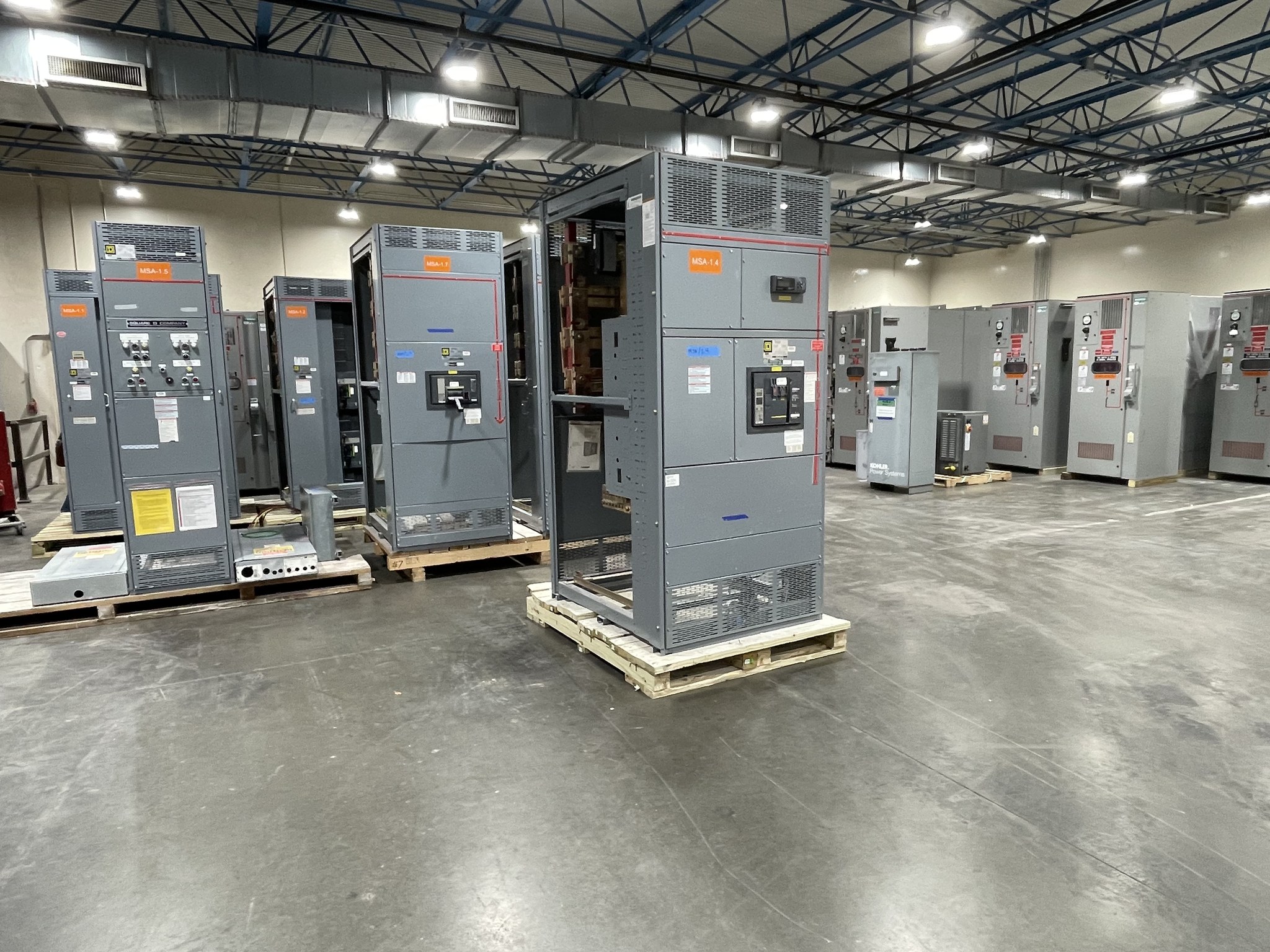
Begin with the MCC lineup as a whole: record manufacturer, catalog or lineup identifiers, section count, approximate dimensions if already documented, and any readable information on safely accessible exterior nameplates. Then list starter buckets individually. Note bucket identifiers, served equipment or process area, starter type if shown in existing records, and any legible catalog numbers. A lineup description alone rarely explains its useful configuration.
Keep voltage and amperage as separate fields. A 480-volt system description does not establish a bucket’s ampere rating, and a number in a title, tag, or seller’s summary is not a verified equipment rating. Transcribe ratings only from available labels or drawings, preserve the source, and mark missing or uncertain entries plainly. Do not open an enclosure or operate equipment to fill gaps.
Describe process exposure as known history, not an assumption
Batch operations can involve changing products, washdowns, dust, vapors, or process-specific residues, so document what the MCC’s location and service history actually establish. For each section or bucket, note known process area, approximate service period if recorded, and any reported exposure, spill, ingress, corrosion, or remediation. Distinguish direct observation from information supplied by maintenance or environmental records.
Avoid labeling equipment clean, contaminated, or decontaminated unless qualified site personnel have made and documented that determination. A useful note might say, hypothetically, “Bucket group served the resin transfer area; no exposure assessment located,” rather than suggesting a confirmed condition. Share relevant handling restrictions or site procedures with the buyer early; do not touch, sample, clean, or inspect internal components to create a description.
Put decontamination and access decisions with qualified site personnel
Questions about whether equipment requires assessment, decontamination, special packaging, or controlled access belong with the facility’s qualified environmental, safety, and electrical personnel. The buyer can review the information provided and coordinate proposed removal logistics, but should not be treated as the authority for site hazard determinations. Communicate any permit, escort, training, or contractor approval requirements before planning a visit or pickup.
Do not ask staff to open MCC doors, operate starters, touch conductors, test, measure, or approach energized apparatus for sales documentation. Use existing paperwork and safely accessible exterior information. Do not presume electrical work is complete or that equipment is de-energized. Qualified professionals handle electrical work as appropriate, while site personnel determine safe access and any required controls.
Explain lineup configuration and what is included
A buyer needs to understand whether the opportunity is a complete lineup, selected sections, or loose buckets, and how the pieces relate. Use existing one-lines, MCC schedules, bucket lists, layout drawings, and photographs of safely accessible exteriors where available. Identify blank spaces, spare buckets, visible modifications, missing covers, and known removed components. If drawings no longer match the installed lineup, label them as historical or unverified.
For example, hypothetically, a seller might have three connected sections but only two sections and a separately stored starter bucket available for sale. Listing each item and its known relationship prevents the phrase “three-section MCC” from implying that every original component remains. Include ownership or surplus-disposition details and flag leased, customer-owned, or otherwise restricted equipment before discussing an offer.
Coordinate review and removal around the facility’s closure plan
When contacting the Illinois buyer, send the inventory, available exterior photographs, drawings, known condition notes, exposure history, and site-access constraints together when practical. Identify the facility contact who can answer ownership and scheduling questions, and the qualified site contact for access and safety matters. The buyer reviews the specific equipment and details; an offer is subject to that review, not guaranteed by a broad category description.
The company buys used, surplus, and decommissioned electrical equipment, including MCCs, across voltage classes. Its terms include cash offers, payment upfront, no seller testing requirement, and covered freight. For accepted equipment, it handles disconnects, crane and rigging coordination, loading, hauling, and transportation, with qualified professionals performing electrical work as appropriate. The seller is not expected to dismantle, rig, or move equipment, and payment is upfront rather than after pickup.
Common questions
What should I provide if starter-bucket ratings are incomplete?
Send the bucket schedule, available drawings, safely accessible exterior label information, and a list of unknowns. Separate documented ratings from estimates; do not open equipment or test it to complete the inventory.
Who decides whether process exposure requires decontamination or special access?
Qualified facility personnel make those determinations under the site’s applicable procedures. Share their documented conclusions and restrictions with the buyer; do not represent an unassessed MCC as clean or decontaminated.
Does the facility have to disconnect and move the MCC before an offer?
No seller dismantling, rigging, or moving is expected. The buyer can coordinate disconnects, rigging, loading, and freight for equipment reviewed and accepted, while site personnel manage access and appropriate safety controls.