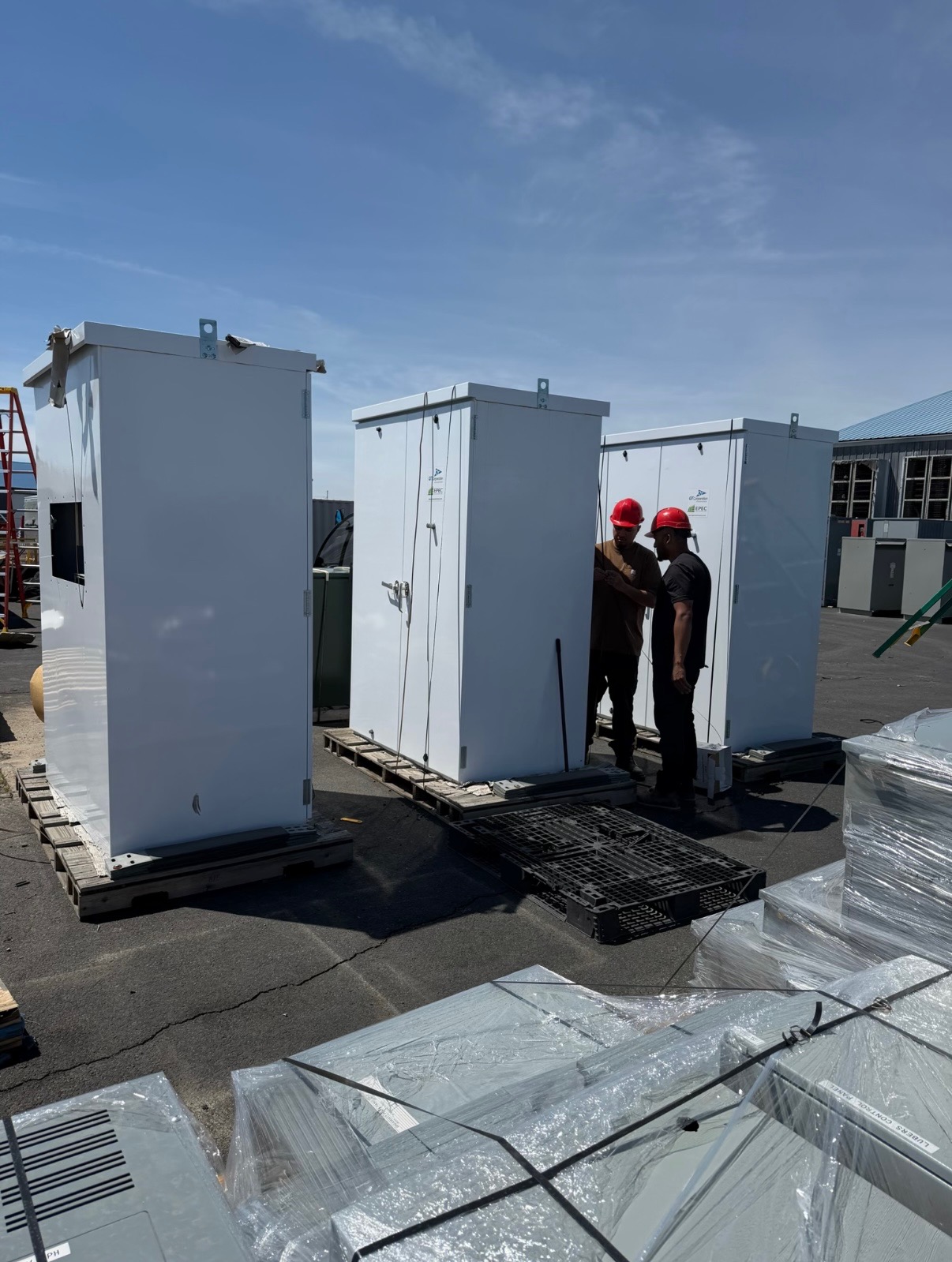
Describe the lineup as an assembly, not as the kiln drive
A motor control center (MCC) is a lineup of connected electrical sections that distributes power and houses motor-control equipment. A cement kiln drive may be one load served by that lineup, alongside auxiliary drives or other plant motors. The kiln, its mechanical drive train, and the MCC are distinct assets. When asking about a sale, identify the MCC lineup itself and explain which kiln-drive functions it served; do not treat the kiln or gearbox as part of the electrical equipment.
A standalone motor starter removed from a section is different from a complete MCC lineup. A starter may help explain what a section controlled, but it is not a substitute for documenting the connected assembly. For example, a hypothetical closure might leave a lineup with several intact sections and one starter already absent. Describe that arrangement accurately, including any gaps or removed units, so an offer can be considered against the actual configuration rather than an assumed complete set.
Keep section, motor, and voltage information distinct
Record the lineup’s manufacturer, model or family, approximate section count, and any readable identifiers from existing paperwork or safely accessible exterior labels. Then separate the MCC’s documented voltage rating from the ratings of motors and starters it served. These values may differ: a motor’s rating does not establish the MCC bus rating, and an ampere rating is not a voltage rating. Do not infer either value from a heading, remembered description, or the kiln’s operating data.
A practical inventory can list each section or bucket by its existing designation, function if known, and documented rating information. If a hypothetical schedule calls one motor a particular voltage while an exterior MCC label shows another, preserve both entries with their sources rather than trying to reconcile them yourself. Share photographs only of information already safely visible, plus available drawings, schedules, or nameplate records. A buyer can review the records and ask follow-up questions; sellers should not open enclosures or make measurements.
Explain protection and abrasive-dust exposure with evidence
Kiln-drive service can involve substantial motor loads, and the MCC’s protective devices matter to identification. Existing records may name breakers, overload protection, or other protective arrangements for particular feeders. Capture what the documents say and which section or circuit they refer to, but do not assume that a breaker’s ampere rating reveals system voltage, motor size, or overall lineup capacity. If paperwork is incomplete, say so plainly rather than filling gaps with estimates.
A cement plant’s abrasive dust can affect exterior condition and may be relevant to a buyer’s review, especially around vents, doors, and exposed surfaces. Describe visible dust accumulation, corrosion, damaged doors, missing covers, or known storage conditions without cleaning or inspecting inside energized equipment. Do not operate, test, touch conductors, or approach apparatus that may be energized. Existing maintenance or inspection records can add useful context, but seller testing is not required for an initial discussion.
Present the closure scope and what remains together
For a complete-lineup inquiry, clarify whether the sections remain connected as one lineup, are separated into shipping groups, or have already been partly removed. Note known gaps, spare sections, loose components, and whether control or feeder sections are included. A site drawing or an existing section schedule can show the arrangement more reliably than a broad label such as “kiln MCC.” Mention related equipment only to define boundaries: the kiln, standalone starters, and separate auxiliary components are not automatically part of an MCC purchase; discuss any proposed inclusion with the buyer.
Ownership and authority also belong in the first conversation. A closure may involve an operating company, landlord, auction process, lender, or appointed representative, so identify who can authorize sale and coordinate access. If several lineups or electrical assemblies are being considered, distinguish the kiln-drive MCC from other assets by location or existing tag. This helps the buyer assess the actual package without implying that every item at the site is eligible or that an offer has already been made.
Coordinate review, removal, and payment before site work
An Illinois buyer of used, surplus, and decommissioned electrical equipment can review a documented MCC lineup and discuss a specific offer after considering its configuration, records, and condition. The company’s buying terms include a cash offer, payment upfront, no seller testing requirement, and covered freight. Crane work, rigging, disconnects, loading, freight, and hauling are handled as part of the buyer’s removal coordination; the seller is not expected to dismantle, rig, or move the equipment.
Share the site location, access constraints, known closure schedule, lineup arrangement, and any available paperwork so removal planning can be discussed alongside the equipment review. Do not assume electrical work is complete or that the MCC is de-energized. Qualified professionals perform electrical work as appropriate, with site access and safety arrangements coordinated for the actual conditions. Details and any offer remain subject to review, and payment is upfront—not contingent on pickup occurring first.
Common questions
If the kiln motor and MCC show different voltage ratings, which one describes the lineup?
Keep the ratings separate and identify their sources. A motor rating does not verify the MCC bus rating. Share existing labels or records safely; do not open equipment or infer missing values.
Does “complete kiln drive MCC” include the kiln or a removed standalone starter?
Not by that description alone. Identify the MCC sections and explain what remains. The kiln and standalone starters are distinct; discuss any proposed related items with the buyer for review.
Must the plant test or dismantle the MCC before requesting an offer?
No seller testing is required, and the seller need not dismantle, rig, or move it. The buyer reviews available information and coordinates removal work, with payment upfront and freight covered.