Separate the DC disconnect from the surrounding battery system
Battery rooms may contain disconnect switches or breakers serving a battery string, a DC bus, or a particular load. Nearby cabinets can instead house a charger, monitoring equipment, fuses, or AC input protection. Record the equipment’s existing designation and apparent role, but do not treat a room label such as “battery disconnect” as proof of the device’s electrical rating or function.
A hypothetical inventory might list “800 A battery switch” beside a separate voltage notation on a drawing. Those figures describe different properties: amperes indicate current capacity, while volts indicate voltage rating. Neither establishes the other, and a title or seller-entered description is not a verified rating. Keep the source of each detail clear so a buyer can review it without assumptions.
Capture accessible nameplate details and drawing references
Use existing records first: equipment schedules, one-lines, battery-room layouts, and circuit drawings can connect a disconnect to a string or load. If nameplate information is safely visible from outside the equipment, note the manufacturer, model, serial number, DC voltage and current ratings, poles, and any interrupting or utilization markings shown. Do not open an enclosure or approach apparatus to obtain a better view.
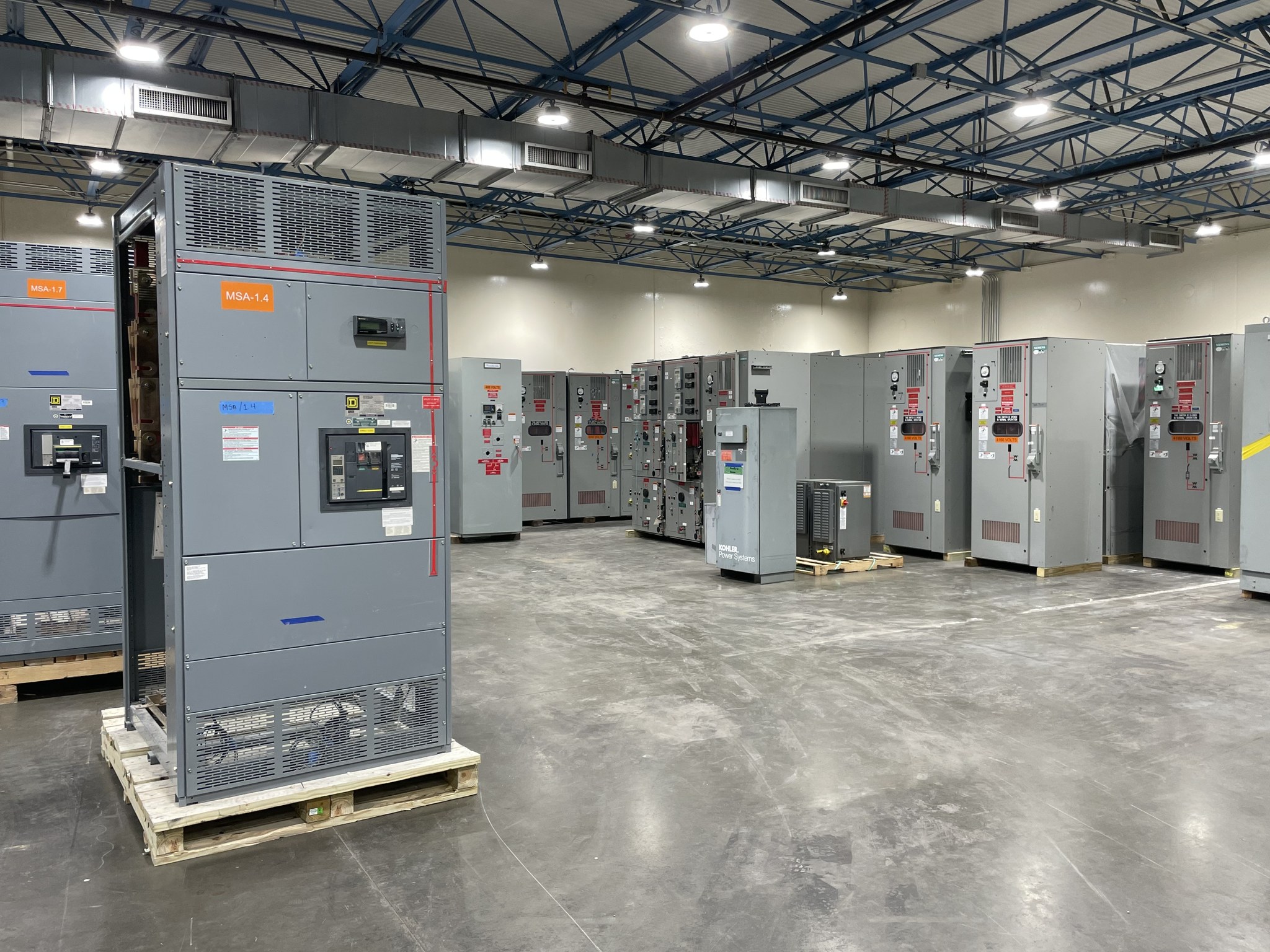
Photograph only information already accessible without touching equipment or entering a restricted or unsafe area. A useful image is legible and paired with the cabinet tag or drawing reference, rather than presented as a substitute for documentation. If a rating is obscured, missing, or inconsistent with a drawing, report that uncertainty plainly; do not infer a value from the connected battery bank.
Describe condition without testing the battery circuit
For an initial equipment review, explain what is known from records and exterior observation: whether the disconnect is identified, whether the enclosure appears complete, and whether accessories or operating mechanisms are listed in the inventory. Note visible damage only when it can be described from a safe, accessible viewpoint. Avoid claims about electrical performance, internal condition, or operability unless supported by existing qualified documentation.
No seller testing is required for the buying discussion. Do not operate a handle, remove covers, measure voltage, or test a circuit to fill gaps in the record. Battery systems can retain hazardous energy, and the decommissioning plan should assign battery isolation, verification, and electrical work to qualified specialists. A buyer can review the information supplied and clarify what remains unknown before discussing a specific offer.
Keep ownership, configuration, and removal responsibilities clear
Identify what is included in the proposed sale: the disconnect cabinet alone, associated fuses or control components, spare parts, or other separately listed equipment. Distinguish those items from batteries, bus assemblies, cable, and neighboring cabinets that are not being offered. Include approximate quantities and the equipment tags used onsite; a concise scope helps prevent confusion when several similar DC circuits share a room.
Confirm that the organization offering the gear has authority to sell it and can coordinate access with the site owner or decommissioning lead. Do not dismantle, rig, or move the equipment for the buyer. The Illinois buyer coordinates applicable disconnects and qualified electrical work, crane and rigging needs, loading, freight, and hauling; the seller’s role is to provide information and arrange site coordination.
Coordinate the review around the decommissioning schedule
When contacting the buyer, share the site location, equipment list, available exterior photos and records, quantity, known configuration, and any access or scheduling constraints. Mention whether the gear is in a battery room, on a raised floor, or subject to a controlled loading route if that information is already known. These practical details help frame a review without asking site personnel to inspect hazardous equipment.
The company buys used, surplus, and decommissioned electrical equipment across voltage classes, including disconnect gear, switchgear, switchboards, MCCs, panelboards, busway, transfer switches, breakers, and unit substations. It makes cash offers, pays upfront, requires no seller testing, and covers freight. A particular offer and logistics plan remain subject to review; payment is upfront, not after pickup, and the seller does not handle removal.
Common questions
What should I send if the DC disconnect nameplate cannot be read?
Share its equipment tag, safely accessible exterior photos, and drawing or schedule references. Mark unreadable ratings as unknown rather than estimating them from battery voltage, circuit labels, or another cabinet’s documentation.
Do we need to prove the disconnect works before asking about a sale?
No seller testing is required. Provide existing records and an honest condition description; qualified specialists handle battery energy and electrical work. Never operate, open, measure, or test the equipment for the inquiry.
Who handles removal and freight during a data center decommissioning?
The buyer coordinates applicable disconnects, qualified electrical work, rigging, loading, freight, and hauling. The site team coordinates access and scope. Cash payment is upfront, with a specific offer and plan subject to review.