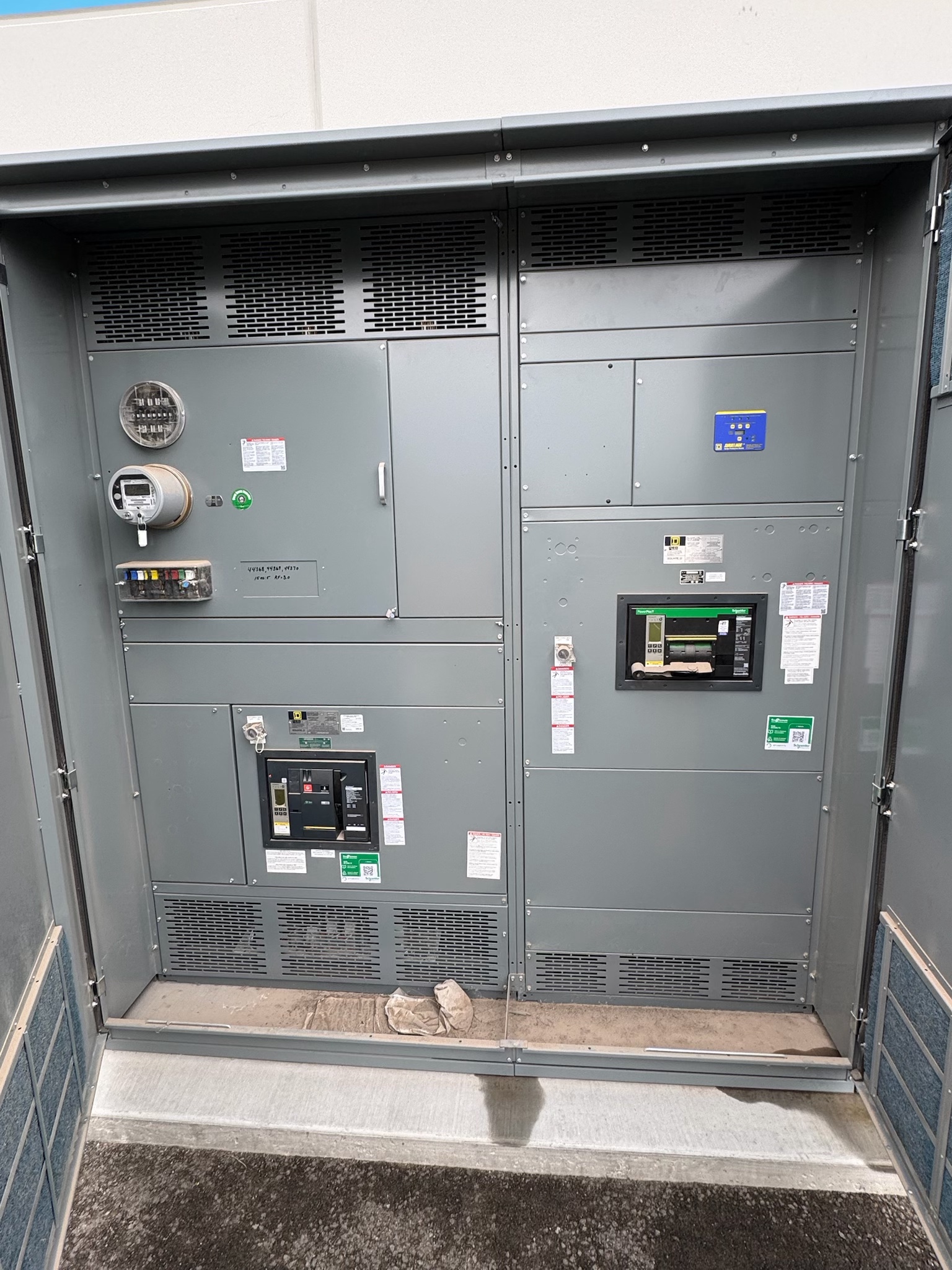
Start with the one-line and define the sale boundary
A one-line drawing is often the most useful starting point because it shows how the primary supply reaches the transformer and how the substation connects to downstream equipment. Mark the proposed sale boundary on a copy if that information is available: for example, whether the offer concerns the transformer and primary switch only, or a broader assembly that includes secondary switchgear. A page title such as “primary substation” does not establish what is included.
Compare the drawing with existing asset schedules, equipment lists, and closure records, noting where descriptions differ or where the diagram is incomplete. A hypothetical drawing might show one transformer feeding a separate secondary switchboard, while a site inventory groups both under one asset number. That discrepancy matters: it changes the described package, not necessarily the physical equipment. Share the records as they exist and flag uncertainties rather than silently resolving them.
Keep transformer kVA separate from primary-switch ratings
Record the transformer’s stated kVA rating from existing documentation or safely accessible exterior identification, along with manufacturer and model details when available. kVA describes the transformer’s apparent-power capacity; it is not a voltage rating and does not identify the primary-switch rating. Voltage information should be reported separately and tied to the relevant equipment and documentation, since a substation contains components with distinct electrical characteristics.
For the primary switch, provide its documented rating and the exact label context where that information is available. Do not infer a switch rating from transformer kVA, a voltage class, or a nearby nameplate. If records show a 2,500 kVA transformer but leave the primary-switch rating unclear, report that distinction plainly. A buyer can review the available information and ask targeted questions without requiring the seller to test, open, or operate equipment.
Describe the configuration and condition without field investigation
Explain how the assembly is packaged: whether the transformer and primary section are mounted together, arranged as separate sections, or documented as a coordinated lineup. Existing drawings, photographs taken from safe locations, equipment schedules, and prior maintenance records may clarify enclosure style, connection arrangement, and included components. Identify known omissions, such as a control cabinet that belongs to another package, but avoid assuming that visually adjacent equipment is part of the sale.
Condition notes should be based on records and observations already available to authorized site personnel, not a new inspection that puts anyone near electrical hazards. Mention known operating history, storage exposure, documented repairs, or recorded issues, distinguishing confirmed information from unknowns. No seller testing is required. Do not ask staff to open enclosures, touch conductors, measure, operate equipment, or approach energized apparatus to fill gaps in the description.
Coordinate ownership, shutdown scope, and site access
Before discussing removal, establish who has authority to sell the equipment and whether it is owned outright or subject to a lease, financing interest, or other restriction. A data center closure can involve multiple parties—owner, operator, property manager, and decommissioning contractor—so identify the contact who can confirm the asset boundary and approve access. Include any known schedule constraints, security procedures, loading limits, and site rules in the initial conversation.
The sale discussion does not itself establish that electrical work is complete or that equipment is de-energized. Qualified professionals should handle electrical work as appropriate under the site’s processes. The buyer coordinates the removal plan for accepted equipment, including disconnects, crane and rigging, loading, freight, and hauling; the seller should not dismantle, rig, or move the substation. Site access and scope remain matters to confirm for the particular offer.
Send a focused information package for buyer review
A practical first submission can include the one-line drawing, the proposed asset boundary, documented transformer kVA, separately documented primary-switch ratings, available voltage information, equipment identifiers, and a concise condition summary. Add existing photographs and relevant inventory or maintenance records where permitted. If a document is missing or a label’s meaning is uncertain, say so. Clear gaps are more useful than a guessed rating presented as fact.
An Illinois buyer of used, surplus, and decommissioned electrical equipment reviews the details before making a specific offer; not every item or configuration can be assumed acceptable. The company buys substations across voltage classes and states its terms as cash offers, payment upfront, no seller testing required, and freight covered. If the transaction proceeds, payment is upfront—not after pickup—and the removal scope and access arrangements are confirmed for that equipment.
Common questions
If the one-line shows transformer kVA but no primary-switch rating, should we estimate the switch rating?
No. Send the drawing and identify the missing rating. Transformer kVA and primary-switch ratings describe different equipment characteristics; neither should be inferred from the other. Existing records can support buyer review.
How should we describe a substation when the drawing and asset register use different boundaries?
Provide both descriptions, mark the proposed sale boundary on the available one-line, and identify any included or excluded sections. Do not assume downstream switchgear is included merely because it shares an asset label.
Does the seller need to disconnect or move the primary unit substation before pickup?
No. The buyer handles removal coordination, including qualified electrical work as appropriate, rigging, loading, freight, and hauling. Site access, scope, and the specific offer still require review and confirmation.