Describe the complete electrical path, not just the transfer function
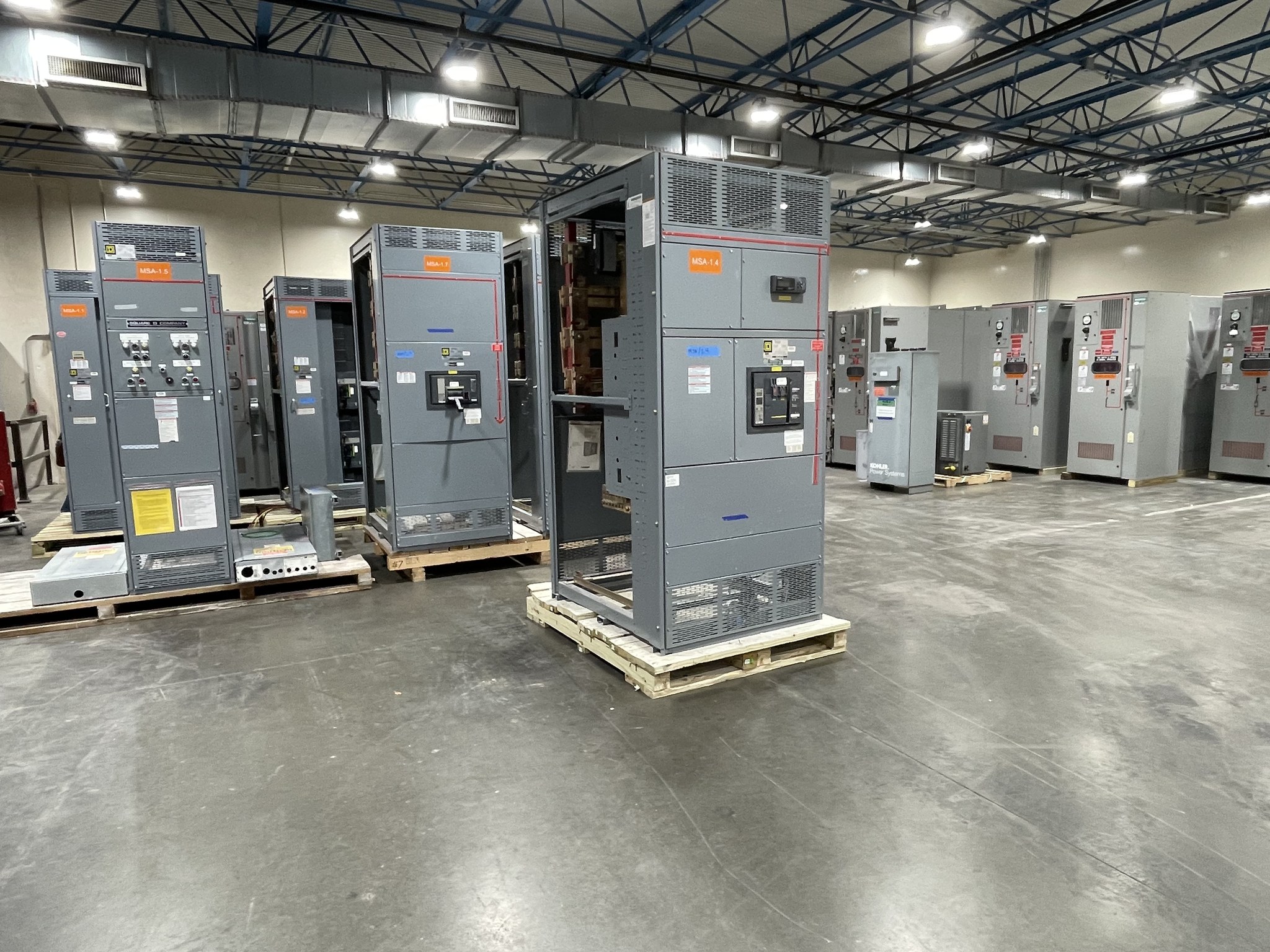
Start with the lineup as installed: its role in the facility, the two source paths it serves, the distribution sections downstream, and where the static-transfer section sits within that arrangement. Identify the equipment as a complete dual-source switchboard lineup with an integrated static-transfer section. That framing helps distinguish a coordinated distribution assembly from a standalone static-transfer switch, which is not the subject of this guide.
A hypothetical description might say that a lineup receives two documented sources, includes an integrated static-transfer section, and feeds identified distribution sections. Keep that account tied to drawings or existing records rather than assumptions about how the equipment operates. If adjacent assemblies, bypass arrangements, or associated components are part of the proposed package, list them separately and note that their inclusion is subject to discussion and review.
Keep voltage, amperage, and source details distinct
For each source and each documented lineup section, transcribe the ratings exactly as they appear in accessible records or on safely viewable exterior identification. Voltage and amperage describe different characteristics; neither can be derived from the other. Note the label’s context—such as whether it applies to a source, bus, or section—only when drawings or equipment documentation make that relationship clear. A page title or seller’s shorthand is not verified rating information.
Useful supporting material may include existing one-line diagrams, schedules, equipment lists, nameplate transcriptions, and control documentation. Record manufacturer and model identifiers where legible, along with section labels and any documented source or bus ratings. Do not open enclosures, approach energized apparatus, operate controls, or measure or test equipment to fill gaps. Mark uncertain items as unconfirmed so the buyer can review them as questions, not as established specifications.
Map lineup sections and integrated controls without dismantling
A lineup can include several physically joined sections whose functions are easy to blur in a short inventory entry. Make a simple section-by-section list using existing labels and drawings: incoming or source sections, the integrated static-transfer section, distribution sections, and any other identifiable portions. State whether the static-transfer equipment is incorporated into the switchboard lineup. Do not describe it as a mechanical ATS or recast it as a separate standalone switch.
Controls matter to identification, but documenting them does not require operating them. Existing schematics, control-panel labels, manuals, and records can help describe the control arrangement and identify visible associated items. For example, a hypothetical inventory might note that control documentation is available for the integrated section while a particular drawing is missing. Avoid asserting functions, interlocks, or operating sequences that the paperwork does not establish.
Set out condition, ownership, and package boundaries honestly
Describe what is known about the lineup’s history and present condition: whether it was removed from service, whether records identify a prior facility use, and whether any visible damage or missing sections are already documented. Do not imply that equipment is de-energized or that electrical work is complete unless reliable documentation supports those statements. No seller testing is required. The buyer reviews the information provided, and any specific offer remains subject to that review.
Clarify whether the proposed sale covers the complete lineup, identified sections only, or a larger decommissioned-area package. If equipment is adjacent to the switchboard, distinguish it from the distribution assembly rather than silently including it. Associated devices such as UPS units, batteries, transformers, or auxiliary controls should not be presented as automatically eligible standalone purchases; discuss any proposed inclusion with the buyer. The written scope helps prevent a difference between what was reviewed and what is available.
Coordinate access and removal around the facility’s constraints
Useful planning information includes the lineup’s general location within the site, access route, door or corridor constraints, loading conditions, and known restrictions on work hours or vehicle access. Share what site personnel already know; do not dismantle, rig, disconnect, or move equipment to prepare it for review. Qualified professionals handle electrical work as appropriate, while the buyer coordinates the practical removal plan with the seller and site contacts.
The Illinois buyer purchases used, surplus, and decommissioned electrical equipment, including switchboards and related distribution assemblies across voltage classes. Terms include a cash offer, payment upfront, and covered freight; no seller testing is required. For accepted equipment, the buyer handles crane, rigging, disconnects, loading, freight, and hauling, so the seller’s role is to provide accurate information and coordinate access—not perform removal. Payment is upfront, never after pickup. Review and arrangements depend on the particular equipment and site details.
Common questions
Should I list the integrated static-transfer section separately from the switchboard?
Identify it clearly within the lineup, including its section location and any documented controls, but describe the proposed equipment as the complete dual-source switchboard assembly. Do not market it as a standalone static-transfer switch or mechanical ATS.
What if the two sources have different ratings or incomplete records?
Report each documented source rating in its own context and distinguish voltage from amperage. Note missing or uncertain details rather than estimating them; existing drawings, schedules, and safely accessible exterior labels can support buyer review.
Does the seller need to disconnect or remove the lineup before pickup?
No seller removal, rigging, testing, or moving is required. The buyer handles disconnects as appropriate, crane and rigging, loading, freight, and hauling. Coordinate site access and provide accurate package details; payment is upfront, not after pickup.