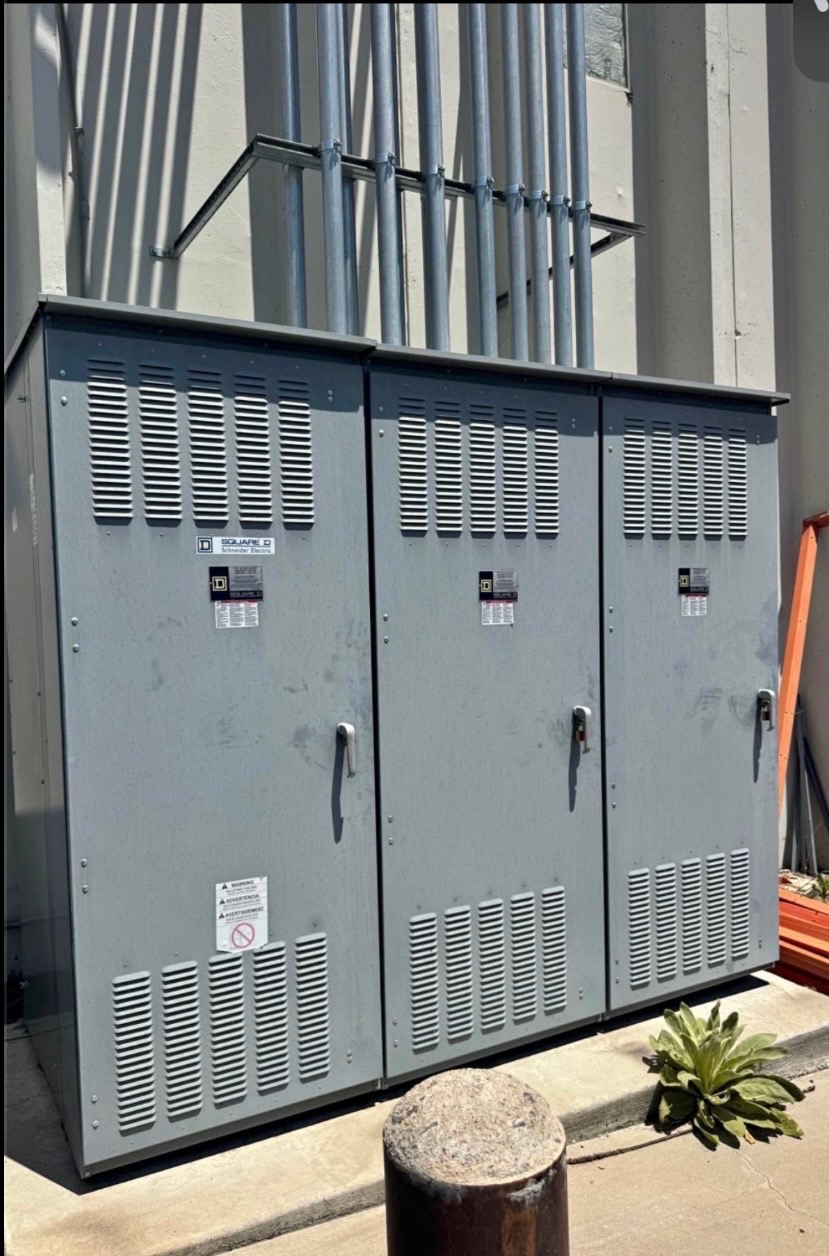
Separate the MCC lineup from the boiler feed pump
A boiler feed pump is mechanical equipment; its MCC is the electrical lineup that controls and protects motors and associated circuits. Keep the two descriptions separate in teardown records and sale discussions. A pump nameplate or process tag does not establish the MCC’s electrical rating, and an MCC label does not identify the pump’s condition. This distinction avoids mixing assets, ownership documents or removal responsibilities.
For example, a hypothetical plant inventory might list “boiler feed pump train B” as a package, while the lineup drawing identifies a separate MCC section serving that train. Describe the lineup as an electrical asset and note any known relationship to a particular pump or motor. If the pump is being sold or removed under a different contract, say so; the buyer can review the MCC scope independently.
Record voltage class, lineup details and starter compartments
Start with information already available: equipment schedules, one-line diagrams, control schematics, nameplates visible from a safe location, and existing maintenance or teardown records. Record the manufacturer, model or catalog identifiers, section count, approximate lineup arrangement, and voltage class where documented. Voltage class is not the same as ampere rating. Report each only from its own marking or paperwork; do not infer one from the other.
Next, inventory motor-starter compartments by section and identify any labels that indicate their intended loads, such as boiler feed pump motors or auxiliary circuits. Note whether the lineup appears to include a main section, feeder sections, or other functional sections, but distinguish documented facts from visual estimates. Do not open enclosures, operate devices, touch conductors, test or measure equipment, or approach energized apparatus to gather details.
Describe protection components without making condition claims
Protection components can make an MCC more identifiable and help a buyer understand its configuration. From existing records or safely accessible exterior markings, note whether documentation lists circuit breakers, fuses, overload relays, protective relays, or other motor-protection devices. Capture identifiers and compartment associations when known. A breaker’s ampere rating, if shown, is not a substitute for the lineup’s voltage class, and neither number alone establishes suitability for a future application.
For condition, use factual, limited language: for instance, “stored indoors according to site records,” “maintenance files available,” or “one compartment door is visibly dented from a safe viewing position.” Avoid calling equipment tested, operational, complete or de-energized unless reliable documentation supports the statement. No seller testing is required for an initial review. A specific offer and any next steps depend on the equipment information and scope reviewed.
Clarify what remains in the teardown scope
A useful inventory also explains how the lineup is configured and what is included in the proposed sale. Note whether sections are connected as a lineup or have been separated, whether loose buckets or components are associated with it, and whether drawings, spare parts or control equipment are available. Identify any known missing compartments or accessories rather than treating an incomplete assembly as a complete MCC. Photos should be limited to views that can be obtained safely without opening equipment.
Ownership and site coordination matter in a plant shutdown. Confirm who has authority to sell the MCC, whether liens or project controls affect release, and what access rules apply to the equipment area. Share known restrictions on work windows, escorts, permits, loading areas or crane access. Do not assume the MCC has been disconnected or that electrical work is complete; qualified professionals handle electrical work as appropriate, within the site’s requirements.
Coordinate review, removal and payment with an Illinois buyer
An Illinois buyer of used, surplus and decommissioned electrical equipment can review MCC information from shut-down power plants as part of a broader equipment purchase. Send the available identification, configuration, condition notes, ownership status and site constraints for discussion. Manufacturers named in records are identifiers, not endorsements or buying partners. The buyer can ask follow-up questions and determine whether the particular lineup fits its purchasing scope; there is no promise that every item will receive an offer.
The stated terms are cash offers, payment upfront, no seller testing required, and all freight covered. For accepted equipment, the buyer handles crane, rigging, disconnects, loading, freight and hauling, so the seller does not have to dismantle, rig or move the MCC. Agree on the specific equipment, access plan and removal details before work is scheduled, while following the plant’s safety and authorization procedures.
Common questions
Should I list the boiler feed pump and its MCC as one sale item?
Not unless ownership and sale scope genuinely combine them. Identify the pump and MCC separately, then note which starter compartments or circuits are associated with the pump. The electrical lineup can be reviewed independently.
What information helps identify a boiler feed pump MCC if I cannot test it?
Use existing drawings, schedules, maintenance records and safely accessible exterior markings. List documented voltage class, lineup sections, starter-compartment labels and protection-device identifiers. Seller testing is not required for an initial review.
Does the plant have to disconnect or load the MCC before pickup?
No. For equipment within an agreed purchase, the buyer handles disconnects, crane and rigging, loading, freight and hauling. Coordinate access and site requirements beforehand; payment is upfront, never after pickup.