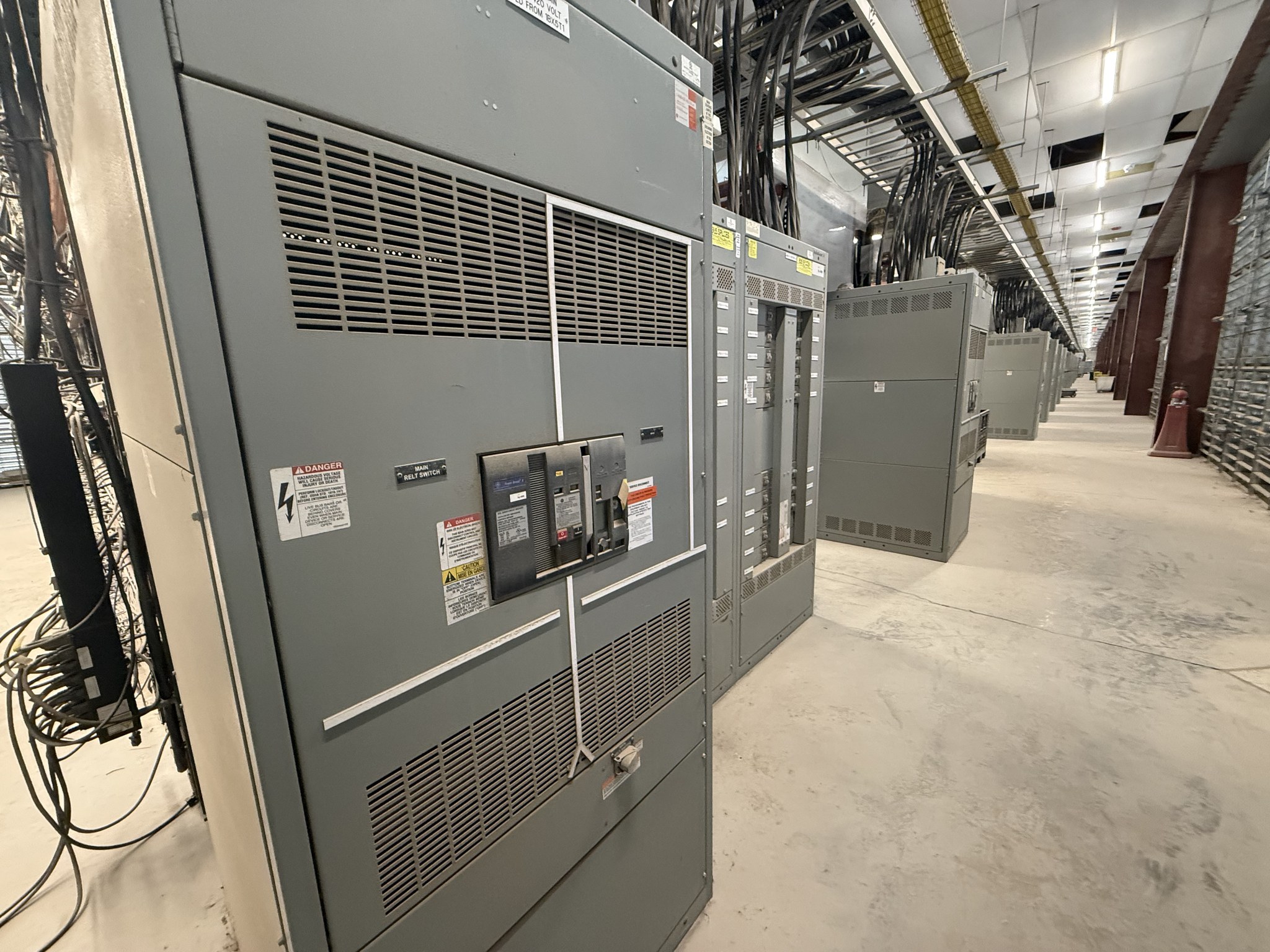
Define the MCC boundary before describing the pump system
Start with the lineup’s physical and electrical boundaries. An MCC generally consists of connected vertical sections containing a bus system and removable or fixed units for motor control and distribution. For a condenser circulating-water application, those units may serve large pump motors as well as smaller associated loads. Identify the MCC sections and their common bus or lineup arrangement from existing documentation; do not assume every nearby cabinet belongs to the same assembly.
The circulating-water pumps, piping and condenser are process equipment, not part of the MCC. Likewise, a standalone starter removed from the lineup is different from a complete MCC section or lineup. If the teardown includes adjacent control panels, transfer equipment or auxiliary components, list them separately and ask whether they may be considered with the assembly. Inclusion of such items is subject to discussion, not automatic.
Record sections, starter technology and documented motor details
A useful inventory describes each section and the starter units it contains. Existing drawings or schedules may identify across-the-line, reduced-voltage or variable-speed starting arrangements, but report only what the records actually say. Note unit designations, quantities and whether sections appear connected as one lineup. A hypothetical inventory might say, “six sections; pump feeders in sections two through five; starter type shown on drawing,” rather than guessing from cabinet appearance.
Keep motor information distinct from MCC ratings. A motor schedule may show horsepower, full-load current, service factor or other motor data, while the MCC documentation may show voltage, bus amperes, short-circuit information or unit ratings. These values describe different things: an ampere rating is not a voltage rating. Share recorded values with their source and label context; a page title or seller’s shorthand is not verification.
Use condition evidence that already exists
For a decommissioned plant lineup, useful context includes the shutdown or removal status, known service history, storage conditions and any documented damage, missing units or modifications. Existing maintenance records, inspection reports and photographs can help clarify what is present. Be candid about gaps: a record that is unavailable is not the same as a confirmed condition. The buyer can review the available description and determine what follow-up information is relevant.
Do not open enclosures, operate equipment, touch conductors, test or measure anything for a sale inquiry. Do not approach apparatus that may be energized. Use existing paperwork and only exterior information that is safely accessible. Do not presume electrical work is complete or that equipment is de-energized; qualified professionals should handle electrical work as appropriate under the site’s procedures.
Present the lineup as a teardown package, not a guessed bundle
A complete lineup may be more useful to assess than isolated units because its sections, bus arrangement and pump-duty grouping remain understandable together. Explain whether the assembly is still connected, already separated into sections, or staged in another configuration, based on what site personnel can safely confirm. If the lineup has been divided, indicate which sections belong together and whether any bus, unit or control components are known to be absent.
A hypothetical package note could distinguish “MCC sections and installed motor-control units” from “pumps retained by the plant” and “loose starters staged separately.” That simple boundary prevents confusion over what is offered. Do not dismantle or reconfigure equipment to improve the description. The buyer purchases used, surplus and decommissioned electrical distribution equipment, including MCCs; whether a particular package is suitable remains subject to review.
Coordinate access, review and removal responsibilities
When contacting the Illinois buyer, provide the plant location, a site contact, the number of sections, available documentation, known motor-control arrangement and current access constraints. Mention practical project conditions such as a restricted work window, indoor or outdoor staging, access routes, overhead clearance or site-specific contractor coordination, if known. These details help frame a discussion; they do not establish that a particular removal plan or offer has already been approved.
The company makes cash offers, pays upfront and covers freight; the seller is not required to test the equipment. For an accepted, reviewed transaction, it handles crane work, rigging, disconnects, loading, freight and hauling, so the seller’s role is limited to coordinating site access and receiving payment. Qualified professionals perform electrical work as appropriate. Discuss the specific offer, equipment scope and logistics directly; no offer or acceptance is guaranteed before review.
Common questions
Should I include the circulating-water pumps in the MCC description?
No. Describe the MCC lineup and its motor-control units separately from the pumps and mechanical system. If pumps or other adjacent equipment are also available, identify them as separate items and ask whether they can be considered.
What motor and electrical ratings should I provide?
Share values from existing schedules, drawings or nameplates, preserving each value’s label and context. Motor horsepower or current does not establish MCC voltage or bus amperage; do not infer a rating from another one.
Do we need to disconnect or test the lineup before contacting the buyer?
No seller testing is required, and the seller should not undertake electrical work for the inquiry. The buyer’s terms include handling disconnects and removal logistics for a reviewed transaction; qualified professionals perform electrical work as appropriate.