Describe the source ratings without guessing
Record the transfer switch’s manufacturer, catalog or model number, serial number, and any legible nameplate information. Note the source and load voltage ratings exactly as documented, along with frequency and other marked electrical characteristics. Do not derive voltage from the plant’s generator size, the switch’s former location, or a page title. If a rating is unclear, say so and share the available record for review rather than filling the gap with an estimate.
Keep amperes and volts distinct. A switch rated for a particular current does not thereby establish its voltage rating, nor does a voltage marking reveal its current capacity. A hypothetical unit described in a teardown list as a “480-volt black-start switch” may have a separate ampere rating on its nameplate; both values should be confirmed independently. Existing equipment schedules, purchase records, drawings, or safely accessible exterior markings can help resolve discrepancies.
Explain the former black-start role through records
Black-start support describes a system function, not a guarantee about a retired component’s present condition or capability. The switch may have selected between a normal source and an emergency or generator source within a larger operating scheme. Its former service description is useful context, but avoid presenting the removed unit as ready to perform that sequence, or claiming it remains suitable for a particular plant or application.
Control records can make the description more useful. If available, provide wiring or elementary diagrams, control schematics, sequence descriptions, control-voltage information, and records identifying interlocks or remote commands. A hypothetical teardown package might show that a switch received a start permissive from another panel; that detail helps explain the configuration, but does not demonstrate current operation. Share records as records, not as proof that the equipment has been tested or is functional.
Capture poles, arrangement, and what is included
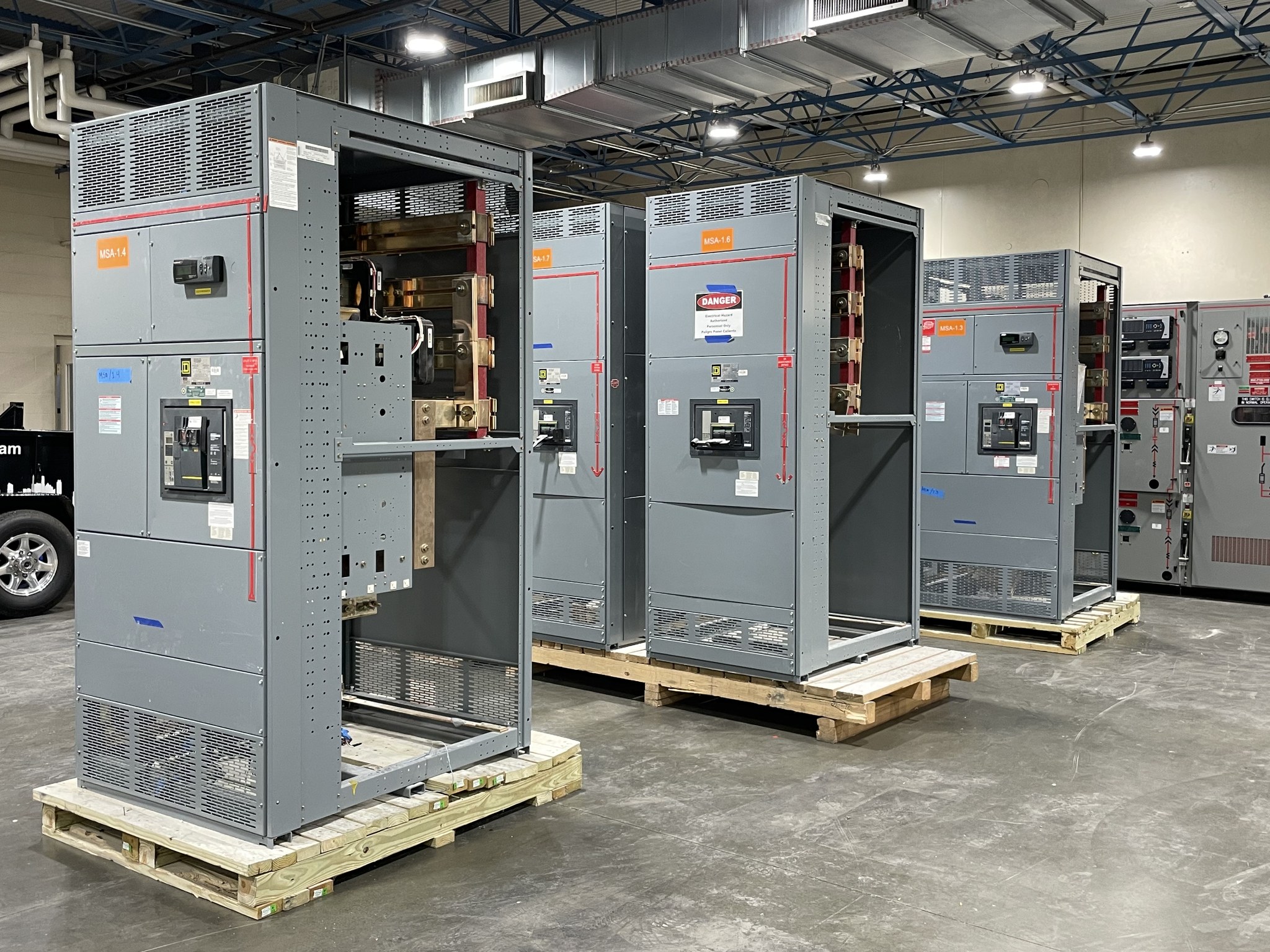
Pole count and switching arrangement are important identifiers, particularly when a switch handled more than one source. Report the marked number of poles and any documented neutral-switching arrangement; do not infer either from the plant’s one-line diagram alone. Note whether the assembly is open or enclosed, its general physical configuration, and whether controls, transition components, or associated sections are included. Drawings and exterior labels can clarify what belongs to the offered lot.
Be explicit about boundaries between the transfer switch and surrounding equipment. A switch may have been installed alongside a generator breaker, protective relays, control cabinet, or cable terminations, but that does not mean those items are included. A hypothetical sale lot could contain the switch mechanism and its dedicated control enclosure while excluding adjacent distribution gear. A simple inventory, annotated drawing, or safely taken exterior photographs can help prevent misunderstandings about quantity and configuration.
Report condition and provenance plainly
Useful condition information can come from project records and observations already available to the seller: removal inventory, maintenance history, prior service notes, known damage, missing doors or covers, and whether accessories were separated during teardown. State what is documented and what is unknown. No seller testing is required for a buyer review, and no one should be asked to open an enclosure, operate the switch, touch conductors, take measurements, or approach energized apparatus to prepare a description.
Ownership and traceability matter in a decommissioning sale. Identify the facility or project source at an appropriate level, confirm that the seller has authority to transfer the equipment, and flag any liens, disposal restrictions, or other title questions for resolution. Include available manuals and records with the offer information, but retain copies for project closeout. An absent test report is simply a limitation to disclose, not a reason to invent a result or imply the unit is certified for reuse.
Coordinate Illinois removal as part of the offer discussion
An Illinois electrical-equipment buyer can review used, surplus, and decommissioned transfer switches from power plant teardowns. To start, send the available identification, ratings, pole and control records, quantity, condition notes, ownership context, and site location. The buyer reviews those details and discusses a specific offer and any remaining questions; an offer is subject to that review, so avoid assuming every item in a mixed teardown will be accepted.
For equipment that is purchased, the stated terms are a cash offer with payment upfront, no seller testing required, and freight covered. Payment is made upfront, not after pickup. The buyer handles the removal logistics it undertakes, including disconnects as appropriate, crane and rigging coordination, loading, freight, and hauling; qualified professionals perform electrical work as needed. The seller is not expected to dismantle, rig, or move the switch. Site access, lifting constraints, schedule, and the division of work should be discussed before removal is arranged.
Common questions
Can I describe the switch as a black-start unit if it is already retired?
You can report its documented former role in a black-start support system, but do not imply the retired switch still provides black-start capability. Describe its present status accurately and share sequence or control records as historical documentation.
What if the nameplate gives amperes but the voltage record is missing?
Provide the marked ampere rating and identify the voltage as unknown or unconfirmed. Share available drawings or equipment records for review; do not infer voltage from current rating, plant context, or a listing title.
Do we need to test or dismantle the transfer switch before requesting an offer?
No seller testing is required, and the seller is not expected to dismantle, rig, or move the equipment. Send available records and discuss access and removal conditions; the buyer coordinates covered freight and removal work as agreed.