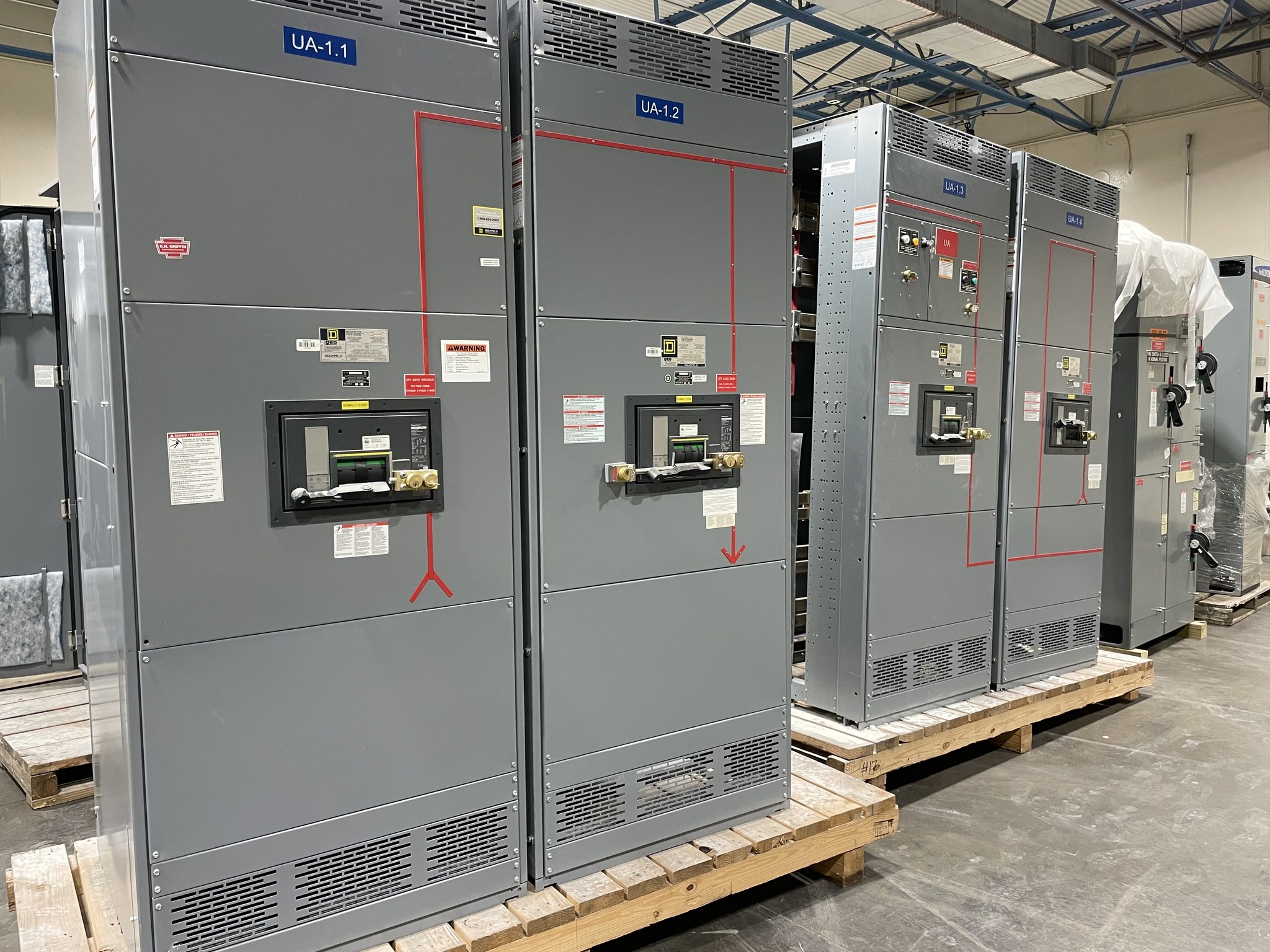
Separate the feeder switchboard from the furnace system
A furnace feeder switchboard distributes electrical power through sections and breakers; it is not the furnace, transformer, furnace control package or process machinery it served. That distinction matters when an area is being cleared as one closure project. Identify the switchboard as a separate asset and note any connected equipment only as context. Do not include adjacent components in the description unless ownership and sale scope are clear.
For example, a hypothetical plant inventory might list a furnace transformer, a feeder switchboard and furnace controls on separate lines, even if they occupy one electrical room. If the switchboard is being offered without the transformer or controls, say so. If the intended scope is uncertain, flag that for review rather than treating every nearby cabinet or bus connection as part of the board.
Build a rating record from breakers and documents
Record each breaker’s rating separately from the switchboard’s voltage rating. Ampere ratings describe current capacity; voltage ratings describe the electrical system and equipment rating. Neither can be inferred from the other. Use existing one-lines, schedules, nameplates or maintenance records to identify the board and its breakers, and preserve the source of each entry. A page title or seller’s shorthand is not a verified rating.
A practical inventory can list section identifiers, breaker labels, breaker ampere ratings where documented, and the board voltage where documented. Note gaps explicitly—for instance, “breaker label not legible in available records”—instead of filling them by assumption. Do not open enclosures, operate devices, touch conductors, test, measure or approach energized apparatus to collect information. Use paperwork or information visible from a safely accessible exterior only.
Describe section layout and configuration
A sectional description helps a buyer understand what is present without requiring the seller to dismantle or rearrange anything. Note the number of sections, their visible sequence or identifiers, and whether the offered scope appears to include the full lineup or only certain sections. Existing drawings can clarify feeder designations, ties and arrangement; photographs of safely accessible exteriors may help show nameplates and the lineup’s overall form.
For a hypothetical example, an inventory might describe three labeled sections in a continuous lineup, with two feeder breakers identified in the schedule and one section’s contents not confirmed. That is more useful than calling the entire assembly a “furnace panel.” Include known accessories or detached components only when their identity and inclusion are documented. Leave connections and internal construction for qualified professionals and buyer review.
Record heat exposure without diagnosing condition
Furnace service makes heat exposure a relevant question, but proximity alone does not establish damage or operating condition. Share known history in factual terms: whether the board was near a furnace, whether a reported heat event occurred, and whether existing records describe repairs or abnormal operation. Distinguish documented events from recollection or uncertainty. Avoid declaring equipment sound, defective or fully functional based only on appearance or its former service.
A hypothetical note could say, “The lineup served furnace feeders; a maintenance log records elevated room temperature during one period; no condition assessment is included.” That gives a reviewer useful context without presenting an unsupported diagnosis. Do not energize or test the board to answer a buyer’s question. The buyer reviews the information provided and the specific equipment details; any offer remains subject to that review.
Coordinate closure scope, ownership and removal
Before requesting an offer, clarify who owns the switchboard and who can authorize its sale, particularly when a plant closure involves an owner, landlord, liquidator or contractor. Identify the site and the planned closure or clearance context, plus any known access windows, loading constraints or coordination contacts. Do not assume that electrical isolation or other work is complete; share what is known and leave site-specific electrical decisions to qualified professionals.
The Illinois buyer purchases used, surplus and decommissioned electrical equipment, including switchboards, across voltage classes. It offers cash, pays upfront, requires no seller testing, and covers freight. For an accepted, reviewed scope, the buyer handles the needed disconnects, crane and rigging, loading, freight and hauling so the seller is not asked to dismantle, rig or move the equipment. Discuss access and removal details directly; no particular item or offer is guaranteed before review.
Common questions
Should a furnace feeder switchboard listing include the furnace transformer?
Only if the transformer is part of the proposed sale and its ownership and identity are clear. Describe the switchboard separately, then note adjacent equipment or shared project scope as context rather than combining distinct assets.
How should I report breaker ratings when labels or schedules disagree?
List each source and its wording, identify the discrepancy, and mark the rating unconfirmed. Keep breaker ampere information separate from board voltage; do not resolve conflicts by inference or by testing equipment.
Does a closure seller need to prepare the lineup for pickup?
The buyer covers freight and coordinates required disconnects, rigging, loading and hauling for the reviewed scope. The seller should share ownership, access and schedule information, but should not dismantle, move or test the board.