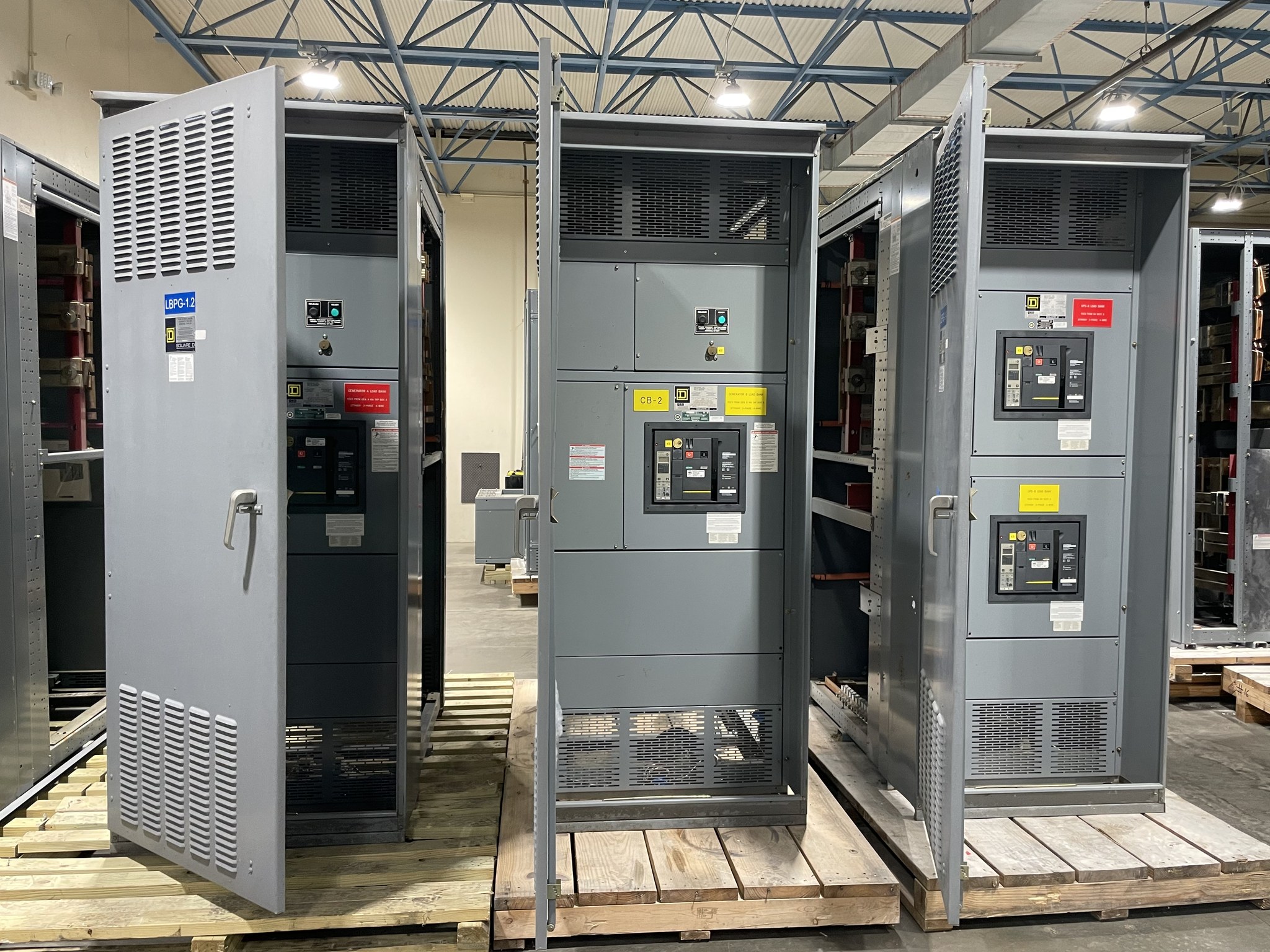
Use the circuit schedule to separate distribution from machine controls
Start with existing panel directories, single-line drawings, asset lists, and shutdown records. A panelboard schedule commonly identifies branch circuits by load or area, such as line receptacles, lighting, pumps, or packaging equipment. A control cabinet may instead have drawings centered on a particular machine, motor starter, PLC, or sequence. These clues help classify equipment; a handwritten description alone does not establish its rating or internal configuration.
For example, a hypothetical schedule might list circuits for a can washer, conveyor, and labeler, while a separate cabinet drawing names those machines as one integrated control system. The scheduled panelboard could be a distribution asset even though its loads serve the canning line. Preserve both records and explain the distinction rather than combining the panelboard, machine controls, and production equipment into one assumed lot.
Record identification details without treating labels as verified ratings
For each candidate panelboard, note manufacturer, catalog or model number, available serial information, enclosure markings, and any readable nameplate details from existing documentation or safely accessible exterior surfaces. Record voltage and ampere information as separate fields. Do not infer voltage from amperage, or amperage from voltage, and do not treat a page title, inventory shorthand, or seller description as confirmation of either rating.
If the schedule is incomplete, say so and share what is actually known: for instance, that a label is obscured, a directory is missing, or records refer to a former line location. Photographs should be limited to information obtainable without opening an enclosure or approaching energized apparatus. No one should open, operate, touch, test, or measure equipment to prepare an inquiry; qualified professionals handle electrical work as appropriate.
Describe enclosure condition separately from operating history
A panelboard's exterior condition can help frame a review, but it does not prove internal condition or readiness for reuse. From a safe, accessible viewpoint, describe visible features such as dents, corrosion, missing external covers, water staining, or damaged hinges. Note whether the enclosure is mounted, removed, or stored, if that information is already known. Avoid cleaning, opening, or altering equipment solely to make it appear more complete.
Shutdown circumstances matter as context, not as a substitute for inspection. A panelboard may have served a dry packaging room, a washdown-adjacent area, or a utility space; these settings suggest different exposure histories, but do not establish a condition assessment. Share known leaks, spills, long-term storage, or removal records candidly. A buyer can review the details, while any specific offer and equipment scope remain subject to that review.
Make the shutdown inventory useful for a buyer's review
Create a short asset list that links each panelboard to its former location or line area, schedule or drawing reference, visible identification, and known enclosure condition. Keep separate entries for machine-mounted controls, motor-control equipment, and process machinery. If several panels are grouped together, label each item in the inventory or provide a simple location key. This reduces the risk that a distribution panel is confused with a canning-machine cabinet.
A hypothetical example: one line-side panelboard has a readable exterior nameplate and a typed circuit directory, while a nearby stainless cabinet is identified in records as the seamer's control enclosure. List them as separate assets and attach the relevant records to each entry. Include uncertainty rather than filling gaps with guesses. Manufacturers help identify equipment, but their names do not imply a relationship with the buyer or confirm suitability.
Coordinate site access, removal, and payment before the shutdown window closes
An Illinois buyer of used, surplus, and decommissioned electrical equipment reviews panelboards across voltage classes, along with switchgear, switchboards, MCCs, busway, transfer switches, breakers, and unit substations. For canning-line assets, send the inventory and available records for review and clarify which items are panelboards rather than machinery. The buyer can discuss a specific scope and offer after considering the information; there is no promise that every listed item will be accepted.
If equipment is included in a transaction, the buyer's terms are cash offers, payment upfront, no seller testing required, and freight covered. The buyer handles crane, rigging, disconnects, loading, freight, and hauling, coordinating site access and removal details with the seller; the seller is not expected to dismantle, rig, test, or move the equipment. Qualified professionals perform electrical work as appropriate, and site conditions and access should be discussed before arrangements are made.
Common questions
How can I tell a canning-line panelboard from a machine control cabinet?
Compare existing circuit schedules and drawings: distribution directories often list multiple branch loads, while machine documents focus on a specific unit or sequence. Treat these as identification clues, not definitive proof.
Should we test or open a panelboard before requesting an offer?
No seller testing is required. Do not open, operate, touch, test, or measure equipment. Share existing paperwork and safely accessible exterior information; qualified professionals handle electrical work as appropriate.
Who handles removal and freight when a panelboard is included?
The buyer covers freight and handles crane, rigging, disconnects, loading, and hauling. Discuss site access and scope in advance. Payment is upfront, never deferred until pickup.