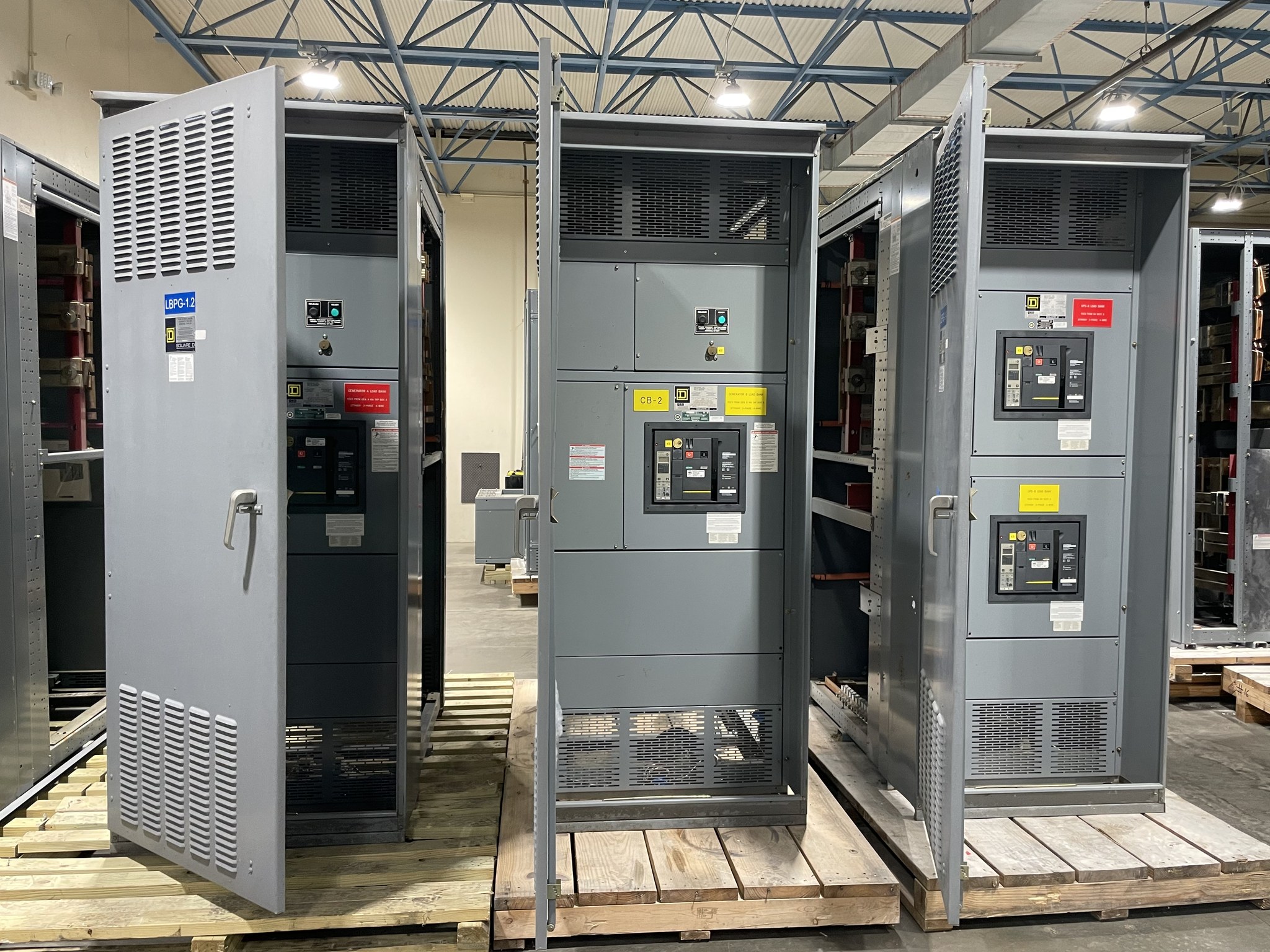
Start with the lineup nameplate—not the page title
Record the wording and information from each safely accessible exterior nameplate or existing equipment document. A lineup may include a Pow-R-Line designation, catalog or style information, manufacturer, serial number, and electrical characteristics. Share what is actually documented, including incomplete or hard-to-read fields, rather than filling gaps from memory. A listing title such as “Pow-R-Line 4000” is a description, not verified evidence of the equipment’s rating or exact configuration.
Keep voltage and amperage separate when communicating ratings. Voltage describes the system’s electrical potential; amperage describes current capacity. Neither can be derived from the other, and a number on a label should not be assigned a meaning without its context. If nameplates differ between sections, report that rather than assuming they are interchangeable. Existing drawings, schedules, or records can help clarify discrepancies without anyone opening equipment.
Make the main and feeder breaker schedule useful
A breaker schedule gives a buyer a practical picture of how the board was arranged. If records are available, summarize the main device and each feeder by its documented label, type, and rating, preserving distinctions between frame information, trip information, and other markings. Note blanks, spares, or positions identified as unused. Do not infer breaker details from a lineup’s overall nameplate or treat a panel schedule as proof of what remains installed.
For example, a hypothetical lineup might have a schedule showing one main breaker and several named feeder circuits, while a later drawing lists an additional spare position. That difference is worth flagging as a documentation-versus-current-configuration question, not resolving by guesswork. Share a clear copy of the existing schedule and describe its date or source if known. No one needs to operate breakers, test devices, or access internal compartments to provide this information.
Disclose field modifications section by section
A Pow-R-Line lineup may have been changed after installation: a feeder added, a section removed, a breaker replaced, or a control or metering arrangement revised. Identify changes you know about and indicate which section they affect. If the history is uncertain, say so plainly. This is more useful than calling the entire board original or unmodified when only some sections are supported by records.
A hypothetical example would be a lineup whose original drawing shows four sections but whose current exterior arrangement appears to include three, with site records noting a later feeder change. Share both pieces of information and identify which is a record and which is an observation. Do not remove covers or inspect energized equipment to settle the question. The buyer can review the available description and determine what further information is appropriate.
Describe what is included and how the lineup is situated
Explain whether the offered equipment is a complete lineup or only identified sections, and list associated breakers or accessories only when you can confirm they are included. Mention known gaps, disconnected sections, or components stored separately. Photographs of safely accessible exteriors and copies of existing paperwork can help establish layout and visible condition; avoid presenting a photo or an old drawing as proof that the current contents match it.
Site and access details matter because switchboards are large, heavy equipment and removal logistics vary. Share the general pickup location in Illinois, known access restrictions, door or loading constraints, and whether lifting equipment or coordinated site access may be needed. The buyer handles crane, rigging, disconnects, loading, freight, and hauling as appropriate. Sellers should not dismantle, rig, move, or prepare the switchboard for shipment.
Coordinate a review and pickup without assuming the outcome
When you contact the Illinois buyer, send the lineup identification, available nameplate details, breaker schedule, known modifications, included sections, and a concise account of access. The buyer reviews that information and may ask follow-up questions or request additional safely accessible exterior information. A specific offer and any pickup details remain subject to review; describing a Pow-R-Line lineup does not guarantee an offer for every configuration or condition.
The company buys used, surplus, and decommissioned electrical equipment, including switchboards, and offers cash with payment upfront rather than after pickup. No seller testing is required, and freight is covered. For an accepted transaction, qualified professionals handle electrical work as appropriate and coordinate the removal and transport plan with the site. The seller’s role is to provide accurate information and coordinate access—not to test, disconnect, dismantle, or load the equipment.
Common questions
Which Pow-R-Line details should I send if the nameplate is partly unreadable?
Send the legible wording and explain which fields cannot be read. Add available drawings or schedules, but label them as records rather than verified current conditions. Do not open an enclosure to find missing information.
How should I report a feeder breaker that differs from the old schedule?
Describe the discrepancy, identify the source and date of the schedule if known, and state what is safely observable from outside. Leave the difference unresolved rather than operating equipment or inspecting internal compartments.
Does a field-modified Pow-R-Line lineup need to be restored before pickup?
No restoration or seller dismantling should be assumed. Disclose known changes and provide available records; the buyer reviews the configuration and discusses any transaction-specific arrangements, with qualified professionals handling electrical work as appropriate.