Start with the complete breaker identification
Record the manufacturer, exact model or catalog number, serial number, nameplate information, and any revision or suffix markings that are already visible. Include the stated voltage class as printed in the documentation or on safely accessible exterior information. A listing that says “4,160V breaker” is a useful lead, not verified identification; the buyer will need the actual details available for review.
Keep ampere rating and voltage rating distinct. A breaker’s ampere rating describes a different characteristic from its voltage rating, and neither should be inferred from the other. If a record gives only one rating, report only that one and flag the missing information. Clear photographs of existing exterior labels and copies of equipment schedules can help resolve ambiguity without anyone opening an enclosure or approaching energized apparatus.
Match the breaker to its cell documentation
Metal-clad breakers are not universally interchangeable simply because they share a 4,160-volt designation. The switchgear manufacturer, gear lineup, cell arrangement, breaker design, control configuration, and mechanical interfaces can all matter. Provide the switchgear model and lineup information where documented, plus cell numbers or equipment schedules that associate each breaker with its intended position.
For example, a hypothetical facility might have two breakers described as 4.16-kV vacuum units but records that assign them to different lineups or cell designs. That distinction is worth preserving rather than assuming the units are equivalent. Existing drawings, bills of material, nameplate transcriptions, and prior inventory lists can help the buyer compare the breaker identity with the cell information; do not attempt a fit check or operate the breaker to answer questions.
Use maintenance records to describe condition accurately
Gather available inspection reports, service histories, maintenance dates, repair documentation, trip-unit or control information, and records of known deficiencies. Identify what each document covers and which breaker it concerns, especially when multiple units have similar descriptions. A maintenance report can inform review, but it is not a substitute for confirmed model and cell data, and the seller is not required to test equipment for a sale inquiry.
Be precise about unknowns. If a breaker’s operating history is incomplete, say so; if a report applies to the switchgear lineup rather than an individual breaker, make that clear. Do not operate, test, measure, open, or touch equipment to fill gaps. Information can be shared from existing paperwork and safely accessible exterior labels. Any specific offer and its details remain subject to review of the equipment information and proposed transaction.
Describe what is included and how it is stored
List each breaker separately when models, serial numbers, condition notes, or associated accessories differ. Note documented control plugs, racking components, auxiliary items, or other parts included with a unit, and distinguish included items from components that remain installed in the lineup. Describe whether breakers are individually stored, grouped, or still associated with a decommissioning project, based on what is already known.
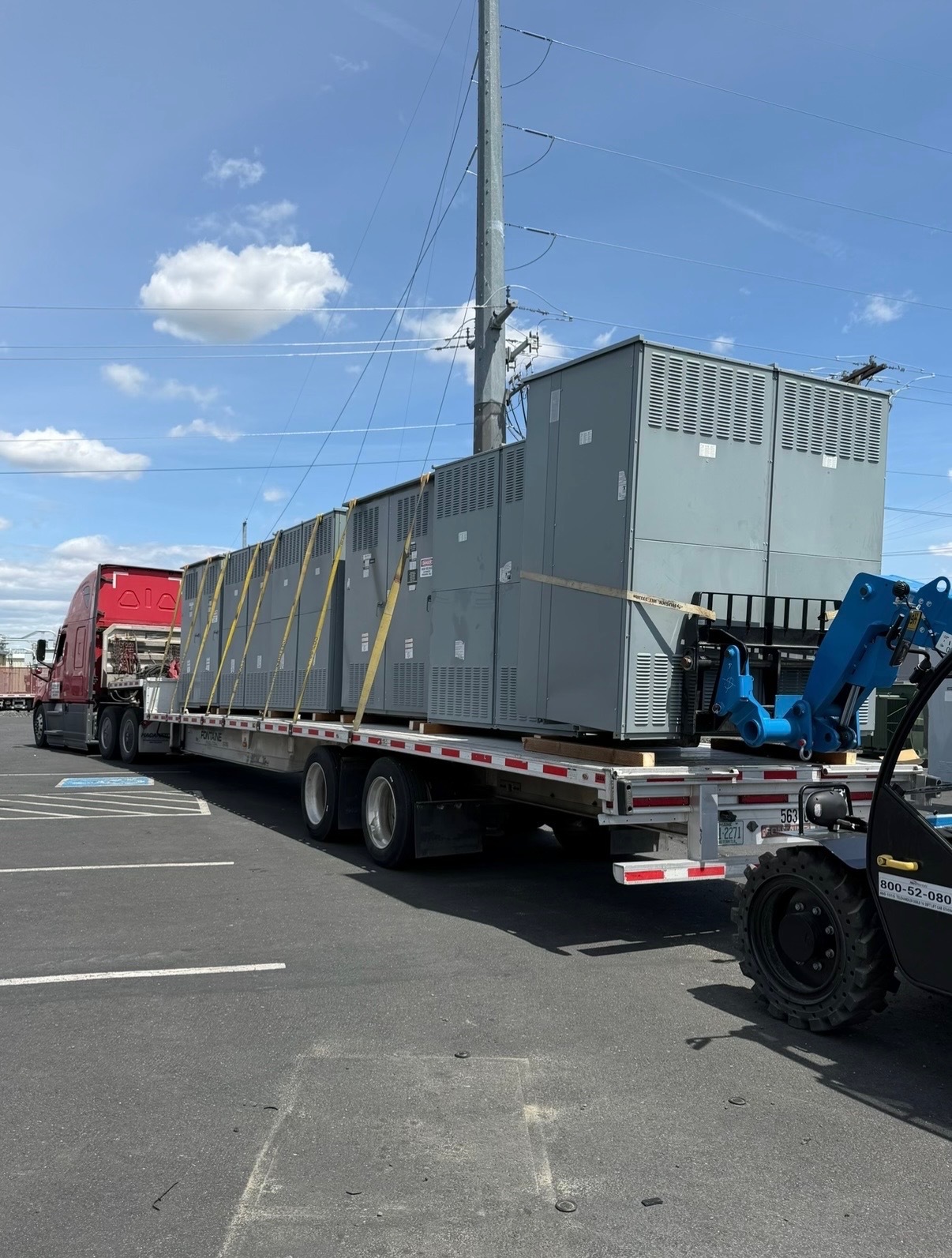
Packaging and configuration affect planning, so mention existing crates, pallets, protective covers, storage areas, and any known access constraints. Do not dismantle, rig, disconnect, or move the equipment for the buyer. The Illinois buyer coordinates appropriate qualified professionals for electrical work and handles crane, rigging, disconnects, loading, freight, and hauling as applicable. Site details can be discussed so the pickup plan reflects the actual equipment and location.
Coordinate review, offer, payment, and removal
A practical inquiry can include the equipment list, safely accessible label photos, relevant cell and lineup records, maintenance documents, approximate quantity, and general site-access information. The buyer reviews those details and can ask follow-up questions before making a specific cash offer. The company buys used, surplus, and decommissioned electrical equipment, including breakers across voltage classes, from sources such as shut-down power plants and decommissioned data centers; that does not mean every item or configuration will be accepted.
For equipment approved through the review, the stated terms are a cash offer with payment upfront, no seller testing required, and freight covered. Payment is made upfront, not after pickup. The buyer arranges applicable removal and transportation work, while qualified professionals handle electrical work as appropriate. Nothing requires the seller to dismantle, load, rig, or move the breakers. Confirm the offer scope, included items, access plan, and transaction details before proceeding.
Common questions
What should I send if the breaker label says 4,160 volts but does not show the cell model?
Share the exact visible model and serial markings, plus existing switchgear schedules, lineup drawings, or cell records. Mark missing details as unknown; do not open equipment or perform a fit check.
Can two 4,160-volt metal-clad vacuum breakers be treated as interchangeable?
No. Voltage designation alone does not establish cell compatibility. Manufacturer, gear lineup, cell design, mechanical interfaces, and configuration records may matter, so each breaker should be reviewed against its documented cell.
Do I need to test or remove the breakers before requesting an offer?
No seller testing is required, and you should not dismantle or move them. Provide available records and safe exterior information; the buyer coordinates removal, freight, and qualified electrical work as applicable.