Start with the breaker’s documented voltage class
Build the inventory from existing nameplate information, equipment schedules, purchase records, and maintenance files—not from the phrase “13.2-kV breaker” alone. A system’s nominal operating voltage describes the electrical system; the breaker’s nameplate voltage class describes the equipment rating. They are related, but they are not interchangeable, and the class cannot be established by guessing from the system voltage.
Record the manufacturer, model, serial number, and every legible voltage designation as written. If paperwork identifies a 13.2-kV feeder but the breaker label gives a different class, retain both facts and note where each came from. For example, a hypothetical schedule might call a feeder “13.2 kV” while its breaker paperwork lists a higher equipment class. Let the documentation show that distinction rather than relabeling the breaker.
Capture interrupting rating as a separate data point
The interrupting rating is not the same as either nominal system voltage or the breaker’s voltage class. Copy the nameplate value and its stated units exactly, along with any related short-circuit or duty information shown in records. Do not infer an interrupting capability from a model name, ampere rating, or the fact that the breaker served a particular feeder.
A practical inventory can use separate fields for system nominal voltage, breaker voltage class, interrupting rating, continuous-current rating, and source of each entry. Ampere rating describes current-carrying capacity; it does not establish voltage class or interrupting capability. If a value is missing, say “not found in available records” rather than filling the gap with a value copied from a neighboring breaker.
Match each breaker to its associated cell
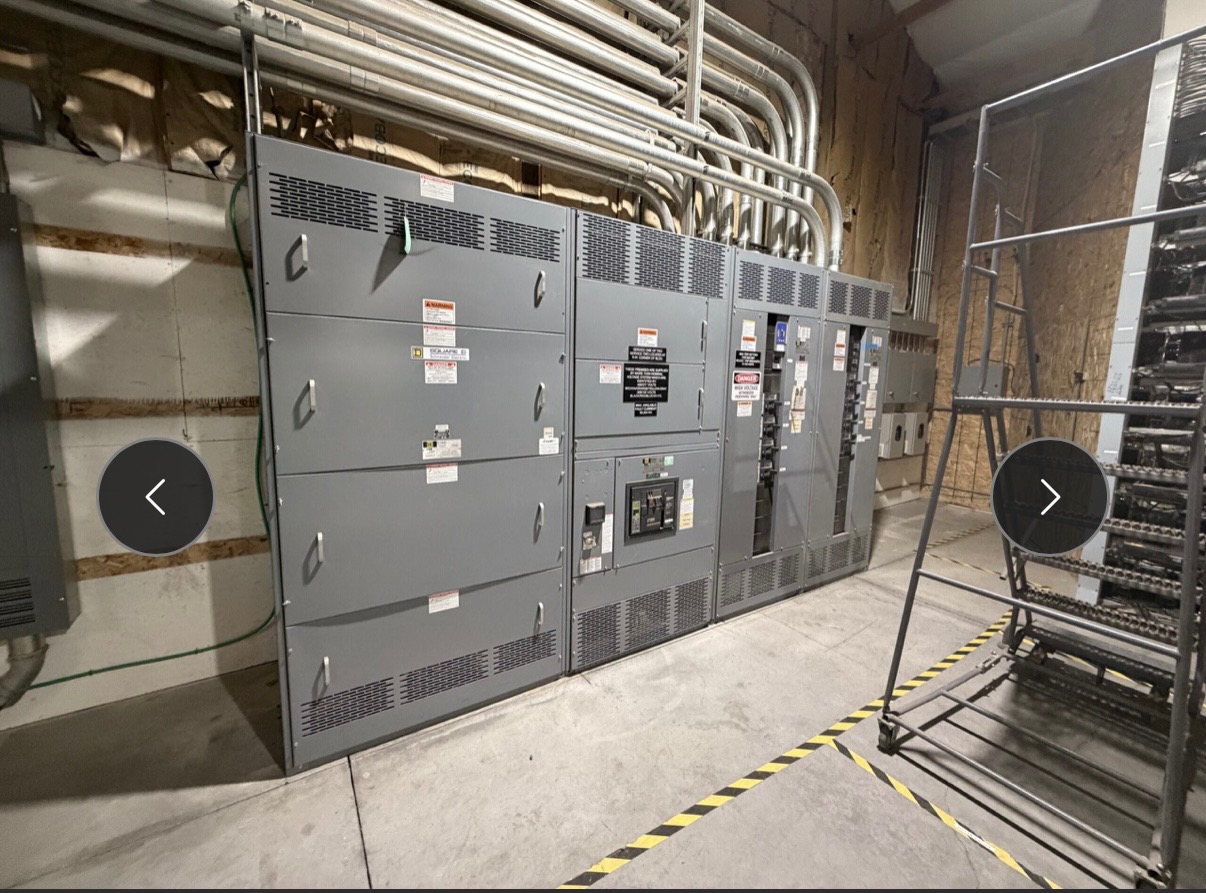
A feeder breaker removed or offered with its switchgear cell is easier to describe accurately when the relationship is documented. Note the lineup or section identifier, cell position, feeder designation, and any cell nameplate or drawing reference available. Record whether the offer includes the breaker alone or also the associated cell and other components; do not assume a loose breaker will fit a cell based only on appearance.
For a hypothetical lineup, an inventory entry might read: “Feeder F-4; breaker serial number recorded; associated cell position 4; cell and breaker included; drawing reference listed.” That is more informative than simply listing four breakers from a 13.2-kV lineup. If the pairing is uncertain, mark it as uncertain. Existing drawings and safely accessible exterior labels can help clarify configuration without opening equipment.
Describe condition and completeness without testing
A seller does not need to test a breaker to request review. Share what is already known from records, such as storage history, service status, repair documentation, or whether accessories and operating mechanisms are reported present. Distinguish documented facts from visual impressions and unknowns. Do not open an enclosure, operate equipment, touch conductors, take measurements, or approach apparatus that may be energized to gather sale information.
List included items separately: breaker, cell, racking components, control wiring or accessories, manuals, and available drawings. A missing item is useful information, not a reason to guess at completeness. If photographs are already available or can be taken safely from an accessible exterior position, they may help show labels and overall configuration; no testing or seller-performed dismantling is required.
Coordinate review, removal, and payment with the buyer
An Illinois buyer of used, surplus, and decommissioned electrical equipment can review feeder breakers from data-center decommissioning, a shut-down power plant, or another project. Send the inventory, available documentation, location, ownership confirmation, and a clear description of what is included. The buyer can then discuss a specific offer subject to review; a listing or system voltage alone does not guarantee an offer or acceptance.
The buyer’s terms include cash offers, payment upfront, no seller testing requirement, and freight covered. For equipment included in an agreed transaction, the buyer handles the applicable disconnects, crane and rigging coordination, loading, freight, and hauling using qualified professionals as appropriate. The seller is not expected to dismantle, rig, test, or move the equipment. Confirm site access, pickup constraints, and scope before scheduling; payment is upfront, not after pickup.
Common questions
If the feeder system is 13.2 kV, should I list the breaker as 13.2 kV?
List 13.2 kV as the system’s nominal voltage only when records support it. Enter the breaker’s voltage class separately from its nameplate or documentation; do not treat the system figure as verified equipment rating.
Which rating information helps distinguish similar feeder breakers?
Record the documented voltage class, interrupting rating, continuous-current rating, manufacturer, model, and serial number as separate fields. Include the source for each value and leave undocumented entries blank or marked unknown.
Do I need to remove a breaker from its cell or test it before requesting an offer?
No seller testing or dismantling is required. Describe whether the breaker and cell are included, share available records, and coordinate site access. The buyer handles agreed removal and logistics with qualified professionals as appropriate.