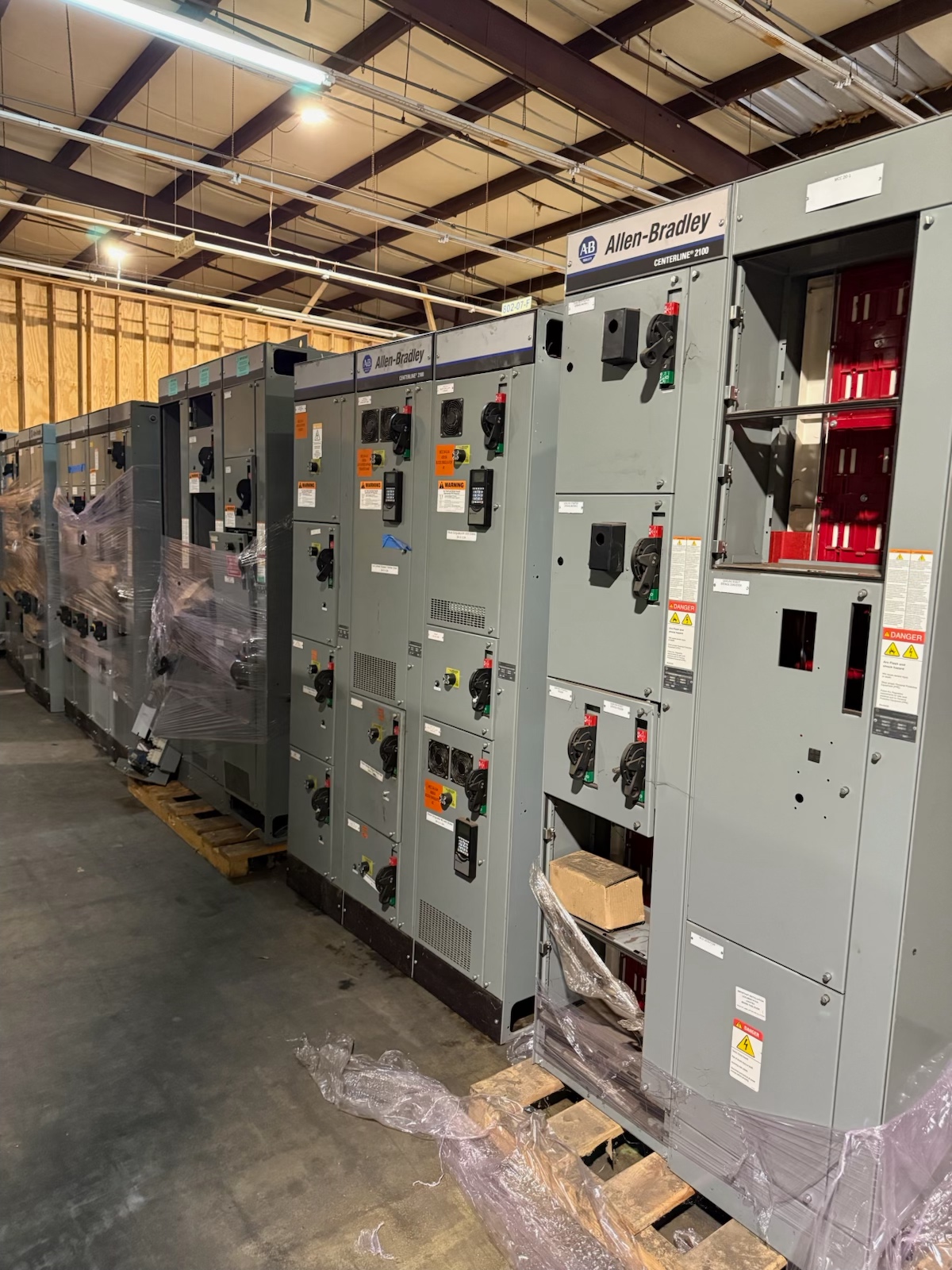
Build an identification record from existing information
Start with photographs of safely accessible exterior nameplates, lineup identification plates, and equipment labels. Capture the manufacturer, model or catalog number, serial number, section designations, and any stated voltage information as it appears. Include a view showing how sections are arranged, but do not open an enclosure or approach apparatus that may be energized. Existing drawings and schedules can help fill gaps without inspecting internal components.
Treat “27-kV-class” as a description of the equipment category, not proof of every rating. Voltage rating and ampere rating describe different properties; neither can be inferred from the other. A page title, seller’s shorthand, or remembered project description is not a verified rating. If the label or available documents are unclear, report the wording as uncertain and let the buyer review it rather than converting it into a definite specification.
Describe the lineup as a configuration, not a single cabinet
A useful lineup record identifies the apparent number and order of sections and any visible designations for incoming, feeder, metering, tie, or auxiliary sections. Note whether the equipment is a connected lineup or separate sections, and whether there are associated control cabinets or other components being offered. These details help a buyer understand scope; do not assume that every section or accessory shown in old drawings remains on site.
For example, a hypothetical seller might have exterior photos showing six sections, while an older one-line diagram depicts five. Record both sources and flag the mismatch instead of silently treating either as current. Include document dates when known. This helps the buyer ask focused questions about completeness and configuration while avoiding a claim that the lineup is ready for service or that its present condition matches historical records.
Gather available insulating-medium records without inspecting internals
Collect existing manuals, equipment schedules, maintenance records, commissioning files, and nameplate photographs that identify the insulating medium, if those records are available. The relevant information may distinguish air-insulated construction from equipment using another insulating medium, but do not guess from appearance or assume all 27-kV-class designs use the same arrangement. Share the document title, date, and equipment identifier so the buyer can judge how directly it applies to the offered lineup.
Do not open compartments, operate switches, take samples, test, measure, or approach energized apparatus to answer a documentation question. If records are missing or contradictory, say so plainly. A hypothetical maintenance file might refer to one model family while the installed nameplate shows another; that discrepancy is useful to disclose, not a reason for the seller to investigate inside the equipment. Qualified professionals manage isolation and any necessary electrical work.
Explain condition, ownership, and what is included
Give a practical account of what is known from existing records and safely accessible exterior views: whether the lineup is in place, stored, incomplete, visibly weather-exposed, or associated with a decommissioning project. Distinguish direct observations from assumptions, and disclose known damage or missing sections. Do not represent the gear as tested, de-energized, or suitable for reuse unless that status is supported and relevant documentation is available.
Identify who owns the equipment or is authorized to arrange its sale, and list included items separately where possible. For instance, a hypothetical offer could include the switchgear lineup and a separately inventoried group of spare parts, with no assumption that unrelated controls or building equipment are included. Ownership and scope clarity can prevent confusion when a buyer reviews the opportunity and prepares a specific offer subject to review.
Coordinate review, isolation, and removal at the site
Share the Illinois site location, access constraints, approximate pickup area, known loading conditions, and project contact who can coordinate with the buyer. Mention practical limits such as restricted hours, security check-in, overhead clearance, or a planned building shutdown when known. Do not arrange to disconnect, dismantle, rig, or move the switchgear yourself. Qualified personnel handle isolation and appropriate electrical work; the buyer coordinates crane, rigging, disconnects, loading, freight, and hauling as applicable.
The company buys used, surplus, and decommissioned electrical equipment, including distribution switchgear, in all voltage classes. It makes cash offers, pays upfront, requires no seller testing, and covers freight. The specific equipment and transaction details remain subject to review; these terms are not a promise to accept every item. Share the available records and project constraints first, then discuss the lineup and a possible offer. Payment is upfront, not after pickup, and the seller’s role is to provide information and coordinate access—not perform removal work.
Common questions
What should I do if the label does not clearly confirm the 27-kV class?
Send a readable exterior photo and any matching drawings or schedules, and quote the label exactly. Identify uncertain or conflicting descriptions rather than treating a page title or remembered rating as verified.
Do I need to determine the insulating medium by opening a compartment?
No. Share existing manuals, nameplates, and maintenance records that may identify it. Do not open equipment or investigate internally; qualified personnel manage isolation and any required electrical work.
Who disconnects and moves the lineup, and when is payment made?
The buyer coordinates applicable disconnects, rigging, loading, freight, and hauling, so the seller does not dismantle or move the gear. Cash payment is upfront, before pickup, subject to review of the offer and details.