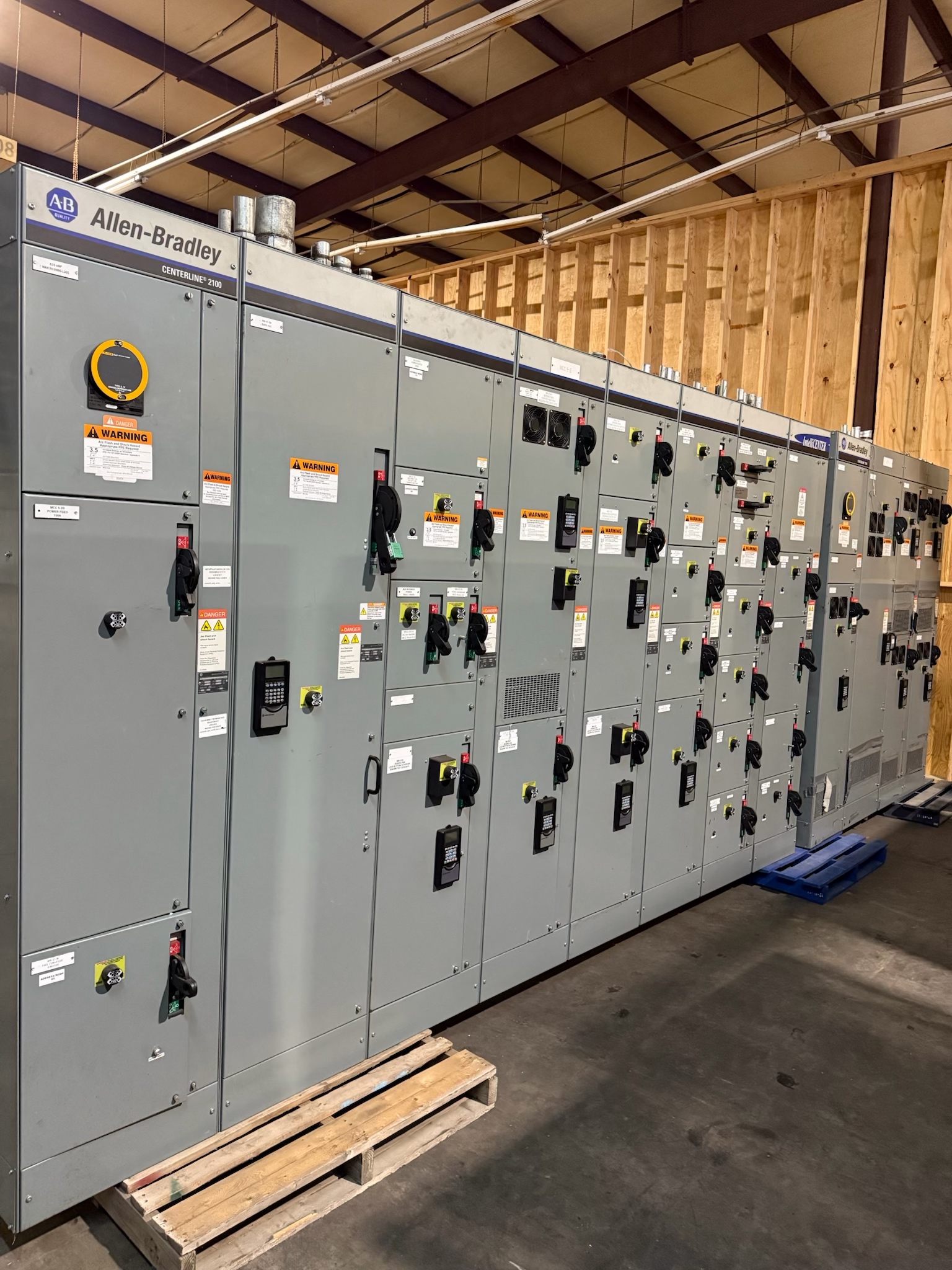
Read the nameplate as identification, not a voltage assumption
Record the manufacturer, model or catalog designation, serial number, and every legible electrical rating shown on existing nameplates. A 15-kV-class designation identifies an equipment class; it does not establish the actual voltage of the connected system. System voltage, maximum design voltage, and other nameplate values are distinct. Preserve the label wording or provide a photograph of it rather than translating a value into a system rating.
Ampere rating is separate from voltage rating. For example, a hypothetical lineup could be described as 15-kV-class while its nameplate lists a particular continuous-current rating; that current figure does not tell a buyer the site’s operating voltage. If labels are missing, obscured, or inconsistent with an old asset list, say so. Do not open enclosures or approach energized equipment to obtain details; use existing records and safely accessible exterior information.
Describe the switching arrangement and lineup boundaries
A useful inventory explains how the metal-enclosed lineup is configured: the apparent count and sequence of sections, incoming and outgoing positions, bus-tie or sectionalizing positions, and any metering or auxiliary compartments identified in drawings. These are descriptions, not a request to inspect internal parts. A one-line diagram, lineup schedule, or legacy equipment list can help establish what the seller believes is included.
Avoid reducing a multi-section lineup to “switchgear” if its arrangement can be documented more precisely. As a hypothetical example, a facility might list an incoming section, several feeder sections, and a tie section, while records show that one feeder compartment was removed years earlier. Flag that discrepancy for review rather than presenting the lineup as complete. The buyer can then assess the described configuration against the available documentation.
Account for compartment completeness and condition honestly
Note which sections, doors, barriers, control compartments, and associated equipment are understood to remain with the lot, based on records or safe exterior observation. Identify known removals, substitutions, or separately stored components. Completeness is more useful than a broad “good condition” claim: a buyer needs to know whether the proposed sale is a full lineup, a partial lineup, or equipment assembled from more than one original arrangement.
Report known storage history, visible exterior damage, water exposure, fire exposure, or documentation gaps without trying to diagnose internal condition. No seller testing is required, and the seller should not operate, open, measure, or test equipment to prepare a description. If the gear came from a decommissioned data center, shut-down power plant, or another retired installation, that context can be shared as background, not as proof of condition or a guaranteed valuation.
Coordinate ownership, records, and a reviewed offer
Before discussing a sale, gather the records already available: nameplate images, drawings, asset lists, removal or decommissioning records, and an inventory of sections offered. Clarify whether the seller owns the equipment or is authorized to act for its owner, and identify anything excluded from the proposed lot. The Illinois buyer reviews these details to determine whether it can make an offer; neither a page title nor a seller’s voltage description verifies the equipment rating.
The company buys used, surplus, and decommissioned electrical equipment, including metal-enclosed switchgear across voltage classes. It makes cash offers, with payment upfront rather than after pickup, and covers freight. A specific offer and transaction details remain subject to review of the equipment and sale information; there is no promise that every lot will be accepted. Provide a reliable contact and the best existing documentation so questions can be resolved before logistics are arranged.
Plan site access without taking on removal work
For a potential purchase, share the site location, access constraints, loading-area details, known scheduling restrictions, and any requirements the site owner has for contractors. Mention whether the lineup is indoors, at an elevated level, or behind controlled access if that is known from ordinary site records. These facts help the buyer consider disconnects, crane or rigging needs, loading, freight, and hauling without asking the seller to estimate weights or prepare a dismantling plan.
The buyer handles the removal and transportation coordination, including appropriate disconnects, rigging, loading, crane work, freight, and hauling; the seller is not expected to dismantle, test, move, or rig the gear. Qualified professionals perform electrical work as appropriate. Do not assume electrical work is complete or that equipment is de-energized. Keep people away from energized apparatus, and leave access and safety decisions to the responsible site personnel and qualified professionals.
Common questions
Does “15-kV-class” prove the switchgear operated at 15 kV?
No. It identifies an equipment class, not the actual system voltage. Share the exact nameplate wording and available system records; do not infer operating voltage from a category label or seller description.
What should I report if a lineup has missing compartments?
Describe the sections believed to remain, identify known removals or separately stored items, and provide available lineup drawings or asset lists. A partial lineup can be reviewed accurately without being called complete.
Must our staff test, disconnect, or move the gear before an offer?
No seller testing is required, and the seller is not expected to dismantle, rig, or move equipment. The buyer coordinates removal logistics; qualified professionals handle electrical work as appropriate.