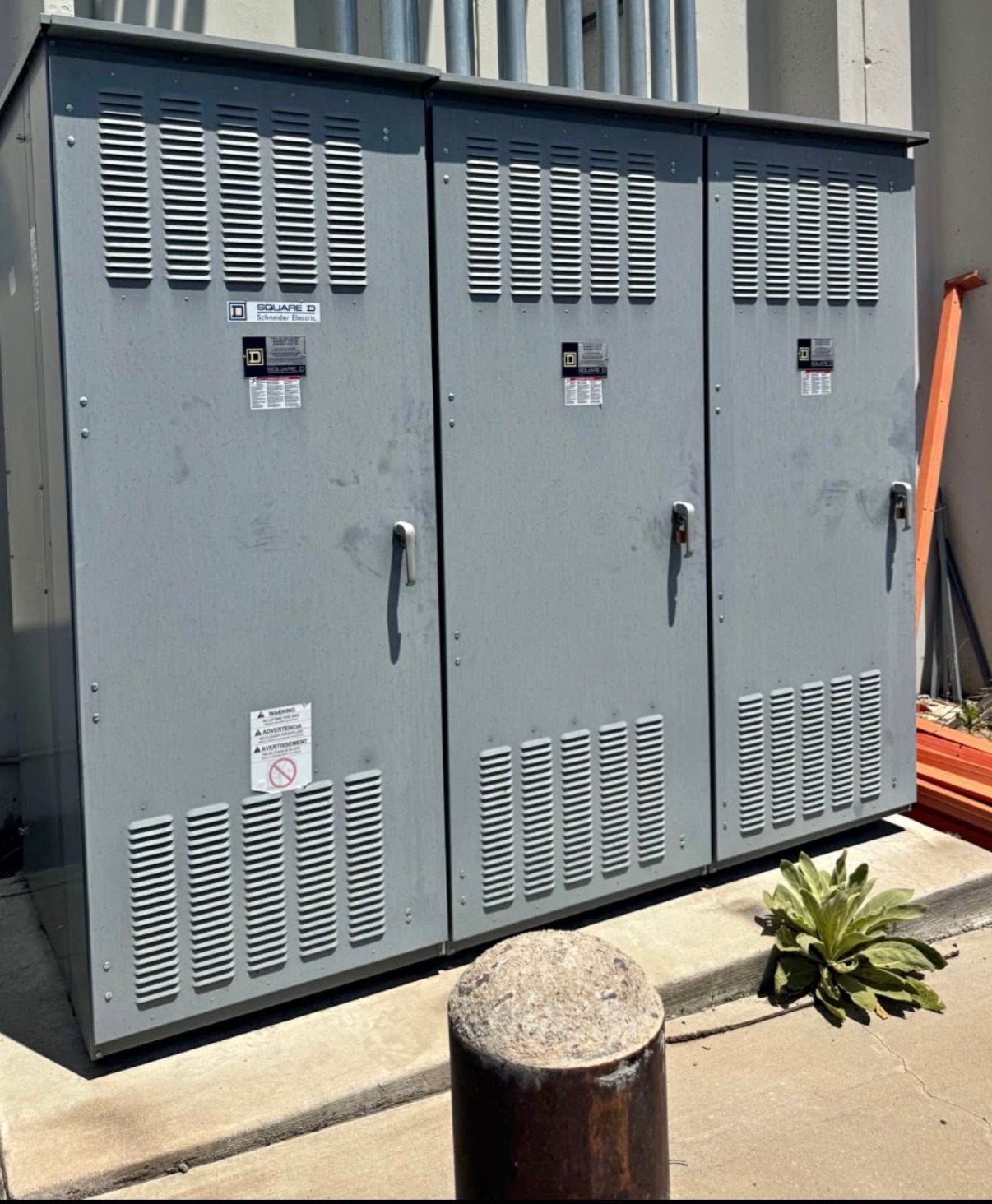
Separate each blower section by function, not appearance
Begin with a section-by-section list based on the plant’s existing drawings, schedules, or equipment records. Note the MCC lineup or section designation, the blower or process tag shown in those records, and any exterior nameplate information that can be read safely. Record the source of each detail: for example, “drawing identifies blower 2” is different from a tag that visibly identifies a section. This distinction helps prevent assumptions from becoming inventory facts.
A hypothetical retrofit might leave two similar-looking buckets, one associated in paperwork with a standby blower and another with a lead blower. List them separately even if the cabinets share a manufacturer or general appearance. Include approximate dimensions only when available from existing documentation or safe exterior observation. Do not open doors, operate controls, or approach energized apparatus to improve the inventory; a buyer can review the records and clarify what remains uncertain.
Document the drive interface without guessing at ratings
For each section, look for records that describe the motor-control arrangement: a variable-frequency drive (VFD), a starter, a drive supplied elsewhere, or a combination of components. Capture the drive manufacturer and model only when shown on paperwork or safely accessible exterior labeling. Note whether the drive appears to be part of the MCC section, a separate cabinet, or a separately listed item. An interface description is useful even when the drive itself is not included.
Keep voltage and amperage as separate fields. A motor or drive current value does not establish the MCC’s voltage rating, and a voltage marking does not identify its ampere rating. Record each value with its label context and source, such as “MCC nameplate” or “motor schedule,” rather than assigning a number from a page title or seller shorthand. If documentation is incomplete, mark the value unknown instead of inferring it.
State plainly whether bypass components are present
The bypass question is central to this inventory. Existing drawings, bills of material, or exterior labels may indicate whether the arrangement includes a bypass starter or other path intended to operate the blower independently of the VFD. Describe what the records say, and distinguish that from what has been visually confirmed. A section described as “bypass” in a project list is not proof that every associated component remains with it.
Use a simple status for each item: documented present, documented absent, unclear, or removed during the retrofit. If known, list related components separately, such as a bypass contactor or starter, while avoiding claims about internal condition. For a hypothetical example, a drawing may show a bypass arrangement while the retrofit inventory notes that a separate drive cabinet was relocated. That combination is worth explaining rather than reducing to “complete bypass MCC.”
Describe condition, configuration, and what is actually included
An inventory should tell a buyer whether the offering is a complete section, a partial section, or a group of components being offered together. Note visible exterior damage, missing doors, removed labels, or known retrofit changes only when those details are available without opening or handling equipment. Identify loose components using existing records and a safe visual description; do not treat an unverified part as belonging to a particular section merely because it is nearby.
Include the lineup arrangement where documentation provides it: section identifiers, adjacent sections, and whether the blower section is being offered alone or with related MCC equipment. Manufacturer and model details help identify equipment; they do not imply a relationship between the manufacturer and the buyer. Do not conduct electrical testing for a sale. The buyer’s stated terms do not require seller testing, and any technical review should be based on available documentation and the specific equipment offered.
Coordinate review and removal before the retrofit area changes
Contact the Illinois buyer with the inventory, available drawings or schedules, exterior photographs taken from a safe location, and the planned disposition of the equipment. Explain whether the sections remain installed, have been disconnected, or are staged, but do not assume all electrical work is complete or that equipment is de-energized. Share site-access rules, scheduling constraints, loading conditions, and any known restrictions relevant to a later review and removal.
The company buys used, surplus, and decommissioned electrical equipment, including MCCs and related equipment, and can consider equipment from treatment-plant projects in Peoria County. Specific items and terms remain subject to review; an inventory is not an automatic acceptance or price commitment. For equipment it agrees to buy, payment is upfront, freight is covered, and the seller is not required to test or move it. The buyer handles disconnects, crane and rigging work, loading, freight, and hauling, with qualified professionals performing electrical work as appropriate.
Common questions
What should I send if the bypass arrangement is unclear?
Send the records you have, identify what they describe, and mark bypass status as unclear. Safely accessible exterior photos may help. Do not open the section or operate equipment to confirm internal components.
Can I list a VFD and MCC section as one item?
You can describe them together if the project records show they belong together, but state whether the drive is integral, separately housed, or not included. Keep each known equipment rating tied to its source.
Do I need to prepare or test sections before discussing a sale?
No seller testing is required. Share available identification and project records, then coordinate access and removal details with the buyer. For a purchase it agrees to make, payment is upfront and freight is covered.